
SYDNEY –
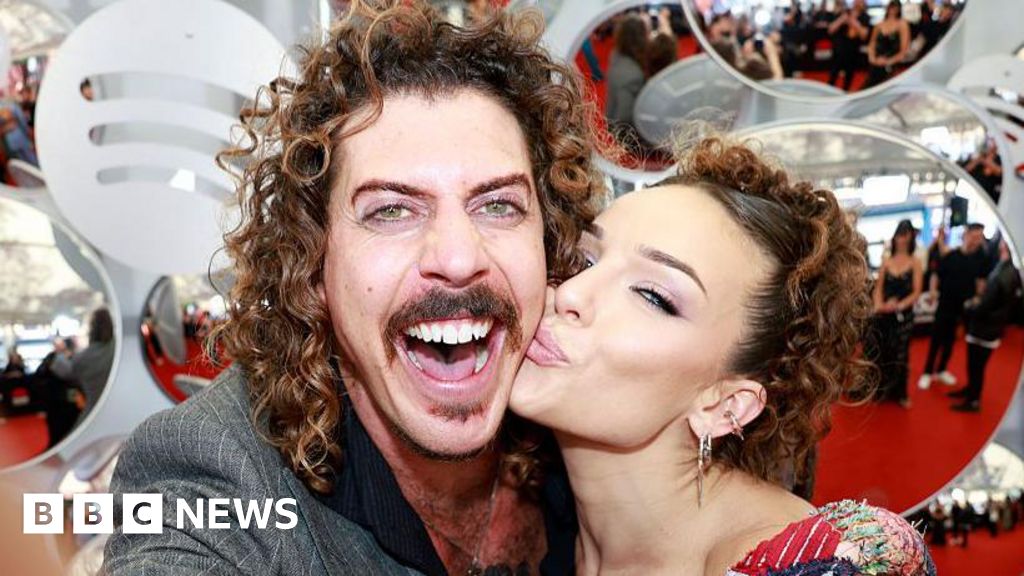
Australian media personality Abbie Chatfield has issued public apologies following the denial of entry into the United States for her partner, musician Adam Hyde.
The incident illustrates the potential for social media content to impact the international mobility of entertainment professionals and their associates, as border security and visa regulations increasingly intersect with individuals’ digital footprints.
Hyde was denied entry to the U.S. and subsequently returned to Australia. The refusal of entry occurred shortly before Chatfield addressed several past social media posts that had resurfaced online, prompting a broader conversation among her followers about what travellers and touring artists can safely say online when crossing borders.
Social Media Content and Border Entry
Chatfield released a statement regarding a previous video containing anti-Trump sentiments, which she suggested may have played a role in the travel complications, though no official link has been confirmed by authorities.
She said the video had come “back to haunt me” and added that she “really regrets it,” acknowledging that comments made in a domestic political context can take on new significance when viewed by foreign officials assessing admissibility.
In a separate apology, Chatfield addressed a resurfaced video concerning Luigi Mangione, describing the content as “distasteful” and saying she understood why viewers had taken offence as the clip re-circulated.
The musician’s denial of entry highlights the discretionary power of border authorities to vet individuals based on perceived associations or public statements made by those in their immediate circle. Under U.S. immigration law, officers at ports of entry have wide latitude to deem a traveller inadmissible and may review publicly available online material as part of routine screening. That discretion sits within the framework of the Immigration and Nationality Act, which governs who can enter, the conditions of entry and when visas can be cancelled or refused at the border.
Adam Hyde is a member of the Australian music industry; however, official statements regarding the specific visa category or the exact regulatory grounds for the denial of entry have not been released by U.S. Customs and Border Protection, which typically does not comment on individual cases. Industry lawyers note that touring artists frequently enter the U.S. on performance-related visas and can face heightened scrutiny over their travel history, online profiles and the stated purpose of their trip.
Hyde has been returned to Australia, and the couple’s experience has fuelled renewed discussion among performers, promoters and migration advisers about the need to factor online content into risk assessments for international tours, alongside more traditional concerns such as documentation, work permits and compliance with local labour and tax rules. For high-profile figures like Chatfield, whose career spans reality television, radio and podcasting, the episode underscores how public commentary can carry unintended consequences well beyond the domestic media environment.
Worth a look
