
ZURICH – The dental implant market is seeing a shift toward osseodensification technology as clinical data suggests a reduction in the need for costly bone grafting procedures and a decrease in overall treatment timelines.
The transition from conventional osteotomy to osseodensification represents a strategic move toward increasing primary implant stability, particularly in patients with low bone density. This technical evolution directly impacts clinical overhead and patient throughput for dental practices by minimizing the secondary surgeries often required to prepare the jawbone for implantation.
The global dental implant market, dominated by major players such as Straumann and Envista, relies heavily on the predictability of “primary stability” – the initial mechanical fit of the implant into the bone. Failure to achieve this stability often necessitates bone augmentation, a process that increases the cost of treatment and extends the time before a final prosthetic can be placed. For payers and health systems under pressure to control procedure-based spending, technologies that reliably raise primary stability without additional grafting are becoming strategically significant.
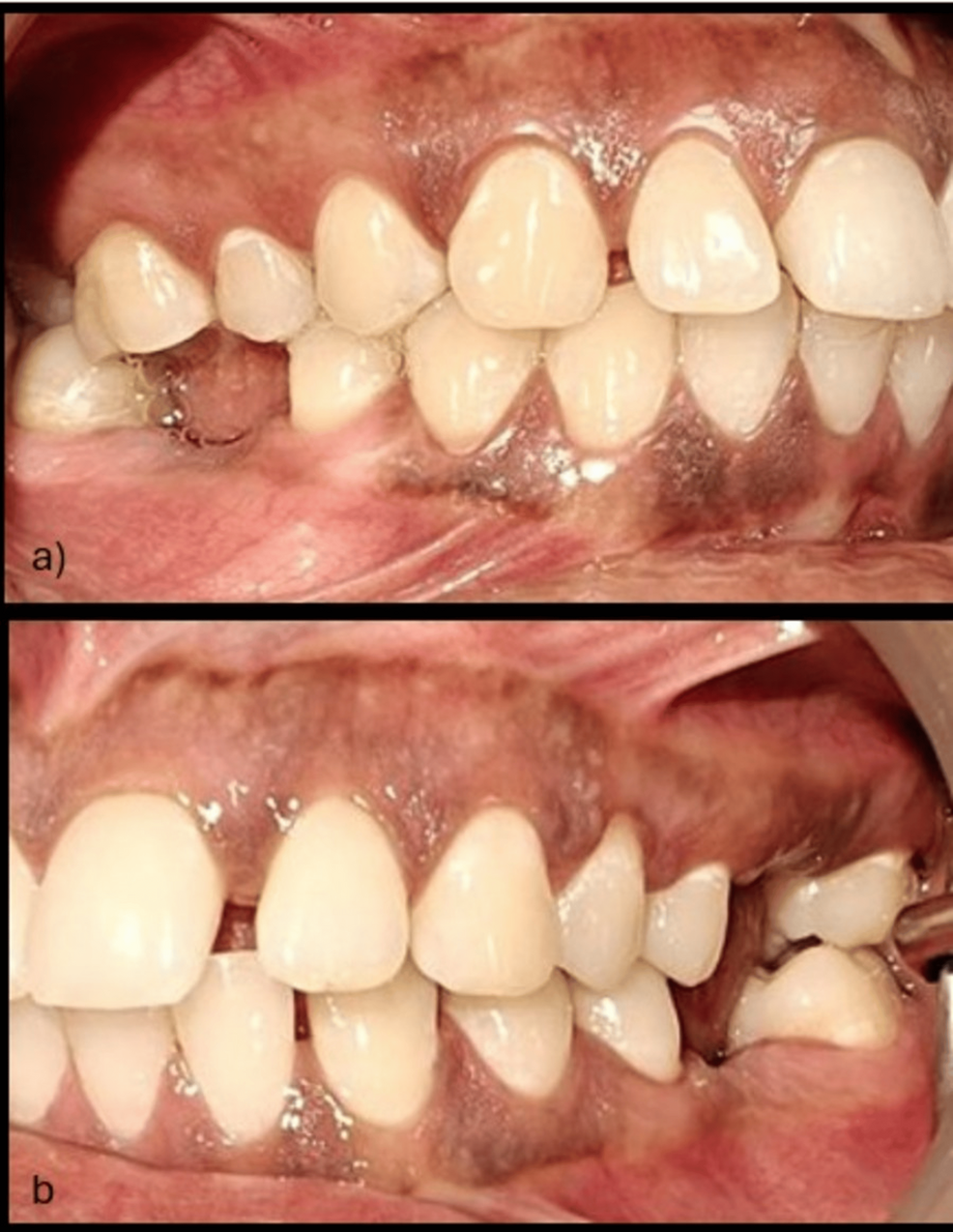
In a recent split-mouth clinical application, a 58-year-old male patient provided a direct comparison between conventional osteotomy and osseodensification across different bone densities. The patient presented with missing teeth #14 and #24, with the right side consisting of Type II bone and the left side consisting of Type IV bone, allowing clinicians to observe performance under both dense and highly trabecular conditions within the same case.
The clinical results focused on the Implant Stability Quotient (ISQ), a non-invasive resonance frequency analysis used by implantologists as a proxy for primary stability:
- Conventional osteotomy: Utilized on the right side (Type II bone).
- Osseodensification: Utilized on the left side (Type IV bone).
- Outcome: Despite being applied in softer Type IV bone, the osseodensification site demonstrated higher ISQ values and a measurable increase in bone density compared to the conventionally prepared site.
The ability to achieve high stability in Type IV bone – the softest and most challenging bone category – is a critical value driver for the industry. Historically, Type IV bone conditions required bone grafts to ensure the implant would not fail, adding significant material costs, longer chair time, and extended healing intervals before loading. In many jurisdictions, that has also meant multiple billing events and added burden on public and private insurers.
“Osseodensification allows for the condensation of bone rather than the removal of it, which increases the bone-to-implant contact and enhances the primary stability of the implant.”
This method of bone condensation changes the economic profile of the procedure. By utilizing specialized drilling protocols that push bone laterally against the walls of the osteotomy rather than extracting it, clinicians can often reduce or avoid the procurement of allografts or xenografts and simplify inventory requirements in the operatory.
The broader medical device sector continues to monitor the U.S. Food and Drug Administration’s medical device framework for new drilling geometries and bioactive materials that support this densification process. Because dental implants and associated instruments are generally regulated as medical devices, shifts in classification, guidance, or post-market surveillance expectations can influence how quickly new osseodensification systems move from pilot adoption to routine use in clinics worldwide.
Market trends analyzed via Statista indicate a rising demand for minimally invasive dental procedures among aging populations and younger, cosmetically driven patient segments. Osseodensification aligns with this trend by reducing surgical trauma, preserving native bone, and potentially shortening the healing phase before a definitive crown or bridge can be placed.
From a corporate strategy perspective, the adoption of these protocols requires investment in specialized drill kits, changes to clinical workflows, and practitioner training. However, the reduction in chair time, fewer multi-stage grafting procedures, and higher likelihood of immediate or early loading offer a clearer path to improved operational margins for high-volume practices and corporate dental chains seeking to standardize care pathways across networks.
For health policymakers and institutional buyers, the technology’s promise lies in its potential to broaden access to implant treatment without a proportional rise in per-case cost. If osseodensification continues to demonstrate stable outcomes in soft bone, hospital groups and dental schools may begin revising clinical guidelines to emphasize bone-preserving preparation techniques over graft-dependent protocols.
The emerging clinical evidence base, while still building, consistently indicates that osseodensification can produce superior primary stability in contrasting ridge conditions, effectively mitigating the risks associated with soft bone density and reducing the likelihood of early implant failure.
The procedure remains subject to standard medical device regulatory oversight and clinical protocol adherence. As regulators, manufacturers, and large provider groups converge on common standards for instrumentation and training, osseodensification is poised to move from specialist technique to mainstream option in the global dental implant market.
Worth a look
