
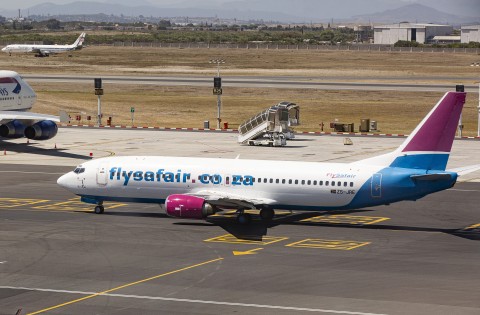
JOHANNESBURG – FlySafair has reduced its fuel surcharge by 40% from the peak recorded in March, resulting in lower ticket prices for passengers.
The adjustment follows a period of acute volatility in jet fuel pricing triggered by the Middle East War, which disrupted global oil supplies and forced rapid price increases across the aviation sector. As a low-cost carrier (LCC), FlySafair was among the first operators to implement price hikes to offset these rising operational costs.
The move to lower surcharges reflects a stabilization in supply conditions and a cooling of energy prices. For airlines operating under the LCC model, fuel typically represents one of the largest variable costs, making the ability to dynamically adjust pricing essential for maintaining margin stability without permanently inflating base fares. The reduction also comes at a time when South African consumers are under pressure from broader cost-of-living increases, placing airline pricing strategies under closer scrutiny from both the public and policymakers.
Fuel Cost Management in South African Aviation
The South African domestic aviation market is characterized by high price sensitivity, with leisure and business travelers often shifting between carriers or alternative modes of transport in response to relatively small fare changes. To manage the volatility of global energy market trends, FlySafair employs a flexible surcharge mechanism rather than integrating fuel fluctuations into the core ticket price, a structure it says allows more transparent adjustments when market conditions improve or deteriorate.
The current pricing structure is governed by the following operational parameters:
- Review Cycle: Weekly assessment of fuel costs.
- Adjustment Metric: Alignment with actual fuel expenditure.
- Price Trigger: Direct correlation to global oil supply stability.
- Current Status: 40% reduction from March peak.
This approach allows the airline to pass savings directly to consumers when market conditions improve, a strategy aligned with the efficiency standards promoted by the International Air Transport Association regarding cost-recovery in volatile environments. It also sits within the broader consumer-protection and competition framework overseen by the South African Civil Aviation Authority, which regulates safety and operational compliance while fare-setting remains largely market-driven.
Volatility and Geopolitical Risk
While current pricing indicates a downward trend, the aviation industry remains exposed to systemic shocks. The initial spike in March demonstrated how quickly regional conflicts can translate into increased costs at the checkout for the end consumer, particularly on short-notice bookings and peak travel periods.
The carrier has cautioned that the stability of current fares is dependent on external factors beyond corporate control, including oil supply disruptions, currency movements and potential new geopolitical flashpoints.
Fuel prices remain vulnerable to global market movements and geopolitical tensions.
The company continues to apply its weekly review process to adjust the surcharge according to actual fuel costs, maintaining a position of readiness for further market shifts. For passengers, the latest cut offers near-term relief on key domestic routes, but FlySafair and the wider industry are signaling that airfare levels will remain closely tied to the next moves in global energy and security dynamics.
Worth a look
