
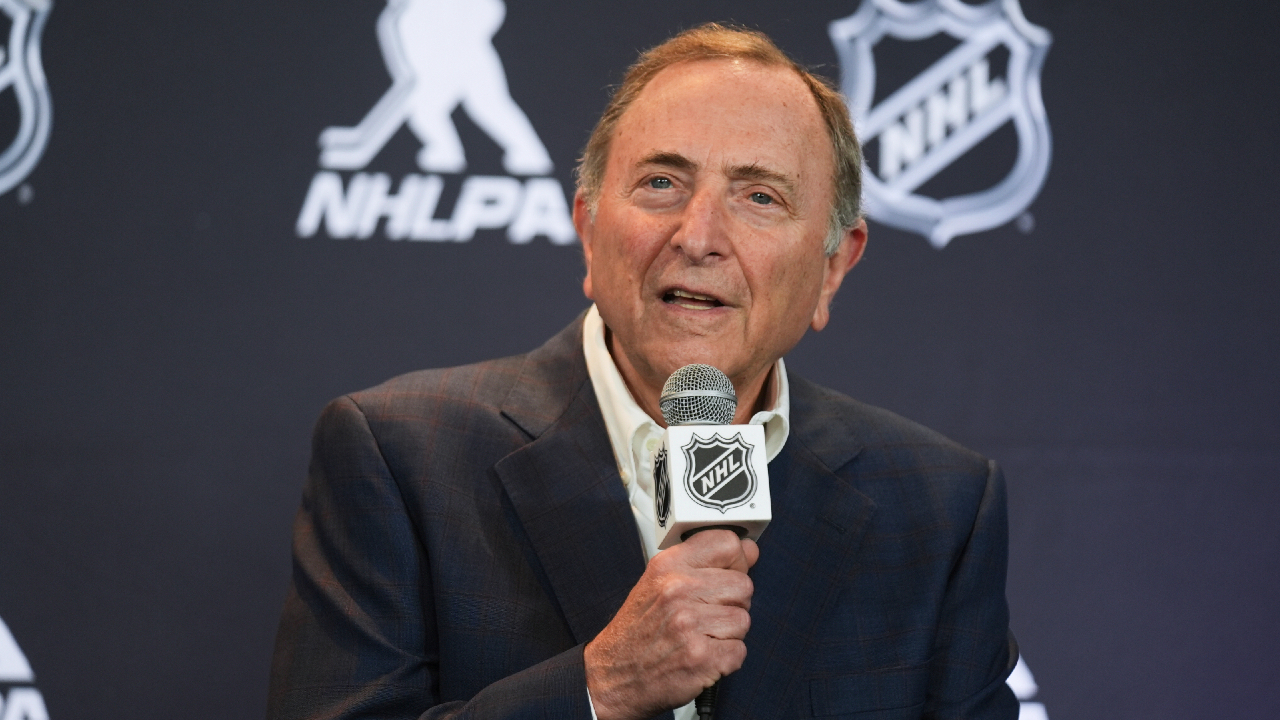
NHL Leadership in Transition: Gary Bettman Reportedly Discusses Succession Planning
As the National Hockey League prepares for its annual Stanley Cup “State of the Union” address this afternoon, the focus has shifted toward the future of the league’s governance. Reports indicate that Commissioner Gary Bettman has entered preliminary discussions regarding a succession plan for his role, a move that touches the core of how the league is governed under its constitution and by‑laws.
Executive Committee Discussions
According to multiple sources, Bettman has begun laying the groundwork for his eventual departure through conversations with members of the NHL Executive Committee, the small group of owners that serves as the league’s inner cabinet on major strategic and governance decisions. While these talks signal a shift from informal musing to structured long-term planning, the specific timeline for any transition remains undetermined and, for now, closely held among club governors.
Bettman, who celebrated his 74th birthday today, is currently approaching his 34th anniversary as commissioner. During that time he has become synonymous with the modern NHL, guiding the league through multiple expansion waves, franchise relocations, work stoppages, and the introduction of the hard salary cap system. Despite the reports of succession talks, he has declined to comment on the matter, maintaining his long-standing practice of keeping internal ownership deliberations private.
The Impact of a Leadership Transition
The prospect of a new commissioner carries significant weight for the league’s commercial, regulatory, and labor stability. Bettman is one of the longest-serving executives in professional sports, having overseen the league’s media-rights boom, international showcases, and a series of collective bargaining agreements with the NHL Players’ Association that define everything from salary structures to player safety protocols.
A managed succession is critical for maintaining continuity in league operations, franchise valuations, and investor confidence. The Executive Committee’s involvement suggests a desire for a structured handover that would allow owners to vet potential candidates, align on strategic priorities-such as expansion, international growth, and gambling partnerships-and avoid the volatility that often accompanies abrupt changes in top-tier sports administration. Any successor will also inherit the league’s role in broader public-policy debates around issues like head injuries and arena development, areas where the commissioner often serves as the NHL’s chief diplomatic and regulatory interlocutor with governments and local authorities.
Uncertainty Over Timeline
Whether this transition occurs in the near term or several years from now remains a point of speculation among team executives and industry analysts. Bettman has previously joked about the permanence of his position and has repeatedly signaled that he remains energized by the job, suggesting a reluctance to exit the role prematurely even as planning accelerates behind the scenes.
Industry attention now turns to this afternoon’s address to see if the commissioner will formally acknowledge these developments or maintain his current stance of silence on the matter. Any public signal-however subtle-about succession planning would be closely parsed by owners, players, sponsors, and broadcasters, all of whom have a stake in how and when the NHL navigates one of the most consequential leadership transitions in its modern history.
Worth a look
