
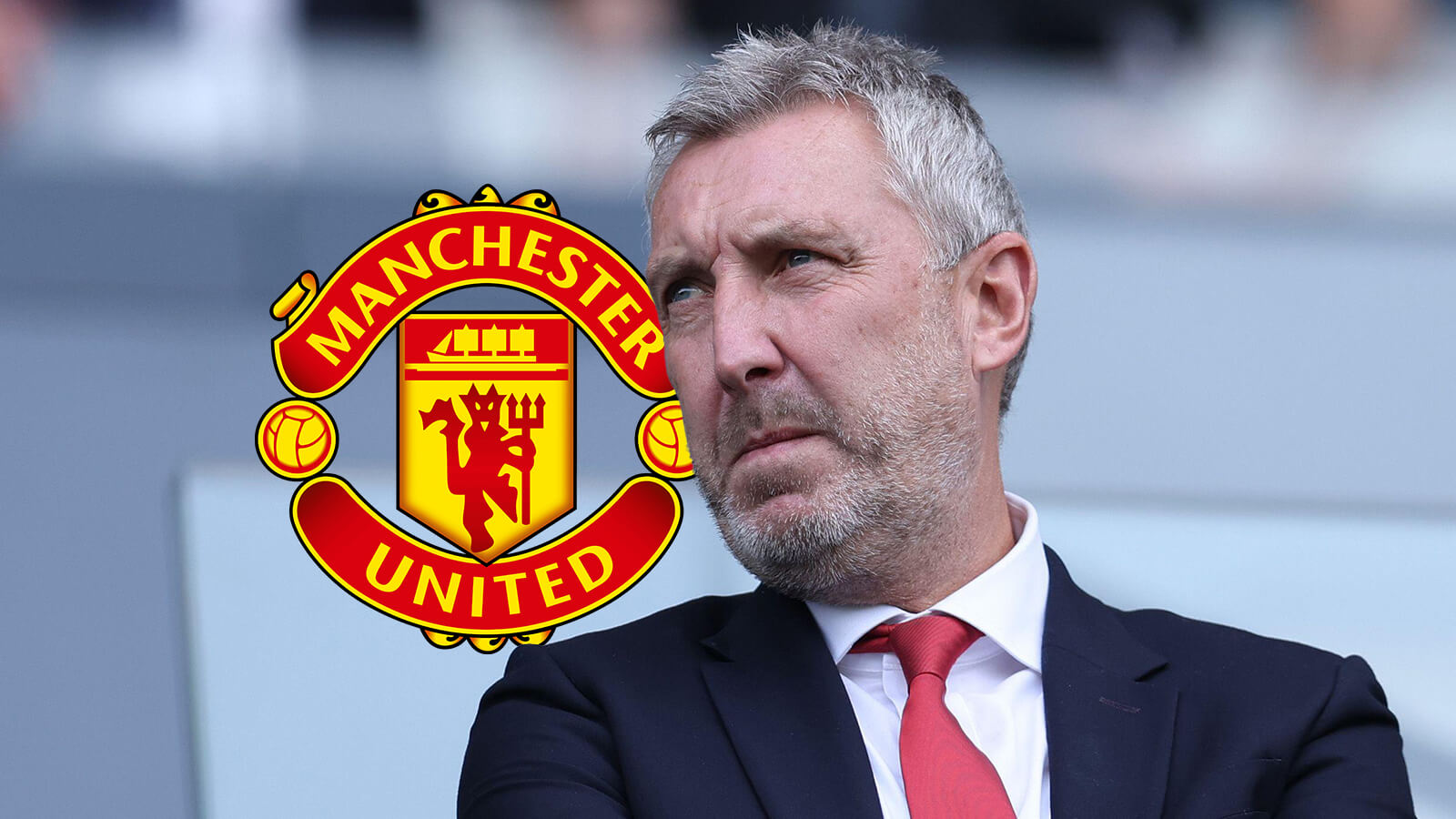
At Old Trafford and beyond, supporters’ frustrations point to leadership, language and legacy
Recent supporter correspondence reflects a familiar Premier League tension: tactical debates quickly giving way to questions about who leads, who decides and why the same patterns seem to repeat. Manchester United sit at the centre of that discussion, with anger directed at decision‑makers and wry asides about managerial candidates, while Arsenal, Liverpool and Tottenham Hotspur are drawn into parallel arguments about style, standards and ownership. In each case, what starts as a row about shape or substitutions soon becomes a referendum on governance: who actually runs the football club, and to what plan.
Titles that tell a story
The semantics of succession matter to supporters because they signal intent. The shift from “caretaker” to “interim” manager is not merely cosmetic; the former suggests stewardship of an institution, the latter a holding pattern for process and due diligence. In English football, temporary appointments typically cover training-ground authority, match‑day selection and short‑term man‑management while the club hierarchy conducts a wider search under the oversight of the Premier League’s own rulebook and the Owners’ and Directors’ Test. That process is designed to separate immediate needs from long‑term planning, but it also exposes the chain of command when results dip or communication falters.
Beyond terminology, some fans pine for the romance of the player‑manager era. It is a reminder that nostalgia travels well, even when modern workloads, sports science, commercial obligations and squad sizes make dual roles impractical at the elite level. The modern head coach is closer to a chief executive of performance than a dressing-room strongman, reliant on analysts, medical staff and recruitment teams to deliver marginal gains.
United’s argument moves upstairs
Among Manchester United supporters, the current flashpoint is not another formation tweak but trust in the football structure. Technical leadership and ownership strategy are under scrutiny, with criticism of the pace and direction of change. The contention from readers is straightforward: when a team’s midfield balance looks wrong across multiple systems, that reflects resource allocation and squad‑building choices more than a whiteboard schematic.
The consequences stretch beyond mood music. Champions League qualification shapes sporting and commercial planning, from recruitment to pre‑season scheduling. Participation brings entry fees, matchday income and market‑pool distributions governed by European competition rules, strengthening the feedback loop between on‑pitch performance and budget setting for the next window. For clubs on the bubble, one spring week can tilt a multi‑year plan and alter how much leverage executives have in negotiations with players, sponsors and even potential investors.
In that context, managerial shortlists become lightning rods. References to Oliver Glasner in fan mail are less about one coach and more about a recurring fear: that a change will address symptoms without fixing structures. Supporters are effectively asking whether there is a clear sporting director model, a joined‑up recruitment department and a defined playing identity that will outlast any one appointment. Cup exits-whenever they arrive-tend to compress patience and magnify those doubts.
Legacy, proximity and the weight of the past
Another United thread centres on the club’s relationship with its own history. A number of supporters are uneasy with the idea that contemporary decision‑making, even at interim level, might be influenced by deference to past leadership figures. Football institutions routinely celebrate icons; the challenge is to separate ceremonial respect from operational dependence.
The best modern models keep a clear line between heritage and hierarchy, allowing present‑day staff to make present‑day decisions while the legend remains just that: a legend. In corporate and public‑sector governance, advisory councils and non‑executive roles are designed to provide counsel without blurring accountability. Fans are effectively demanding a similar discipline at board and football‑operations level: honour the statue outside, but make sure the person signing off on a January loan knows they will own the outcome.
Arsenal’s margins and the broadcast mirror
Arsenal draw a different kind of reaction. Correspondence applauds resilience in navigating awkward cup ties but questions the tone of broadcast coverage and touchline conduct. That spotlight is inevitable for a team operating with title ambitions: every set piece, tactical ploy and stoppage becomes part of the narrative, reflected and sometimes distorted through television and social media.
There is a performance dimension underneath the noise. In domestic knockout competitions governed by The FA, risk management in early rounds can shape a season’s workload and minutes distribution. Rotating heavily to protect league form invites jeopardy; rotating too little stretches legs for the spring. Arsenal’s ability to balance both tasks will influence their run‑in as much as any commentary box adjective, and the choices made in January and February can constrain tactical flexibility when injuries bite in April.
Liverpool and the choreography of change
For Liverpool, reader feedback centres on tempo and transition under a new head coach. The tactical complaint is familiar: when direct outlets are reduced-by selection, opposition approach or injury-possession can drift into a U‑shaped horseshoe, starving central progression. Supporters who point to full‑backs’ positioning, midfield angles and shot quality are highlighting the micro‑adjustments required when a system evolves.
That work often looks slower than it is; the payoff is usually seen weeks, not days, after a change in emphasis. For club executives, the governance test is whether they can insulate a medium‑term football project from short‑term volatility in results and sentiment. The more clearly ownership, sporting director and head coach are aligned on style and recruitment, the easier it becomes to treat early‑phase turbulence as a known cost rather than a trigger for panic.
Tottenham and the ownership question
Tottenham’s mailbag entry is blunt: a plea for a sale and a critique of a decade of near‑misses. Setting the emotion aside, the strategic point is clear. Stability of purpose-more than managerial churn-defines ceiling and floor. Empowering a head coach, aligning recruitment with game model, and insulating performance departments from short‑term noise are competitive advantages, just as policy coherence is for a regulator or central bank.
The costs of misalignment are cumulative: each reset delays cohesion and erodes the marginal gains required to keep pace with rivals who iterate rather than reboot. Supporters’ frustration is less about one bad window than about a pattern in which stadium, branding and commercial decisions appear to move faster than clarity on how the men’s first team intends to compete with the very best.
Cup shocks, trial by shortlist and the economics of expectation
Supporters’ gallows humour about “auditions” after upsets endures because knockout football is unforgiving. A single bad afternoon reframes multi‑month dialogues about suitability and fit. In parallel, league objectives remain binary at the top: qualify for Europe or don’t, contend for a title or don’t. That is why fan focus skews toward executives and frameworks. Coaches come and go; structures, for better or worse, compound over time.
- Short‑term labels-caretaker or interim-set expectations but do not substitute for a coherent sporting directorate with clear reporting lines.
- Cup exits accelerate scrutiny; league positioning determines revenue and recruitment scope in UEFA competitions such as the Champions League, hard‑wiring competitive balance into future seasons.
- Legacy is an asset until it dictates process; then it becomes a constraint on present‑day decision‑makers.
- Broadcast narratives amplify extremes; performance trends live in the middle ground of selection, spacing, conditioning and repetition.
- Ownership alignment remains the decisive competitive edge. Without it, even smart coaching hires and expensive signings struggle to move the needle.
Across these clubs, the themes rhyme: clarity over titles and roles, autonomy to make present‑tense decisions, and patience for tactical evolution. The table will capture outcomes; the process choices made now-about who leads, how they are chosen and what constraints they operate under-will determine how often those outcomes repeat, and how resilient each institution proves when the next crisis arrives.
Worth a look
