
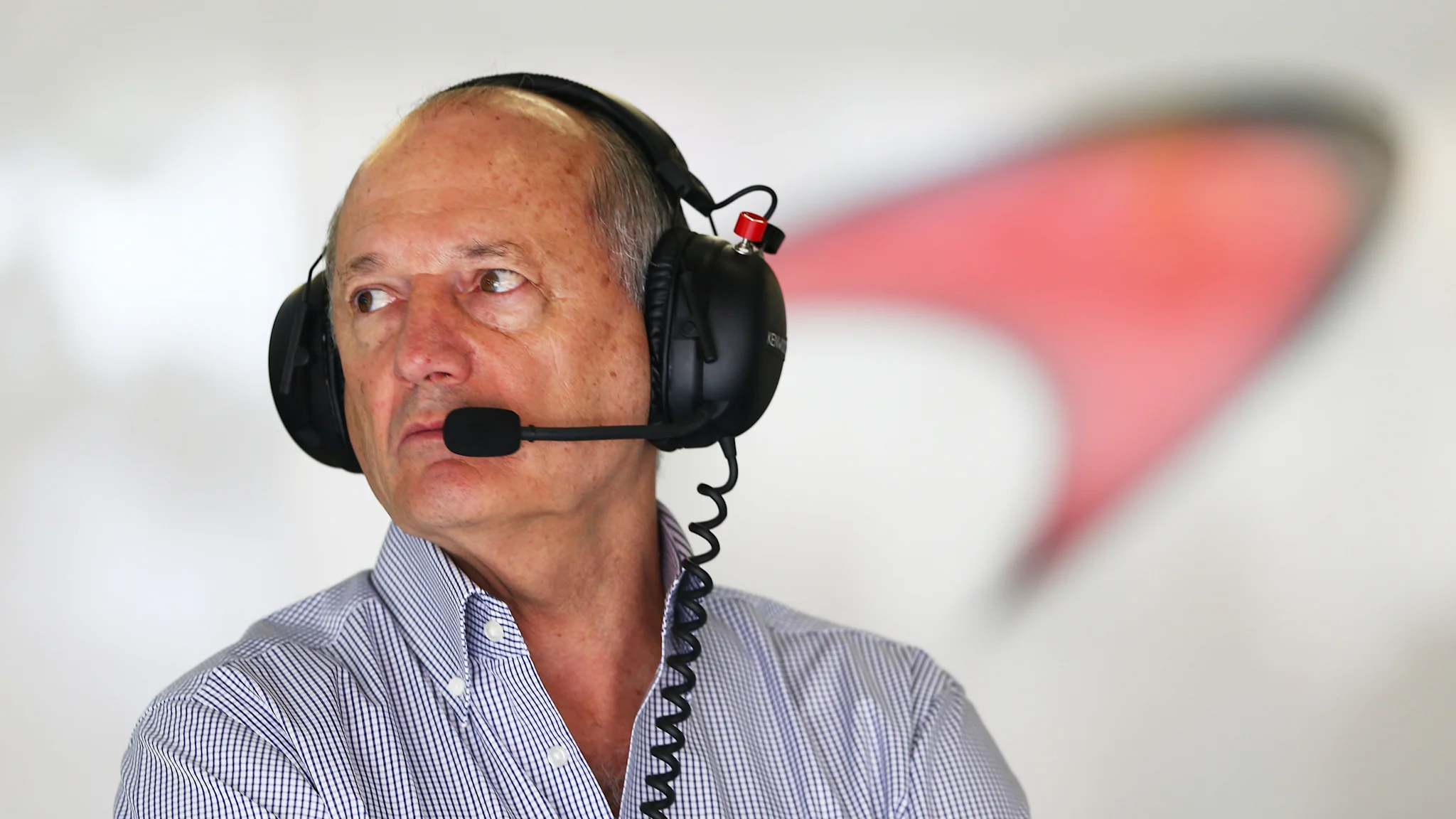
Ron Dennis, Toto Wolff and the Changing Shape of F1 Power
I thought of Ron Dennis recently when, in Mexico, Toto Wolff equalled his tally of 17 World Championships, and this weekend marks the tenth anniversary of Ron’s final exit from F1.
I miss him. Some people may think that a little odd. Ron is someone others like to refer to as “marmite”, meaning you either love or hate them. That always seems a bit premature to me, and I often find that, when you get to know such people, such a description simply has no relevance.
Two Architects of the Modern Super-Team
The comparison between Ron Dennis and Toto Wolff is not just about a number on a page. Both helped to build Formula 1’s dominant “super-team” models in different eras, working within the regulatory and commercial framework set by the Fédération Internationale de l’Automobile, which governs the sport’s technical and sporting rules.
Dennis turned McLaren into a benchmark operation through an uncompromising focus on engineering detail, structured processes and a corporate-style culture that was unusual in F1 when he rose to prominence. Wolff, at Mercedes, has applied a more visibly collaborative leadership style, but with a similar obsession for systems, marginal gains and institutional depth that can withstand personnel changes and rule resets.
In both cases, the outcome has been sustained title-winning capacity across multiple regulation cycles, driver pairings and competitive landscapes. That is the deeper significance of Wolff equalling Dennis’s tally: it underlines how Formula 1, for all its superstar drivers, is now shaped decisively by the long-term decisions of team principals and owners.
Dominance in an Era of Cost Caps and Governance Scrutiny
When Dennis was building his great McLaren outfits, Formula 1 was financially looser, with fewer constraints on spending and staffing. Today’s leading teams operate under cost caps and a more formalised governance structure, with the FIA and the commercial rights holder using financial, technical and sporting regulations to maintain competitive balance and long-term sustainability.
That context makes Wolff’s accumulation of championships structurally different to Dennis’s. It is not simply that the competition is tougher or that the calendar is more demanding; it is that modern dominance must be achieved while:
- Managing within cost cap limitations and associated auditing procedures
- Adapting rapidly to major technical regulation changes aimed at improving racing
- Retaining top engineering and driving talent when there is less financial flexibility
Dennis operated in an age when resource escalation was a primary competitive lever. Wolff operates in an age where governance, compliance and efficiency have become as critical as pure investment. Yet the thread that links them is the ability to build structures robust enough to thrive through repeated regulatory and competitive resets.
The Legacy of Ron Dennis, Ten Years On
The tenth anniversary of Dennis’s final exit from Formula 1 invites a reassessment of his influence beyond the simple metric of titles. Under his leadership, McLaren helped professionalise the sport’s approach to:
- Integrated design and manufacturing facilities that became a template for modern F1 factories
- Data-driven decision-making in race strategy and car development
- Long-term technical partnerships with engine manufacturers and sponsors
Many of the structures now considered standard in front-running teams-matrix management, advanced simulation, driver development pathways-were either pioneered or heavily refined during Dennis’s tenure. Even as the competitive landscape has shifted, the basic blueprint of the contemporary F1 super-team still bears his imprint.
Personality, Perception and the ‘Marmite’ Label
The “marmite” tag that often followed Dennis reflects a broader truth about leadership in elite sport. The individuals who shape eras are rarely universally popular. They make tough decisions on driver line-ups, technical directions and internal culture that can leave strong impressions-positive and negative-on those who work with them or compete against them.
Seen from a distance, that can harden into caricature. Up close, as anyone who spends time within a team structure comes to realise, personalities are more complex. The same intensity that can appear abrasive is often the quality that sustains standards over long seasons and through periods of pressure. In environments where a single missed development step can derail a title run, that relentlessness is often a prerequisite for success.
Why Their Records Matter to Today’s Grid
The tally of championships attached to Dennis and Wolff is not just a historical footnote. It shapes how current and future teams think about what it takes to contend consistently within the structures of modern Formula 1.
For drivers, aligning with a team principal who has demonstrated the ability to deliver titles across multiple seasons can be career-defining. For manufacturers and commercial partners, it informs long-range investment decisions, particularly in an era where sustainability, cost control and global expansion are all high on the agenda.
In practical terms, the leadership legacy of figures like Dennis and Wolff influences how teams:
- Plan multi-year car development strategies under stable and changing regulations
- Balance short-term race performance with long-term competitive windows
- Navigate the political and regulatory dimensions of the sport
As the championship continues to evolve, and as new regulations and entries reshape the grid, those institutional lessons-crafted first under Dennis and refined under Wolff-will continue to define who can realistically aspire to win titles, and who remains on the outside looking in.
Reflecting on Dennis a decade after his departure is therefore more than nostalgia. It is a reminder that behind every era of on-track success lies a particular model of leadership, adapted to the demands of the regulatory and commercial environment of the time. In Wolff’s equalising of that 17-title benchmark, we see not just a personal milestone, but a line connecting two generations of Formula 1 power brokers-and a measure of how the sport itself has changed around them.
Related reading
