
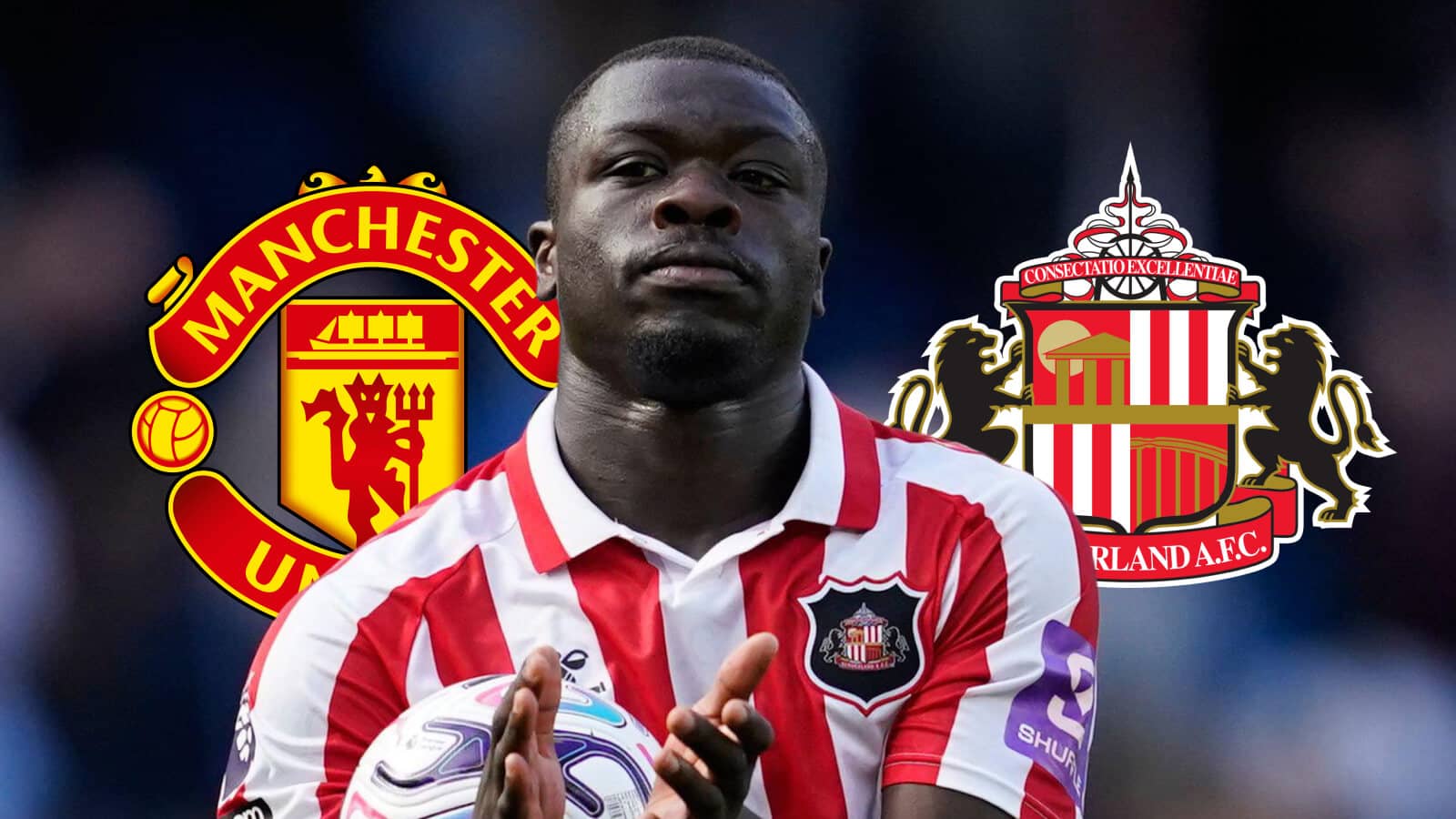
Manchester United interest tests Sunderland’s resolve over £50m Brian Brobbey
Manchester United want to bring Brian Brobbey to Old Trafford in the January transfer window, with the club’s long-standing admiration for the striker now running into Sunderland’s firm refusal to sell mid-season.
United’s interest in Brobbey has been tracked since at least June 23, when it was reported that the club were keen on structuring a deal for the Netherlands international for the summer of 2026 rather than the middle of a campaign. That timeframe reflected Sunderland’s stance at the time and has remained a decisive factor in current discussions around the January window.
Brobbey’s form for Sunderland and the Netherlands
Brobbey, now 24, has established himself as a central figure at Sunderland. The centre-forward scored eight goals and provided one assist in 33 matches in all competitions for the Black Cats last season, numbers that underline his importance to a team still consolidating its status in the English top flight.
His club performances were reinforced on the international stage. At the 2026 World Cup finals in the summer, Brobbey impressed for the Netherlands, scoring three goals in four matches. That combination of domestic and international form has enhanced his reputation across Europe and helps explain why several leading clubs are tracking his situation.
During the summer of 2026, Manchester United were among a group of high-profile clubs to show interest in Brobbey. Tottenham Hotspur, Aston Villa and Chelsea were also keen, underlining how widely he is viewed as a forward with the physical profile and age to develop further at elite level.
Sunderland’s contract position and transfer stance
Sunderland resisted all overtures in that 2026 window and opted against selling their leading striker. Brobbey is under contract at the Stadium of Light until the summer of 2029, giving the club a strong negotiating position and significant protection over his long-term future.
The Black Cats’ valuation of Brobbey reflects that leverage and his on-pitch impact. He is rated at around £50 million, a figure that would represent a major outgoing for any Premier League club and a record sale for Sunderland if it were ever realised.
Recent performances have only strengthened that valuation. Brobbey scored a hat-trick against Manchester City at the Etihad Stadium in the Premier League this month, an individual display that resonated beyond Sunderland’s own support and reinforced the sense that he can shape major fixtures at the highest domestic level.
Internally, Sunderland continue to view the 24-year-old as a key part of their long-term plans. The club have shown no intention of selling him and have been clear that mid-season disruption to their forward line would run counter to their sporting objectives, particularly in a league where stability in central attacking positions is widely considered critical to avoiding relegation battles and sustaining upward momentum.
United’s broader search for a centre-forward
Manchester United’s renewed interest in adding a striker in the middle of the season reflects a wider strategic effort to deepen their options in the number nine role. Club sources have indicated a desire to reinforce the forward line during the campaign rather than waiting until the end of the season.
Alongside the continued monitoring of Brobbey, United are also looking at alternative targets. Serhou Guirassy of Borussia Dortmund is on the club’s radar, providing a parallel line of enquiry as they assess different profiles and potential price points in the market.
Within United’s ownership structure, there is recognition of the financial and sporting implications of any major January deal. The club’s co-owners, INEOS, are not described as “seriously preparing a move” for Brobbey at this stage, an indication that while he remains admired, the combination of Sunderland’s resistance, the player’s contract length and the quoted fee makes a winter transfer complex.
Strategic implications for both clubs
For Manchester United, the situation encapsulates a familiar tension within the transfer market: the need to strengthen during a decisive phase of the season while balancing long-term financial planning and the constraints of squad registration rules under the Premier League handbook. January business is typically more expensive and more complicated, particularly when dealing with clubs who are heavily reliant on a single goalscorer.
United’s pursuit of a striker such as Brobbey or Guirassy is shaped by competitive pressure at the top end of the table, where marginal gains in finishing efficiency can influence qualification for European competitions, domestic cup runs and the broader commercial appeal that comes with on-field success under the same regulatory framework.
For Sunderland, holding firm on Brobbey is equally strategic. Retaining a forward who has scored eight times in all competitions last season and produced a standout Premier League hat-trick this month is central to protecting the club’s sporting trajectory. Selling a primary striker mid-season would force a rapid and potentially costly search for a replacement, with limited time to integrate any new arrival into the squad.
The club’s stance also sends a message to the market that long-term contracts will be defended robustly and that they aim to operate from a position of strength when larger clubs test their resolve. In a domestic landscape where transfer income can significantly reshape recruitment budgets for seasons to come, timing and control over major exits are critical institutional decisions.
Brobbey’s career platform and international standing
For Brobbey himself, the current dynamic underlines how quickly a strong season can alter a player’s trajectory. His World Cup output of three goals in four matches for the Netherlands showcased his ability to perform in tournament conditions, while his performances for Sunderland have provided a regular platform in one of the most closely followed leagues worldwide.
Staying at Sunderland into the latter stages of his contract would offer continuity, guaranteed minutes and a central role in the team’s attacking structure, all essential for maintaining a place in the national-team picture. A move to a club like Manchester United, by contrast, would represent a step into a more congested squad environment, with heightened competition for starting roles but also the prospect of regular involvement in European competition and the commercial exposure that follows.
At this stage, the facts are clear: Manchester United retain an interest in Brian Brobbey and are exploring options to reinforce their forward line in January; Sunderland value their striker at around £50m, hold him on a contract until 2029 and have shown no intention of sanctioning a mid-season sale. Until one of those positions shifts, the Dutch international remains central to Sunderland’s project and part of a wider conversation about how ambitious clubs outside the traditional elite hold on to their best players in a highly competitive transfer market.
Worth a look
