
Modular Rule Architecture and the Digital Shift in Tabletop Gaming
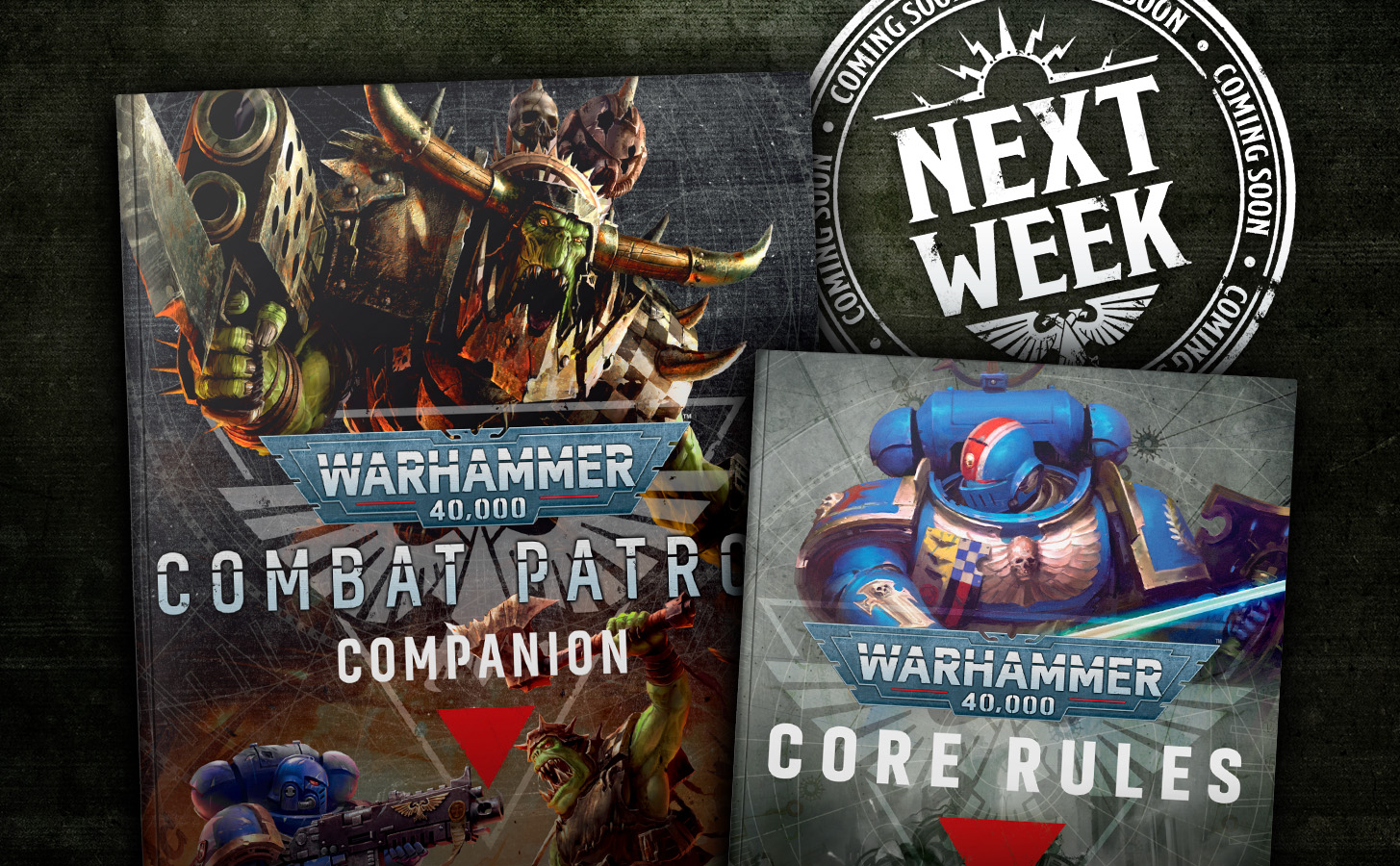
The transition to a new edition of Warhammer 40k marks a strategic pivot in how complex gaming systems are distributed and maintained. By introducing a slimmed-down core rulebook supplemented by card packs and digital Event Companions, the ecosystem is moving away from static, monolithic printed volumes toward a modular architecture. This approach mirrors the “live service” model prevalent in software development, where a base platform is supported by frequent, iterative updates to maintain balance and integrate new content without requiring a full system overhaul.
For a franchise that anchors a global tournament circuit, this is more than a layout choice; it is an operational model for how rules, data and player expectations are governed across regions. Such modularity makes the rules environment more auditable for organizers, who must demonstrate that players at large events are competing under the same, clearly defined conditions.
This modularity also reduces the friction associated with rule updates. In previous iterations, significant changes often required the purchase of new physical supplements or exhaustive errata lists. The integration of digital downloads for specific event formats allows for rapid deployment of rules, ensuring that competitive environments remain synchronized across global markets and that organizers can evidence compliance with their own event policies when disputes arise.
Digital Distribution and Content Delivery Systems
The deployment of Event Companions via direct download signifies a deeper reliance on digital infrastructure to manage the hobby’s competitive landscape. By decoupling specific match-play rules from the core physical book, the system achieves higher agility in balancing game mechanics and enables tournament organizers, retailers, and publishers to operate on a shared, current rule set.
This shift addresses several logistical and operational challenges:
- Version Control: Digital delivery eliminates much of the risk of players using outdated printed rules, supporting data integrity across tournament play and giving organizers a single, referenceable rules corpus for adjudication.
- Distribution Speed: Digital assets can be pushed to the global user base almost instantaneously, bypassing the delays inherent in physical supply chains and allowing balance updates to land between competitive seasons rather than between print runs.
- Resource Efficiency: Slimmer physical books reduce printing overhead and shipping weights, optimizing the logistics of physical retail and aligning with corporate sustainability targets that increasingly feature in public reporting.
The model is broadly consistent with how other digital content ecosystems manage change-incremental updates under a stable, published framework. For publishers operating across multiple jurisdictions, that framework is also shaped by underlying legal obligations on how digital services are presented, updated and communicated to consumers, including emerging requirements on transparency and fairness set out in instruments such as the European Union’s Digital Services Act.
System Components and Access Points
The new edition reorganizes the entry point for users, separating fundamental mechanics from specialized competitive data. The following table outlines the primary components of this updated delivery model:
| Component | Format | Primary Function |
|---|---|---|
| Core Rulebook | Slim Physical Print | Fundamental system mechanics and baseline rules, forming the stable reference layer for all formats. |
| Card Packs | Physical Reference | Quick-access data for streamlined tabletop execution, minimizing page-flipping and rules ambiguity during timed play. |
| Event Companions | Digital Download | Format-specific rules for organized competitive play, updated on a live cycle to reflect balance changes and formal clarifications. |
For institutions that host large-scale events-conventions, trade fairs or officially sanctioned championships-this separation of layers clarifies who is responsible for which part of the rules stack: the publisher for the core mechanics, the event organizer for the application of event packs, and local venues for delivering the physical experience.
Impact on the Analog-to-Digital User Experience
The introduction of these tools changes the cognitive load for the end user during gameplay. The use of card packs serves as a physical “cache,” allowing players to retrieve specific data points without navigating a large manual. Simultaneously, the reliance on digital downloads for event-specific rules integrates mobile device usage directly into the gaming experience, effectively making smartphones and tablets part of the core kit for serious competitors.
From a market perspective, this transition aligns with broader trends in standardized digital documentation and the move toward hybrid physical-digital products. By leveraging digital companions, the system can implement algorithmic balancing more effectively, as updates can be issued as “patches” to the digital rules rather than awaiting the next print cycle. This ensures that the competitive meta-game remains fluid and responsive to player data, while giving publishers a traceable change history that can be communicated to regulators or consumer bodies if questions arise over fairness or transparency in organized play.
The shift also highlights a growing trend in web-based accessibility standards for gaming, where PDF and digital assets must be optimized for a variety of hardware to ensure a seamless transition from the screen to the tabletop. As more organized play migrates to hybrid models-pairings apps on phones, results dashboards in browsers, and rules in downloadable companions-publishers are increasingly expected to design within recognized accessibility and usability benchmarks, such as those articulated by the Web Content Accessibility Guidelines. For a community that now spans schools, clubs, retail chains and major convention organizers, these design decisions are no longer cosmetic; they set the baseline for how inclusive, governable and sustainable the tabletop ecosystem can be in a digital-first era.
Keep reading
