
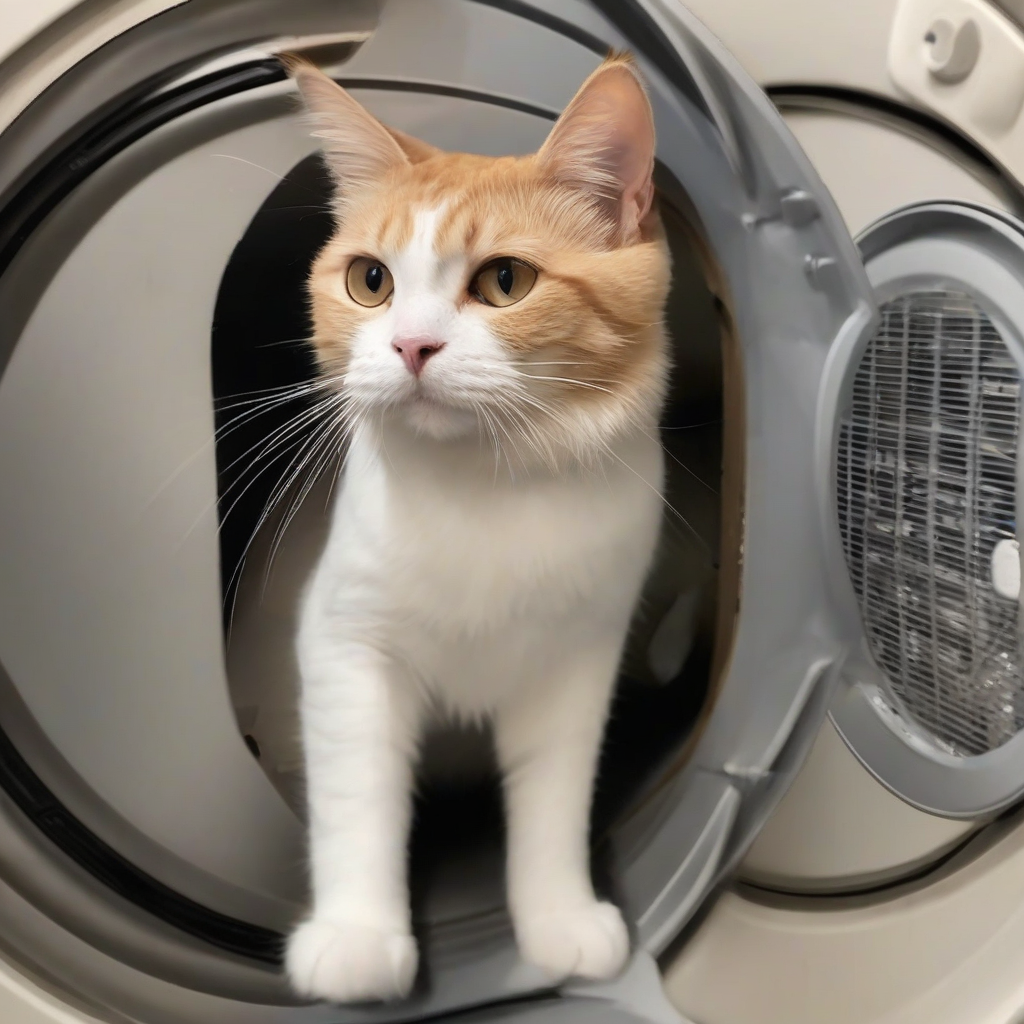
AUSTRALIA – An Australian pet cat has survived a four-hour ordeal after becoming trapped inside a household clothes dryer.
The incident underscores the potential risks associated with household appliances and the critical importance of rapid discovery in preventing fatal heat-related injuries in pets.
Minam, the feline, was discovered by his owner, Syma, who returned home to find the animal missing. After searching the residence and calling out his name, Syma heard a meow emanating from the appliance.
Upon opening the machine, Syma found the cat standing on a doona.
“I opened the door and he was just standing there on the doona. He looked normal at first, but then when I picked him up, he had some drool on the side of his mouth and he started panting,” Syma said.
Veterinary Assessment and Injuries
Minam was rushed to a veterinary clinic for emergency treatment after exhibiting signs of acute distress. Veterinarians treated the case as a potential heat stress and crush-injury incident, a known but underreported risk for companion animals in domestic settings.
Syma noted that while the dryer was warm to the touch, she did not believe the machine had been running for the entire duration of the cat’s confinement.
The veterinary examination revealed several serious injuries resulting from the incident:
- A bruised and swollen tongue
- Damage to the eyes
In felines, panting and excessive drooling are often indicators of severe stress or hyperthermia, as cats do not typically pant to regulate temperature in the same manner as dogs. Vets warned that without prompt intervention, such symptoms can quickly escalate into organ failure or respiratory collapse.
Household Safety and Regulatory Context
Animal welfare advocates say the case highlights the need for pet-safe household practices and clearer guidance to owners about the dangers posed by confined, unventilated spaces such as dryers, washing machines and parked cars. While Australia’s national animal welfare framework focuses largely on deliberate cruelty and neglect, experts argue that preventable household hazards can also lead to serious harm if owners are not adequately informed.
Consumer safety regulators have previously cautioned that enclosed whitegoods can become lethal environments for children and pets, especially in warmer months. Simple measures – such as keeping appliance doors closed when not in use, visually checking drums before operating machines, and supervising inquisitive animals in laundry areas – are recommended as low-cost, high-impact steps to reduce risk.
Recovery and Current Status
Following medical intervention, the cat has since made a full recovery. Minam required monitoring for delayed complications, including corneal damage and oral trauma, but was ultimately discharged with follow-up care instructions.
Syma reported that the animal’s behavior has returned to normal, noting that he is now “completely demanding cuddles and pats and food all the time.”
“He’s completely fine. You’d never think that he was in the dryer at all,” Syma said. She added that the family now performs a “head count” of pets before starting any appliance and has shared the story with friends and neighbors as a cautionary tale.
Minam remains under the care of his owner, and veterinarians say his survival offers a rare positive outcome in an incident that could easily have been fatal – and a reminder for households to treat everyday appliances as potential hazards for the animals that live alongside them.