NLCS pressure shifts to Los Angeles as Dodgers weigh bold Ohtani call
Brewers seize control of series momentum
The Dodgers head back to Los Angeles with their hopes of a three-peat in serious jeopardy. The Brewers took Game 2 by a 7-4 margin to hold serve at home, putting them two games away from their first pennant in 44 years. They will have an opportunity to take a commanding lead when the National League Championship Series (NLCS) moves to Dodger Stadium on Wednesday.
In the best-of-seven format used in Major League Baseball’s postseason under the framework set out by Major League Baseball, falling behind 2-0 on the road leaves the reigning champions with minimal margin for error. Los Angeles must now win four of the next five games to return to the World Series, while Milwaukee needs only to split the remaining contests to advance.
Ohtani’s diminished impact at heart of Dodgers’ October slump
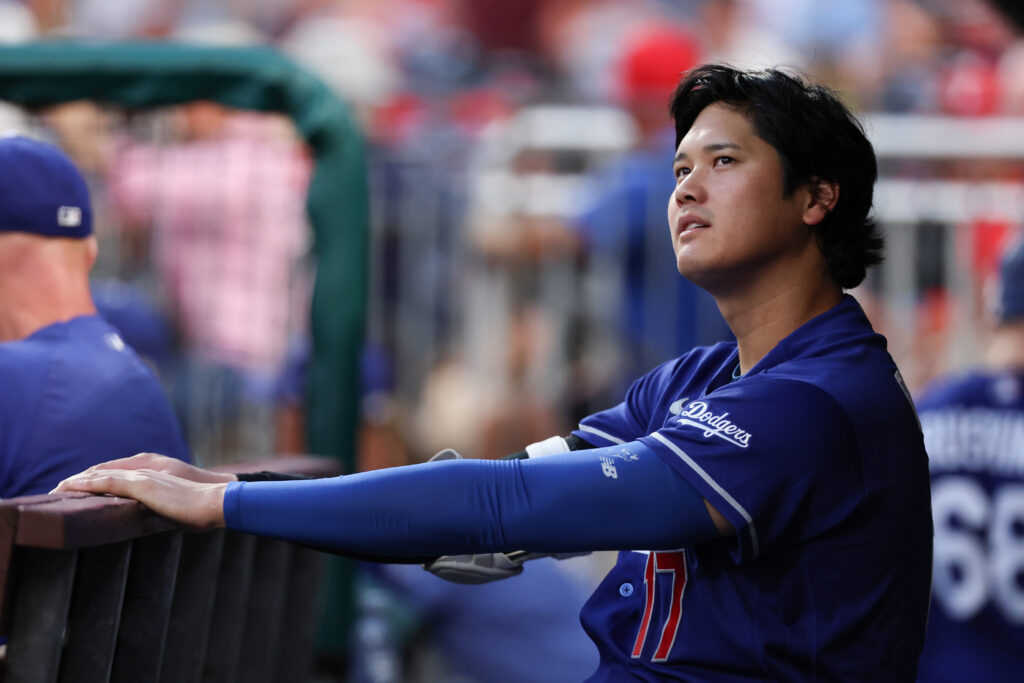
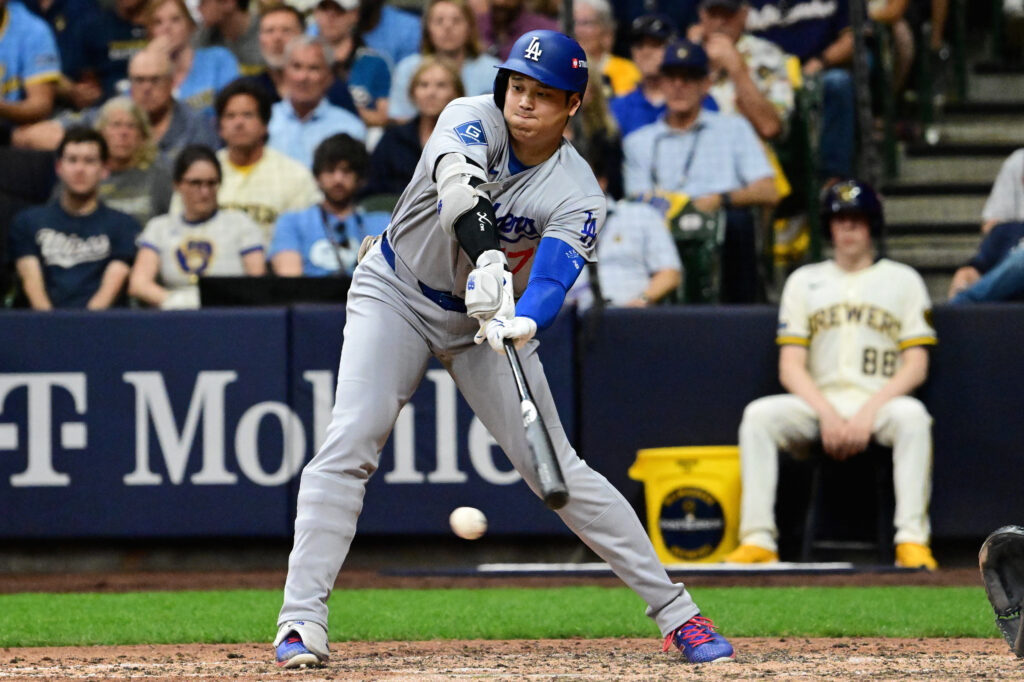
The Dodger offense has not found its rhythm in October, and much of the focus has fallen on the diminished form of their four-time MVP. Shohei Ohtani has just three hits, all singles, in 20 at-bats. He went 0-for-4 with a pair of strikeouts in Game 2.
Ohtani did not pitch after early June because of a left knee injury and has been dealing with a right biceps issue for the last few weeks. The Dodgers placed him on the 15-day injured list in mid-September, and it has been evident for some time that he is not close to full strength.
The sustained drop in his power underscores how much physical limitation has reshaped his impact. Over the final stretch of the regular season, Ohtani managed only one extra-base hit-a double-in his last five games. It has been almost two months since his last home run, when he took Ryan Feltner deep at Coors Field on August 18. He did not homer in his final 18 games of the regular season, only the second time in his MLB career (September 2022 being the other) that he has gone that long without one.
For an offense built around his ability to change a game with one swing, that prolonged power outage has altered how opposing pitchers can approach the Dodgers’ lineup and has forced manager Dave Roberts to reconsider long-established roles at the top of the order.
Roberts faces defining lineup decision for Game 3
Roberts has already moved Ohtani out of the top two lineup spots, dropping him to fourth or fifth over the last few games in an attempt to reduce pressure while still keeping his bat central to the order. Now, with the series tilting towards Milwaukee, the decision point is sharper.
The Dodgers are no longer committing to having Ohtani in the lineup at all for what is, to this point, their most important game of the year. Roberts has said he plans to speak with Ohtani during Tuesday’s travel day before deciding whether to sit him for Game 3.
For a club chasing a third straight championship, benching a marquee player in the league’s showcase month would be a significant competitive and symbolic step. It would acknowledge both his health limitations and the urgency of maximizing every plate appearance in a series where each game now carries elimination implications down the line.
De Paula on standby as Dodgers consider youth over star power
If the Dodgers remove Ohtani from the starting lineup, it would very likely open the door for the first career playoff start for 21-year-old Josue De Paula.
Los Angeles has carried the top prospect as a bench bat since calling him up in September. De Paula has responded with composure in limited opportunities, working two walks in three postseason plate appearances.
Those plate appearances have come in high-leverage situations:
- He drew a crucial walk against Didier Fuentes to help the Dodgers build a decisive lead in Game 4 of their Division Series.
- He extended Game 1 of the NLCS by working a two-out walk against Trevor Megill in the ninth inning, before Mookie Betts flew out to end a 2-1 defeat.
De Paula is technically an outfielder, but the Dodgers have been reluctant to give him defensive assignments in October. When Ohtani was on the injured list, De Paula handled a two-week audition at designated hitter and performed well in that role. At Double-A this year, he produced a 27-homer season with a .303/.401/.547 slash line, then moved up to the top minor league level, reinforcing his status as a long-term core piece.
Turning to De Paula now would underscore the Dodgers’ willingness to prioritize current form and matchup-specific value over reputation. It would also accelerate his exposure to the pressures of postseason baseball, potentially shaping his place in the club’s medium-term plans.
Brewers’ rotation plans underline opportunity to close out at home
On the mound, Milwaukee has already confirmed left-hander Robert Gasser as its Game 3 starter. The Dodgers are expected to counter with Blake Snell, setting up a left-on-left battle that will test how each lineup handles unfamiliar angles in a pivotal swing game.
The Brewers are also looking one step ahead. Manager Pat Murphy has indicated that Dustin May, who threw an inning of relief behind Logan Henderson in Game 2, is likely to return as the Game 4 starter on Thursday.
For the Dodgers, the Snell-May alignment represents a bid to stabilize the series at home, preserve bullpen depth and force the matchup back to Milwaukee under more balanced conditions. For the Brewers, getting quality length from Gasser in Game 3 could position their own relievers to be aggressive in managing Game 4, knowing that only two more wins are required to secure a long-awaited pennant under the current postseason structure.
High stakes at Dodger Stadium as series narrative tightens
As the NLCS shifts west, the strategic threads around Ohtani’s role, De Paula’s readiness and the handling of both pitching staffs converge into a defining stretch for both organizations.
For Milwaukee, the next two games offer a rare chance to move within touching distance of the World Series and validate a roster built to withstand a multi-round postseason run.
For Los Angeles, the same window represents a test of depth, adaptability and willingness to make difficult decisions around one of the sport’s most prominent figures at a time when the margin for error has almost disappeared.