
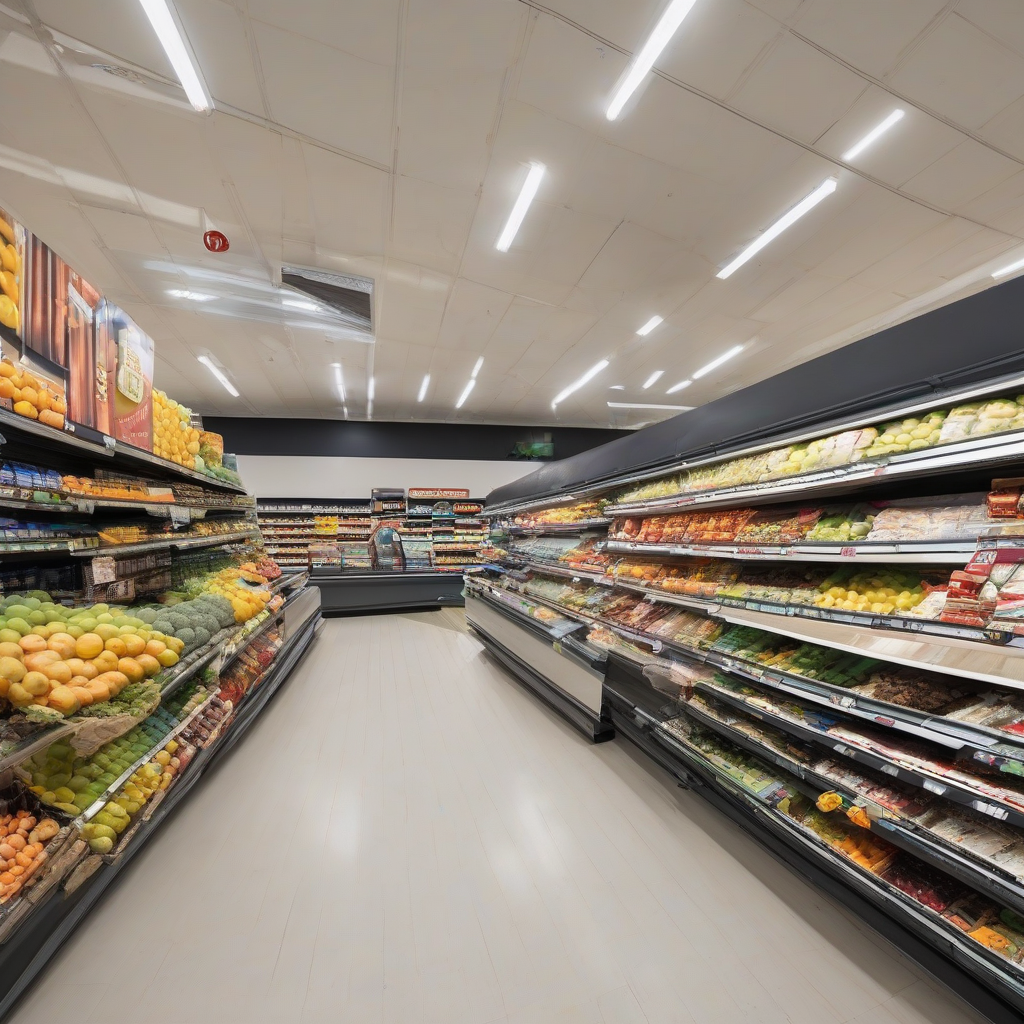
URANA – Residents of Urana, New South Wales, have seen the return of their town’s only supermarket, ending a four-year period of food insecurity following a fire that destroyed the previous store.
The opening of the new grocery business provides essential infrastructure to a community of 1,300 people in the Riverina region, who had previously endured extreme travel times and increased cost-of-living pressures to secure basic food supplies.
The town had functioned as a food desert since April 2022, when the local IGA supermarket burnt down. For 1,553 days, residents were forced to rely on a local chemist and cafe for limited supplies or travel outside the town limits for full groceries.
The Impact of a Four-Year Food Desert
The absence of a local store created significant logistical and financial burdens for the population, particularly for those with limited mobility or low incomes, turning routine grocery shopping into a weekly exercise in triage.
Residents reported varying travel distances to access food:
- Lockhart: Approximately 30 minutes to the nearest IGA.
- Corowa: Approximately 60 minutes.
- Wagga Wagga and Albury: Up to 90 minutes each way.
Resident Fiona Edwards noted that record fuel prices made these trips unsustainable for some. “People can’t afford it if they’re on the dole or on a pension. They just can’t go,” she said.
The lack of local access also affected those relying on public transport. Ms. Edwards stated, “Half the time the bus driver won’t let them put their groceries on the bus.”
The scarcity of fresh produce led to forced changes in diet and storage habits. Ms. Edwards described a reliance on long-life milk and freezing bread to make supplies last, adding, “If I got fresh milk, it went out of date.”
Ralph Emery, who tracked the days since the fire, said the impact on his personal life was substantial. “One day a week I couldn’t work, I’d have to go shopping,” he said. “We’ve purchased a lot of frozen meals and changed our diet because there’s not much home cooking.”
For local health workers and councils, the town’s experience has underscored how quickly an isolated community can slip into formal “food desert” status once a single critical piece of infrastructure disappears, despite broader national strategies on food security and regional equity.
Economic Stagnation, Governance Gaps and Real Estate Decline
The lack of a supermarket had broader implications for the town’s economic viability and its ability to retain population. Patrick and Natasha Bourke, who have refitted their agricultural business to establish the new store, identified the supermarket as a cornerstone of the local economy.
Mr. Bourke, who served as the town’s mayor when the previous supermarket was destroyed, argued that the service is a necessity for a functioning township. “When you have a hospital, doctors and chemist, you have to have a supermarket,” he said. “It’s part of the merry-go-round that creates the local economy.”
The absence of a grocery store also impacted the local property market. Mr. Bourke stated that some real estate transactions were withdrawn because potential buyers were deterred by the lack of local food access. “Some sales have fallen by the wayside because there’s no supermarket and that opportunity to have food locally,” he said.
The supermarket’s closure also exposed the limits of ad hoc community workarounds in the absence of a formal safety net. While state and federal programs aim to bolster regional resilience under frameworks such as the Australian Government’s Disaster Ready Fund legislation, residents say Urana’s experience shows how essential services can still fall through the gaps between local, state and Commonwealth responsibilities.
Regional Ironies and the Urban-Rural Divide
The situation in Urana highlighted a paradox for the region. Despite being situated in the Riverina-known as Australia’s food bowl-and being a prominent wheat-growing area, residents could not buy bread locally.
Wheat farmer Sam Mallon described the irony of the situation, noting that residents had to rely on bread deliveries to the local cafe only three times a week. “It’s a bit of an issue. We’ve got plenty of grain around but no products to buy,” he said.
For some, the lack of corporate investment in the town emphasized a perceived divide between metropolitan and regional areas. Catherine Kaye, a resident of three years, said, “It does make you feel like the country is forgotten. We supply food for the rest of the country, but no-one wants to supply food to us.”
Ms. Kaye expressed a preference for the locally owned venture over a corporate chain, stating, “I’m certainly willing to pay a local a little bit more money than some multi-billion-dollar corporation that’s going to price-gouge me every week.”
Her comments echo broader concerns raised in regional policy debates about how national grocery chains, fuel costs and freight networks shape the lived reality of food prices and availability far from capital cities, even in areas that underpin national exports. For local leaders, Urana has become an example in discussions about whether more formal service guarantees or incentives are needed to ensure basic retail infrastructure in small towns.
Strategic Expansion, Regulation and Delivery Services
The new supermarket is designed to serve more than just the immediate population of Urana. Ms. Bourke confirmed the business will provide delivery services to surrounding towns, employing a full-time driver to facilitate the operation.
“With harvest and things like that they find it hard to leave town, so it’s important to offer that service,” she said.
As a regional food retailer, the store must meet national health and safety standards, including food safety requirements enforced under the Australia New Zealand Food Standards Code, adding regulatory complexity but also giving residents confidence that fresh produce and chilled goods can be safely stocked closer to home.
The store opened its doors at 8 a.m. on a Monday, with residents lining up to be the first to shop. Mr. Emery described the return of the service as “magical,” stating, “This town would have been dead.”
Local officials and business owners say the reopening is more than a commercial milestone: it is a test case for how small communities can rebuild essential services after disaster and a reminder that, in towns like Urana, a single supermarket can determine whether residents stay, invest and raise families-or quietly leave.
The business now operates as a permanent grocery provider for the town and its neighboring communities.