INEOS axes Lausanne-Sport coach as pressure mounts on Carrick at Manchester United
Lausanne-Sport act after dismal start
Lausanne-Sport confirmed the exit of 44-year-old tactician Elsner on Tuesday after a dismal start left them rooted to the bottom of the Swiss Super League table.
Appointed on June 1, the coach oversaw a difficult opening phase in which Lausanne suffered eight defeats in their first 12 league fixtures, alongside two domestic cup ties. The decision brings an early end to a tenure that had been framed as part of a broader INEOS-backed project to consolidate the club’s position in Switzerland’s top flight.
Elsner’s dismissal comes shortly after Ratcliffe moved to streamline his football portfolio by placing both Lausanne and French club Nice up for sale. That strategic shift effectively reduces the number of clubs under direct INEOS management, sharpening the focus on performance metrics at each remaining asset and reinforcing the sense that short-term results now carry increased weight for coaches operating within the group.
Club statement stresses professionalism but cites results
Announcing the managerial change via an official club release, Lausanne-Sport stated: “After extensive discussions regarding the current sporting situation, FC Lausanne-Sport and Luka Elsner have mutually agreed to end their collaboration.
“Having taken over as Lausanne’s manager on June 1st, Luka Elsner led the first team in 12 Brack Super League matches and two rounds of the Swiss Cup. FC Lausanne-Sport wishes to emphasise the professionalism and commitment that Luka Elsner has demonstrated since his arrival.
“He dedicated himself to the club’s project with high standards, expertise, and a constant desire to develop his team. His methodological approach and tools also contributed to the development of the coaching staff.
“These contributions have enriched the club, which will continue to build upon these achievements. Given that results remain crucial in professional football, the current sporting dynamics have led all parties to agree that ending their collaboration is now the best decision for FC Lausanne-Sport.”
The carefully worded statement underlines a common tension in modern club ownership structures: an appreciation for long-term development methods set against the immediate demands of league performance. With Lausanne bottom of the national table, the sporting risk of relegation is clear, even though the final standings are determined over a full campaign governed by the Swiss Football League’s competition rules.
INEOS ownership strategy under renewed scrutiny
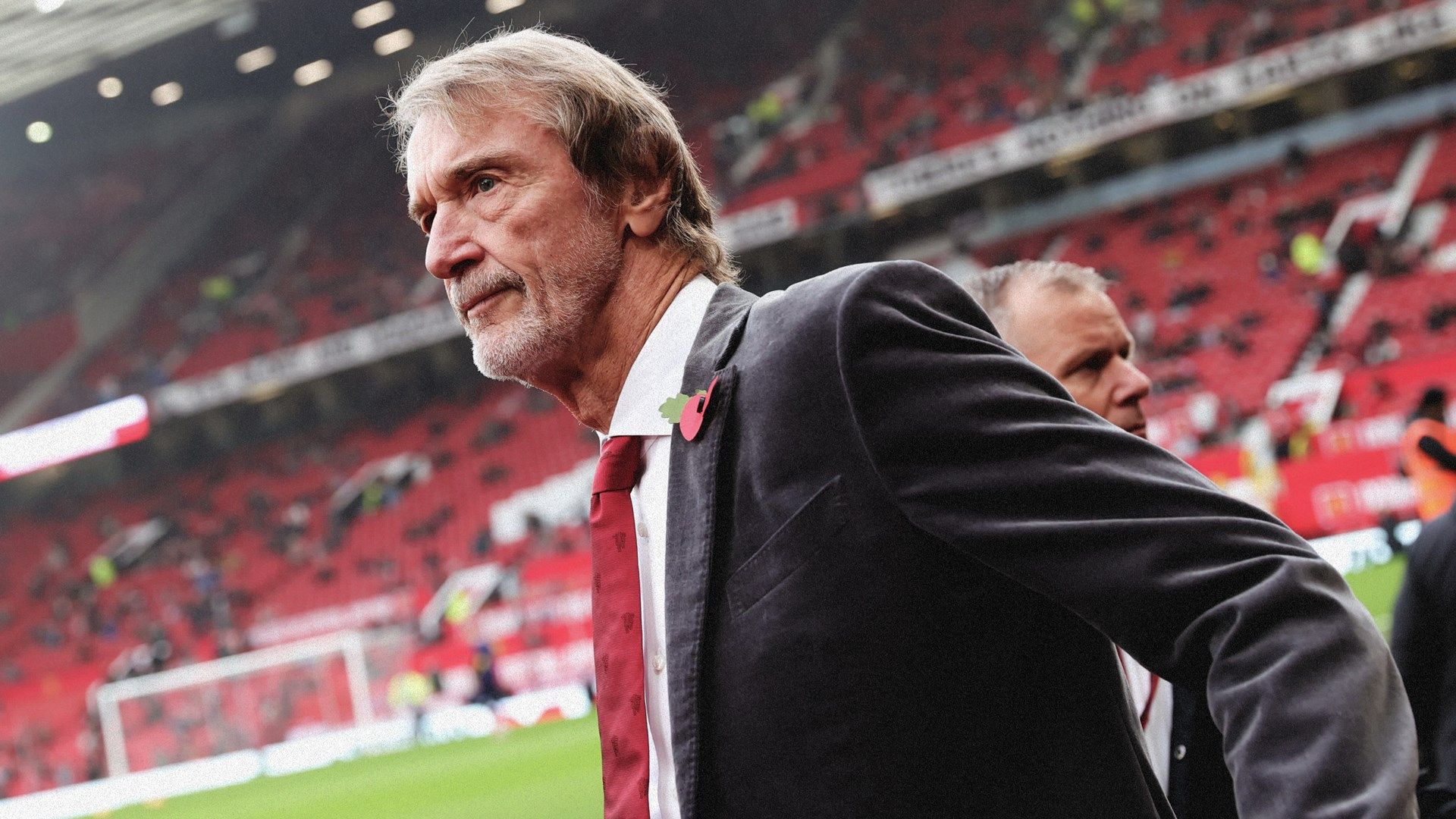
The decision in Switzerland inevitably feeds into broader scrutiny of INEOS’s approach to football, where the group has embraced a multi-club model spanning different European leagues. By moving to sell Lausanne and Nice while maintaining a minority stake at Manchester United, Ratcliffe has signalled a rebalancing of priorities towards a smaller number of high-profile assets.
Within that context, Elsner’s exit will be read by many inside the game as a reminder that managers working under corporate ownership face particularly sharp performance thresholds. Coaching projects are often judged not only on points and league position, but also on their alignment with a wider commercial and sporting strategy set at group level.
For Lausanne, the immediate implications are clear. A new coach will inherit:
- a squad that has struggled for consistency in the opening months of the Swiss Super League season
- a league position that leaves little margin for error in the battle to avoid the relegation places
- an ownership environment in transition, with the club listed for sale and long-term planning therefore more difficult to secure
Those conditions typically shape recruitment, contract negotiations and the ability to commit to multi-year rebuilding projects, with coaching staff working under heightened short-term pressure.
Carrick’s position at Manchester United faces intensifying debate
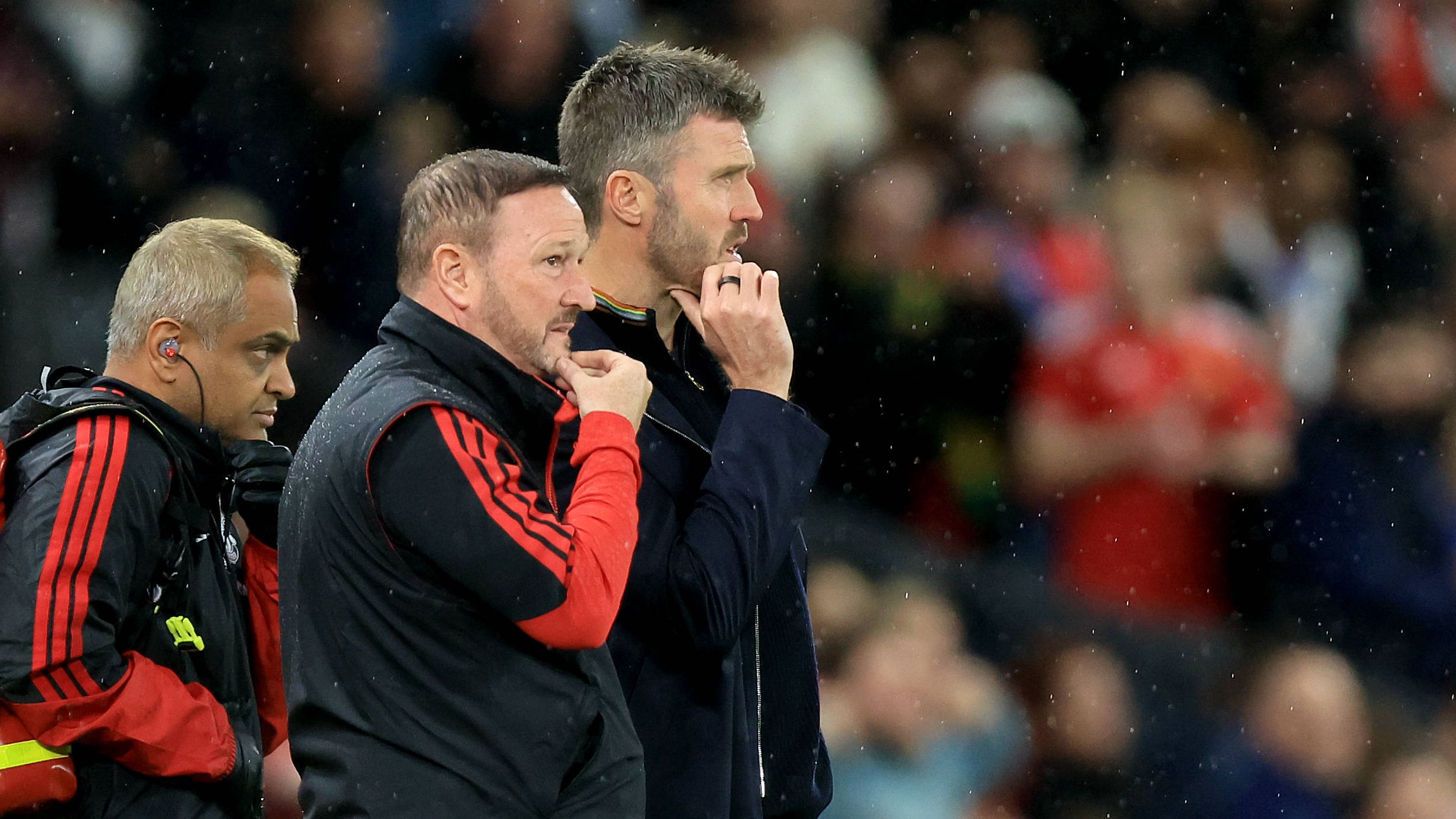
With INEOS scaling back their multi-club operations elsewhere in Europe, the British billionaire’s primary footballing focus remains firmly on Manchester United, where Carrick’s position is under threat following persistent inconsistency that has left the team languishing in 17th place in the Premier League.
That standing, deep in the bottom half of England’s top division, is significant in sporting terms. A club of United’s stature operating so close to the relegation zone raises immediate questions about:
- future qualification for European competitions
- the attractiveness of the project to transfer targets
- the level of patience ownership and supporters are willing to extend to the current coaching staff
In an era when managerial tenures at elite clubs are often short, any prolonged spell in the lower reaches of the table can rapidly become incompatible with stated ambitions to compete consistently at the top end of domestic and European football.
Old Trafford protests sharpen focus on ownership
However, supporters are also directing fierce anger at Ratcliffe and the Glazer family as the board weigh up a potential dugout change. During Tuesday night’s Champions League home fixture against Roma, fans in the Stretford End halted play in the 21st minute by throwing green and gold balloons onto the turf while chanting against the owners. At that stage, the hosts were already trailing 2-0 and were jeered off at half-time.
The protest, symbolically timed and visually prominent, underlined the way dissatisfaction at Old Trafford now extends beyond short-term performances and into deeper concerns about club direction, governance structures and long-term competitiveness at both domestic and European level.
For decision-makers, that backdrop makes any call on Carrick more complex. Replacing the head coach might address immediate results, but it would not in itself resolve the wider questions being raised by supporters around investment, strategy and accountability under the current ownership model.
European fightback offers respite but not resolution
Despite the toxic atmosphere during the opening 45 minutes, United rallied after the restart to secure a 3-2 victory over Roma courtesy of a Bruno Fernandes penalty and a brace from Matheus Cunha. The comeback transformed the mood inside Old Trafford on the night and showcased the squad’s attacking potential when chasing a game.
From a competition standpoint, claiming all three points reduces the risk of the Red Devils finishing inside the bottom 12 elimination spots of the Champions League league phase. Under the revised format, clubs’ progress is determined by their position in a single-table ranking, with the lowest-placed teams exiting the tournament after the league phase, so each victory can significantly alter the probability of advancing to the knockout rounds.
Yet while that European response eased immediate concerns of an early exit, it did little to change the domestic picture. Carrick remains under pressure to engineer a rapid upturn in the Premier League, where form has lagged behind expectations. The contrast between European resilience and league inconsistency continues to fuel debate over whether the current coaching set-up is capable of delivering the sustained performances required across multiple fronts.
Shared message for managers under INEOS: results decide futures
Set against the backdrop of Elsner’s departure in Lausanne, the situation at Manchester United reinforces a common theme running through INEOS’s football operations: performance is judged in hard, competitive terms.
For Elsner, a slow start at the foot of the Swiss Super League table brought a swift end to his time in charge, despite the club publicly highlighting his professionalism and methodological contribution. For Carrick, an eye-catching Champions League comeback has bought some breathing space in Europe but has not insulated him from questions over a Premier League campaign that currently falls well short of expectations.
As INEOS narrows its portfolio, focusing more of its attention and resources on a reduced number of clubs, the margin for error for managers inside that structure appears to be shrinking. Lausanne’s decision and the growing debate around Old Trafford together illustrate how quickly circumstances can change when results dip in high-profile, high-stakes environments.