WASHINGTON – The United States and Iran have signaled that an agreement to end their current state of war is imminent, with a senior U.S. official confirming that both nations have agreed on a text for an initial deal expected to be signed in the coming days.
The proposed agreement, known as the Islamabad memorandum, seeks to resolve immediate military hostilities and restore commercial maritime stability. While diplomatic momentum is high, discrepancies remain regarding the exact timeline for the formal signing.
A western source indicated the deal could be signed as early as Sunday by U.S. Vice President JD Vance and Iranian Parliament Speaker Mohammad Baqer Qalibaf, with Geneva cited as the most probable venue. However, Iran’s Foreign Ministry spokesperson, Esmaeil Baghaei, stated that a Sunday signing will not occur.
Baghaei noted that while signing in the coming days remains possible, he urged caution regarding specific dates, citing “hesitation of the other side.”
Contrasting this caution, Pakistani Prime Minister Shehbaz Sharif announced Saturday that a resolution is closer than “ever before” and expected to be finalized within 24 hours. Sharif confirmed that Pakistan is preparing for the electronic signing of the agreement, which is to be followed by technical-level talks next week.
Terms of the Islamabad Memorandum
The memorandum of understanding focuses primarily on the immediate cessation of naval hostilities and the restoration of trade routes in the Gulf, a region that underpins the global energy market and where freedom of navigation is governed in part by the United Nations Convention on the Law of the Sea. According to sources from all sides of the negotiations, the primary terms include:
- The reopening of the Strait of Hormuz to commercial and state shipping under agreed security protocols.
- The lifting of the U.S. naval blockade on Iranian ports, alongside a phased drawdown of certain maritime interdiction operations.
- The deferment of negotiations regarding Iran’s nuclear program-the stated rationale for the start of the war by President Donald Trump-until after the initial deal is implemented and verified.
Reports from western, Pakistani, and Iranian sources suggest the draft terms largely favor Tehran, particularly by front‑loading sanctions relief on shipping and insurance while postponing tougher questions on nuclear oversight and ballistic missiles. President Trump has dismissed these accounts as inaccurate and insisted that any final accord will preserve U.S. leverage.
Iranian Foreign Minister Abbas Araqchi stated on state television Friday that the tentative agreement demonstrates Iran has emerged from the conflict in a position of strength.
“Iran is the winner of the war with the US,” Araqchi said.
Araqchi further asserted that Iran, in coordination with Oman, would maintain control over traffic through the Strait of Hormuz, a waterway that handled one-fifth of the global oil and gas supply prior to the conflict. “Our sword will always hang over the Strait of Hormuz,” he added, framing the memorandum less as a concession and more as formal recognition of Iran’s de facto reach in the Gulf.
Military Escalation and Maritime Tensions
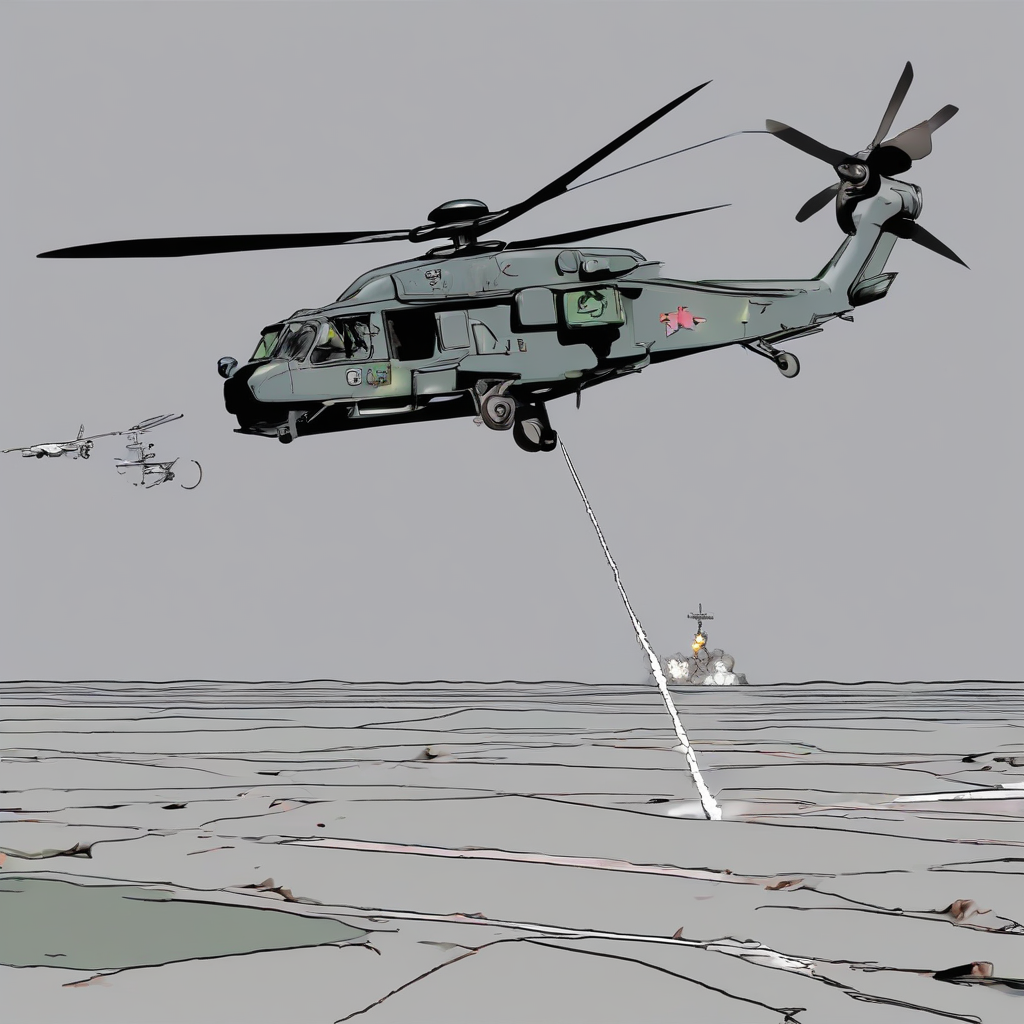
The diplomatic progress follows a week of sharp military escalation in the Gulf, characterized by exchanges of fire between Israel and Iran, U.S. strikes on Iranian targets, and subsequent retaliatory attacks on U.S. bases. The flurry of incidents has underscored how quickly miscalculation at sea or in regional proxy theatres could derail a fragile agreement.
Hours after Araqchi’s televised remarks on Friday, U.S. forces intercepted and shot down multiple Iranian one-way attack drones. U.S. Central Command confirmed the action, stating the drones posed a threat to commercial traffic heading toward the Strait of Hormuz, and verified that the waterway remains open for transit under U.S. and allied escort in key shipping lanes.
Simultaneously, Iranian news agencies reported explosions near the Strait at Qeshm island and the port of Sirik. Local officials and residents attributed these sounds to warning shots fired by the Iran Revolutionary Guards’ navy at vessels attempting to cross the waterway without explicit permission, highlighting the contested nature of security control that the Islamabad memorandum is intended to codify and de-escalate.
Israeli Opposition and Lebanon Conflict
Israel has remained excluded from the negotiations. Prime Minister Binyamin Netanyahu stated that Israel would not be a party to the agreement and has privately warned allies that any deal that constrains Israeli military options against Iranian assets, directly or via proxies, would be unacceptable in Jerusalem.
The deal’s implications extend to Lebanon, where Araqchi suggested the agreement would end the war and imply an Israeli withdrawal from occupied areas. However, Israel’s defense minister has explicitly stated that the country will not withdraw. A senior Israeli official added that Israel expects to retain its freedom to act against perceived threats, regardless of understandings reached between Washington and Tehran.
The situation has created friction between Netanyahu and Trump, as the U.S. has recently pressed Israel to curb military operations in Lebanon to facilitate the diplomatic breakthrough with Tehran. U.S. officials argue that de-escalation on Israel’s northern front is essential to demonstrate that the memorandum can reduce violence beyond the Gulf itself and restore a degree of regional stability.
Global Economic and Policy Impact
The news of the impending agreement triggered an immediate reaction in global financial markets. Stock markets rose as uncertainty over energy supplies eased and traders began to price in fewer disruptions to crude shipments through the Gulf’s chokepoints.
Oil prices saw a significant decline:
- Brent Crude: Dropped more than 3 per cent.
- Price Level: Reached the lowest point in nearly two months.
For importing economies, lower prices offer short-term relief on inflation and energy security, but finance ministries and central banks are watching closely for signs that any breakdown in talks could quickly reverse the move.
Diplomats involved in the talks say the Islamabad memorandum is conceived as an initial security and confidence-building layer that could later be folded into a broader framework on sanctions and nuclear oversight, similar in architecture-though not in detail-to past arrangements such as the Joint Comprehensive Plan of Action. Pakistan, which has positioned itself as a technical facilitator rather than a guarantor, is currently finalizing the infrastructure for the electronic signing of the memorandum, with technical-level talks scheduled for next week to address implementation, verification mechanisms, and dispute-resolution procedures.
For Pakistan, the high‑profile role caps years of efforts to market Islamabad as a bridge between Gulf security concerns and western capitals, even as the city itself seeks to project stability and connectivity through new diplomatic, commercial, and tourism initiatives highlighted in official campaigns to visit Islamabad.