
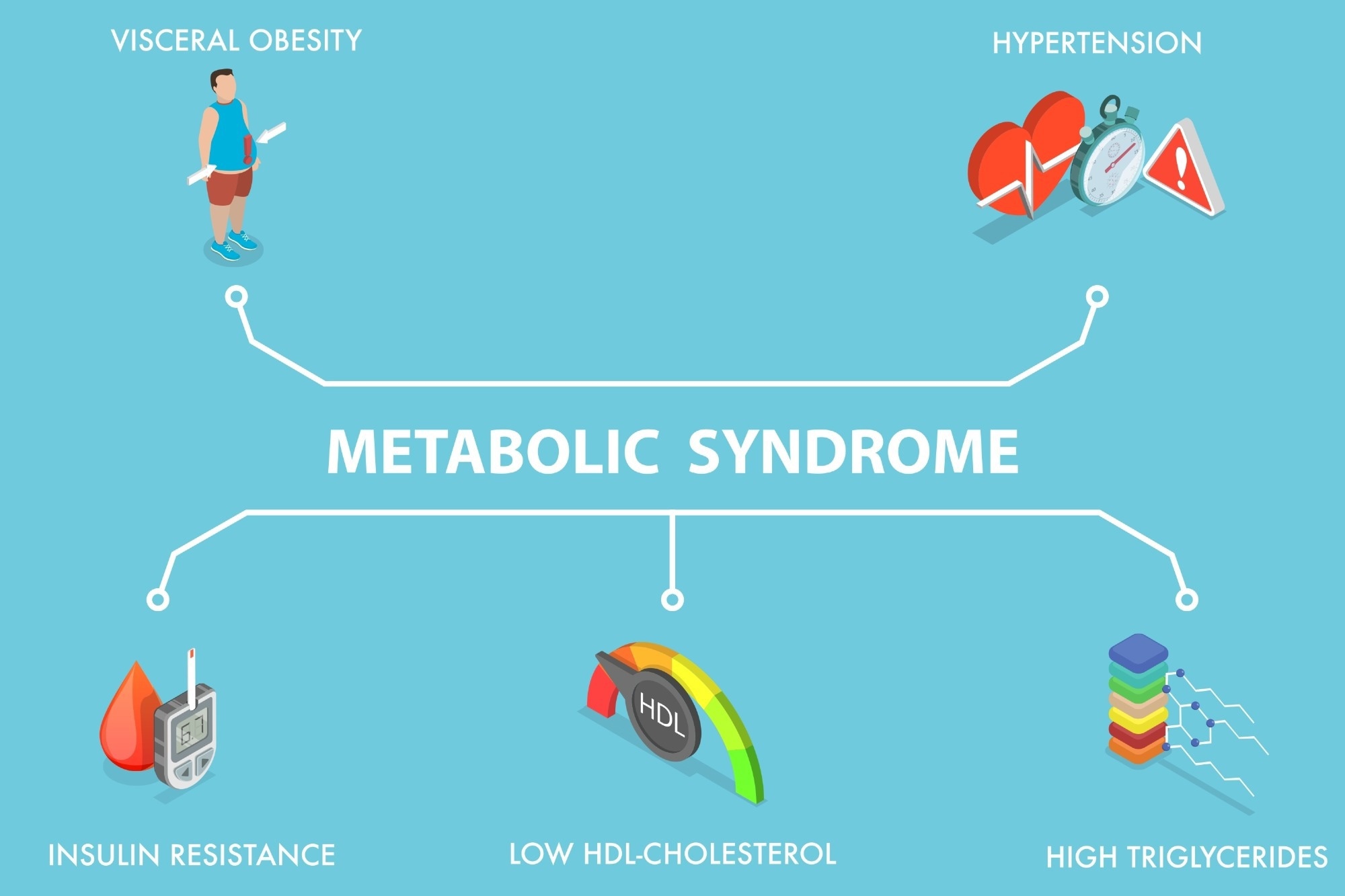
Modern oncology is increasingly recognizing that cancer does not exist in biological isolation. For older adults, the intersection of malignancy and metabolic syndrome-a cluster of conditions that increase the risk of heart disease, stroke, and type 2 diabetes-represents a significant challenge to long-term survival. Recent data analyzing a massive cohort of US patients suggests that metabolic health is not merely a secondary concern but a critical marker of mortality for those battling breast and prostate cancers.
The clinical significance of this relationship stems from the way metabolic dysfunction interacts with hormonal pathways. Both breast and prostate cancers are frequently influenced by endocrine signals, which can be disrupted by the chronic inflammation, insulin resistance, and altered hormonal signaling characteristic of metabolic syndrome. When these systemic abnormalities coexist with a primary malignancy, the physiological resilience of the patient is compromised, complicating the trajectory of the disease and heightening vulnerability to treatment side effects.
The Convergence of Metabolic Health and Cancer Mortality
Analysis of the SEER-Medicare database, involving over 200,000 patients aged 66 and older, reveals a stark contrast in survival outcomes based on metabolic status. Metabolic syndrome was identified in roughly 28% of breast cancer patients and 31% of prostate cancer patients. The presence of this syndrome was linked to a substantially higher risk of death across multiple categories, including all-cause, cancer-specific, and organ-specific failures.
For readers outside specialist circles, the SEER-Medicare linkage combines national cancer registry data with federal insurance claims, making it one of the most influential datasets underpinning US cancer policy and reimbursement decisions. In practice, this means the findings are likely to inform how large public payers prioritize which risks get systematically managed at the point of care.
The following data outlines the adjusted hazard ratios (HR) for mortality, where a higher number indicates an increased risk compared to patients without metabolic syndrome:
| Mortality Type | Breast Cancer (HR) | Prostate Cancer (HR) |
|---|---|---|
| All-Cause Mortality | 2.03 (95% CI, 1.98-2.08) | 2.21 (95% CI, 2.15-2.27) |
| Cancer-Specific Mortality | 1.30 (95% CI, 1.21-1.39) | 1.32 (95% CI, 1.22-1.42) |
| Cardiovascular Mortality | 2.27 (95% CI, 2.11-2.45) | 2.46 (95% CI, 2.27-2.66) |
| Liver-Failure Mortality | 2.55 (95% CI, 1.48-4.42) | 3.26 (95% CI, 1.83-5.82) |
While the association with cancer-specific death is significant, the most dramatic increases in risk are seen in cardiovascular and liver-related deaths. This suggests that while metabolic syndrome may influence the progression of the cancer itself, its primary impact on survival may be through the acceleration of other lethal comorbidities. For hospital systems and payers, that shifts the question from “How do we treat the tumor?” to “How do we prevent the broader cardiometabolic collapse that frequently follows diagnosis?”
Addressing Systemic Gaps in Integrated Care
The finding that metabolic syndrome is a marker of poorer survival highlights a persistent systemic issue in healthcare: the “siloing” of specialty care. Historically, oncology has focused on tumor eradication and stage-specific treatment, while metabolic health has been managed by primary care physicians or endocrinologists. This fragmentation can lead to gaps in care, where the metabolic drivers of poor prognosis are overlooked during the intensive phase of cancer treatment.
In the United States, that fragmentation is baked into how care is financed and measured. Quality metrics in oncology still tend to emphasize tumor response, procedural timeliness, and adherence to cancer-specific guidelines, while cardiometabolic control is tracked separately in primary care programs and chronic-disease registries. Bridging those silos would require oncology practices to be evaluated-and reimbursed-on their contribution to whole-patient risk reduction, not solely on cancer metrics.
From a public health perspective, the integration of cardiometabolic management into routine cancer care is no longer just a clinical preference but a systemic necessity. Effective integration would require:
- Interdisciplinary Care Pathways: Formalizing communication between oncologists and metabolic specialists to ensure that blood pressure, glucose, and lipid levels are optimized alongside chemotherapy, radiation, or hormone therapy, with shared care plans visible across teams.
- Population Health Screening: Implementing standardized metabolic screening for all older adults at the time of cancer diagnosis to identify high-risk patients immediately, with clear thresholds that trigger cardiology or endocrinology referrals.
- Resource Allocation: Expanding access to nutritionist-led interventions, physical-activity counseling, and metabolic monitoring within cancer centers to reduce the burden on external primary care systems and to make cardiometabolic support routine rather than optional.
At a governance level, programs such as Medicare are pivotal: benefit design, bundled payment models, and value-based purchasing rules can either encourage this kind of integrated pathway or leave it financially unattractive for providers already under pressure.
Socioeconomic Determinants and Health Equity
The data reveals an important demographic trend: patients with metabolic syndrome were more likely to be Hispanic or non-Hispanic Black. This underscores the role of Social Determinants of Health (SDoH) in cancer outcomes. Metabolic syndrome is frequently linked to systemic inequities, including limited access to nutrient-dense foods, lack of safe environments for physical activity, and disparities in preventive primary care and insurance coverage.
When these socioeconomic factors intersect with a cancer diagnosis, the resulting health disparity is compounded. Patients from marginalized communities may face a “double burden”-a higher prevalence of metabolic dysfunction and a higher risk of cancer-related mortality. For policymakers, this elevates metabolic syndrome from an individual lifestyle issue to a population-level equity challenge. Targeted investments in community-based screening, culturally appropriate nutrition and activity programs, and more consistent access to primary and specialty care become part of the cancer-control agenda, not just the chronic-disease agenda.
Implications for Long-Term Clinical Policy
Although the retrospective nature of this research means it identifies associations rather than direct causation, the evidence supports a shift in how “survivorship” is defined. For the aging population, surviving cancer is not only about the absence of the tumor but the management of the systemic environment in which that tumor existed.
The study concludes that “integrating cardiometabolic management with routine cancer care, alongside lifestyle interventions and appropriate therapeutic strategies, can help reduce mortality in this population.” For regulatory and policy bodies, this suggests a need to evaluate whether reimbursement models-particularly within Medicare and related federal programs-truly incentivize the holistic management of comorbidities or continue to reward fragmented, disease-specific interventions that treat cardiology, oncology, and endocrinology as separate universes.
As national cancer strategies and payment reforms are revised over the coming years, the question raised by this research is straightforward but politically and operationally difficult: will cancer care be held accountable for the full pattern of deaths that follow diagnosis, or only for what happens inside the tumor margins?