
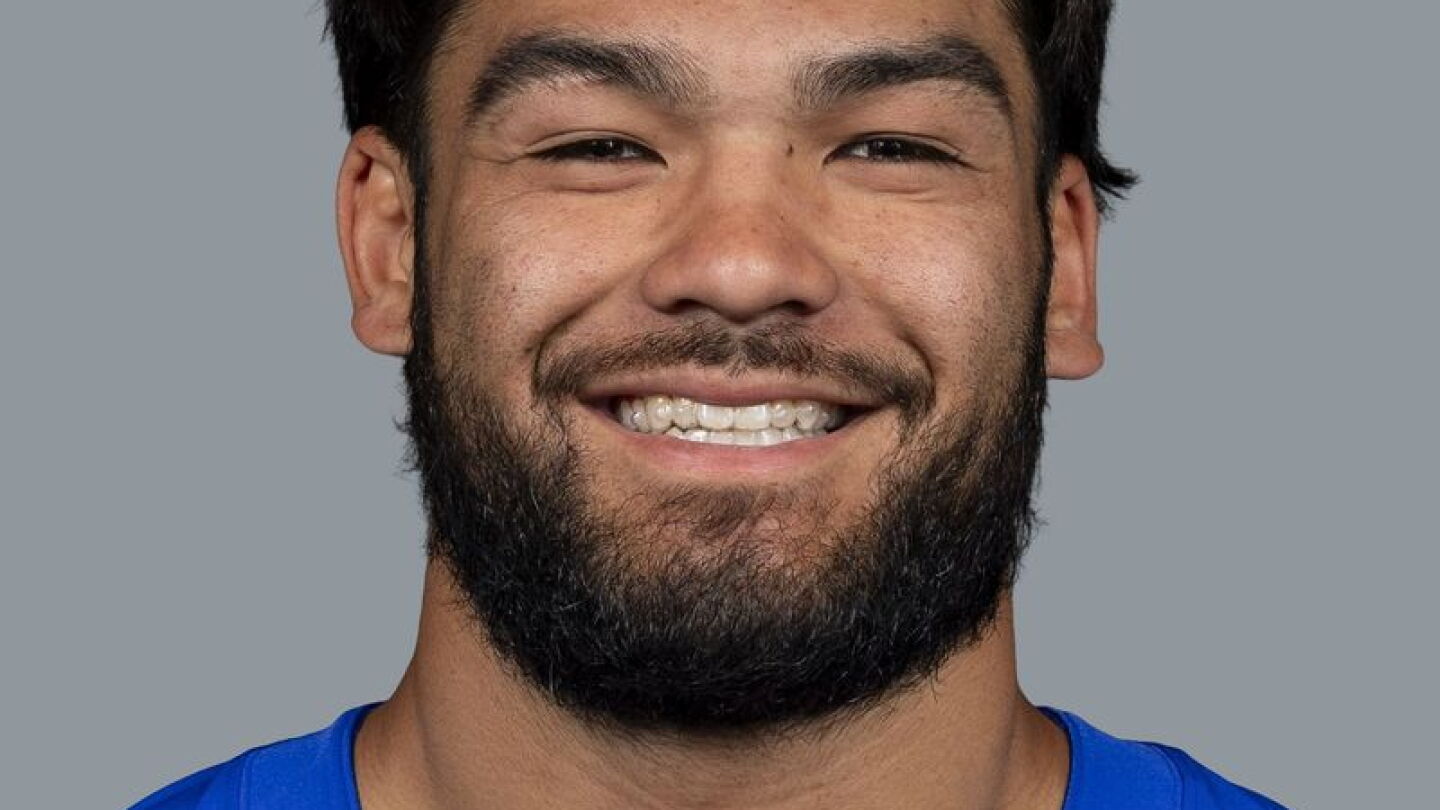
Puka Nacua Injury Places Rams’ Season-Building Project Under Strain – But Not on Hold
The Los Angeles Rams are preparing to be without standout wide receiver Puka Nacua for a significant stretch, with the second-year playmaker expected to move onto injured reserve after sustaining a combination of turf toe and sprains to the MCL and PCL in his knee. The organization, however, does not anticipate the injury ending his regular season, a key distinction as the Rams navigate the final phase of their campaign.
Multiple Injuries, One Management Plan
Nacua’s situation is complex: instead of a single isolated issue, he is dealing with three separate but related injuries in the same leg – turf toe, plus sprains to the medial collateral ligament (MCL) and posterior cruciate ligament (PCL). Medical staff typically manage each of these carefully given their impact on a receiver’s acceleration, cutting ability and ability to play through contact.
The Rams’ decision to move toward placing Nacua on injured reserve reflects the cumulative effect of those problems rather than a singular catastrophic blow. The injured reserve mechanism gives the club roster flexibility while providing the player with a protected rehabilitation window inside the National Football League’s formal roster and injury framework.
Under that framework, designating a player to injured reserve during the season frees a spot on the 53-man roster while binding the player to a defined period of inactivity before any potential return. For a team that operates with a relatively young and evolving depth chart at wide receiver, this flexibility is not merely administrative; it shapes how Los Angeles can reinforce other positions while Nacua recovers.
No Full-Season Shutdown – A Critical Signal
Crucially for the Rams and for Nacua’s long-term outlook, internal expectations are that he will not miss the remainder of the regular season. That indicates the club views the injuries as serious but manageable within the current campaign, rather than as an issue that would extend decisively into the postseason or next year.
For a franchise reshaping its roster around a blend of veteran leadership and emerging talent, keeping open the possibility of Nacua’s return has several competitive implications:
- Playoff positioning and balance on offense: Even if the Rams must adjust their game plans in the short term, the expectation of a late-season return allows the offensive staff to plan for a renewed passing threat in the closing weeks, when divisional and conference standings often tighten.
- Continuity in quarterback-receiver chemistry: Nacua has quickly become a central figure in the Rams’ aerial structure. Avoiding a season-ending designation preserves the prospect of resuming that timing and route discipline this year rather than treating 2026 as a full reset.
- Risk management: The combination of toe and ligament injuries requires cautious load management. An IR stint with a defined return possibility gives medical staff control over his progression back to full-intensity work, rather than pressing for a week-to-week evaluation under game pressure.
Adjusting the Rams’ Offense in Nacua’s Absence
Nacua’s profile as a receiver – a high-usage target who can operate both on the perimeter and from the slot – means the Rams must spread his responsibilities across multiple teammates rather than expecting a like-for-like replacement. In practical terms, that changes how Los Angeles can threaten defenses at all three levels of the field.
Short term, that shift can influence how opponents defend the Rams. Without a primary receiver occupying consistent attention on key downs, defensive coordinators may redistribute coverage resources, altering the space available for the remaining pass catchers and for the run game. The Rams’ ability to maintain efficient drives will hinge on how quickly they can reassign route concepts, alignments and target priorities to protect their quarterback and sustain rhythm.
There is also a broader strategic dimension. Nacua’s presence had helped the Rams blend their traditional emphasis on timing routes with more flexible, matchup-driven concepts. His absence forces the play-calling structure to tilt either toward a more diversified, committee-based distribution in the passing game or toward heavier reliance on the run to balance the offense.
Fantasy Football and the “Unicorn” Factor
Nacua’s rapid emergence has carried an additional layer of impact in fantasy football, where he has been regarded as a “unicorn” asset – a wide receiver whose target volume and usage profile create a rare competitive advantage in season-long and weekly formats. His move toward injured reserve disrupts that advantage and reshapes decision-making for fantasy managers.
Analysts have framed the fallout in clear terms: there is no direct replacement for Nacua’s specific blend of opportunity and production. Instead, managers are directed toward patchwork solutions on the trade and waiver markets, targeting receivers whose role expansions can collectively soften the blow but are unlikely to replicate his week-to-week ceiling on their own.
This mirrors the real-world challenge for the Rams. Just as fantasy managers must recalibrate their rosters, Los Angeles must accept that there is no single player who can assume Nacua’s entire role. Success over the coming weeks will likely depend on how effectively the club constructs a composite answer from multiple contributors.
Institutional and Commercial Stakes
Within the broader NFL ecosystem, injuries to high-profile offensive players carry both competitive and commercial consequences. Wide receivers who drive passing-game production are central to how the league is presented globally: they shape marquee matchups, highlight packages and the viewing experience for international audiences following the sport week by week.
From a club perspective, Nacua’s status touches several layers of institutional planning:
- Roster and salary-cap strategy: While his current contract status is not altered directly by an injured reserve stint, the Rams must constantly weigh how core players’ health trajectories influence medium-term investment across the roster.
- Scheduling profile and broadcast appeal: A Rams offense operating near full strength has a different national and international viewing profile than one missing a key receiver. While the schedule itself is fixed, injuries can affect the competitive balance of late-season fixtures that carry playoff implications.
- Player welfare within league rules: The handling of multi-ligament and foot injuries remains a sensitive area in modern American football. The Rams’ use of IR and controlled rehabilitation sits squarely within an evolving emphasis on long-term player health under league governance standards.
Global Audience, Local Decisions
The Rams’ management of Nacua’s rehabilitation will be watched closely not only in Los Angeles but across international markets where the NFL is expanding its presence. For many newer followers of the sport, players like Nacua serve as an introduction to the tactical depth of the league and its reliance on elite route-runners to unlock complex defenses.
That audience now sees an illustration of how a franchise balances immediate competitive needs with the protection of a key asset’s long-term career. The Rams are signaling that while the loss is significant in the short term, there remains a structured path for Nacua to rejoin a season that still holds meaning for their competitive ambitions.
In practical terms, the coming weeks will be defined less by speculation over exact return dates and more by how effectively the Rams’ coaching and performance departments can convert this disruption into a controlled adjustment rather than a turning point. The expectation that Nacua’s regular season is not over keeps that objective firmly in view.
Worth a look
