
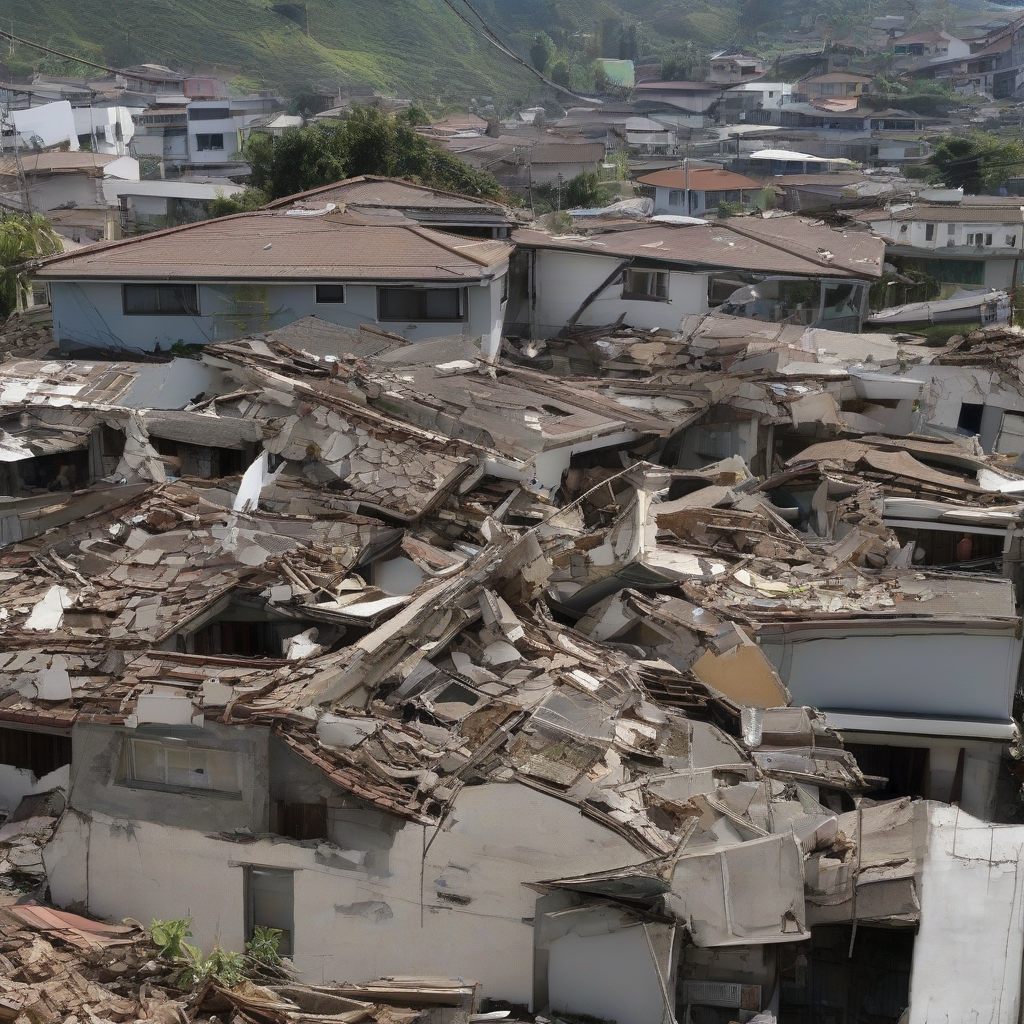
MANILA – Search and rescue operations for 36 missing individuals following a magnitude 7.8 earthquake have reached a grim impasse, as authorities report no signs of life in the landslide-stricken areas of Davao Occidental.
The disaster, which struck Maasim, Sarangani, during the week prior to June 15, 2026, has left 65 people dead and caused an estimated P1.13 billion in damages across the Zamboanga Peninsula, Davao, Soccsksargen, and Bangsamoro regions.
During a press conference on Monday, June 15, 2026, Office of Civil Defense (OCD) Deputy Administrator for Administration Assistant Secretary Bernardo Rafaelito Alejandro IV confirmed that the missing individuals were victims of landslides in Jose Abad Santos, Davao Occidental.
Alejandro stated that authorities are “trying hard” to recover the remains of the victims, but extreme terrain has hampered efforts.
“I was there yesterday, sa isang area nag pull out na ng search and rescue kasi napakalaki, bundok ang bumaba, hindi makaakyat ang equipment kaya nag re-channel ng resources sa ibang areas na may kailangan,” Alejandro said. (I was there yesterday. In one area, the search-and-rescue team had already pulled out because the landslide was massive — the mountainside had collapsed. The equipment could not get up there, so resources were redirected to other areas that needed them.)
The OCD, which leads disaster response coordination under the Philippines’ Philippine Disaster Risk Reduction and Management Act of 2010, has shifted its focus in the worst-hit communities from life-saving operations to retrieval and support for displaced families, even as local governments weigh extended states of calamity to sustain funding for relief.
Casualty and Displacement Data
A situational report from the National Disaster Risk Reduction and Management Council (NDRRMC) detailed the human cost of the earthquake, noting a high concentration of fatalities in the Soccsksargen region and significant displacement across multiple regions in Mindanao.
- Total Death Toll: 65
- Soccsksargen: 57 deaths
- Davao Region: 8 deaths
- Affected Population: 736,386 persons (176,186 families) across 512 barangays, many of them in remote, coastal, or upland communities with limited access to health and social services.
- Evacuation Status: 14,161 persons (3,180 families) are currently housed in 37 evacuation centers, while thousands more are staying with relatives or in makeshift shelters, heightening concerns over overcrowding and public health risks.
Infrastructure and Housing Damage
The earthquake caused widespread structural failure, affecting both government and private assets. The OCD reported that the total cost of infrastructural damage has risen to P1.13 billion, involving 728 vital structures, including roads, bridges, schools, and health facilities critical to the delivery of basic services.
The NDRRMC provided a specific breakdown of residential losses, underscoring the scale of reconstruction that will be required from national and local authorities:
- Total Houses Damaged: 57,252
- Totally Destroyed: 10,023
- Partially Damaged: 47,229
Engineers from national agencies and local governments are continuing rapid damage assessments, which will guide the release of rehabilitation funds and the enforcement of building standards in high-risk zones. Authorities have also reiterated calls for stricter compliance with structural codes in earthquake-prone and landslide-prone areas.
Government Response and Aid
In response to the scale of the destruction, 14 cities or municipalities have been officially placed under a state of calamity. This legal designation allows local government units to tap emergency appropriations, impose price controls on basic goods, and fast-track procurement for relief and early recovery measures.
The Department of Social Welfare and Development has released P137,369,496.39 in assistance to residents affected by the earthquake, including family food packs, non-food items, and financial support. Additional resources from the National Disaster Risk Reduction and Management Fund are expected to be mobilized as local governments submit validated damage and needs assessments.
Authorities have urged affected residents to heed advisories on aftershocks, secondary hazards such as landslides, and potential relocations away from “no-build zones.” As Mindanao communities begin to shift from emergency response to recovery, national agencies say the focus will increasingly turn to rebuilding schools and health centers, restoring livelihoods, and strengthening local preparedness in one of the country’s most hazard-exposed regions, in line with the broader framework of the national disaster risk reduction and management system.
Keep reading
- Urban Infrastructure Resilience: How European and Asian Megacities Are Adapting to Extreme Climate Oscillations in 2026
- UN General Assembly 2026 Framework on Autonomous Systems: International Diplomacy Faces Algorithmic Governance
- Why Some Trees Keep Their Dead Leaves All Winter (daybreakwire.com)
- Robbie Savage leaves Forest Green to become Peterborough manager (globallypulse.com)
