
GLP-1 medicines emerge as a potential tool to protect the heart after a heart attack
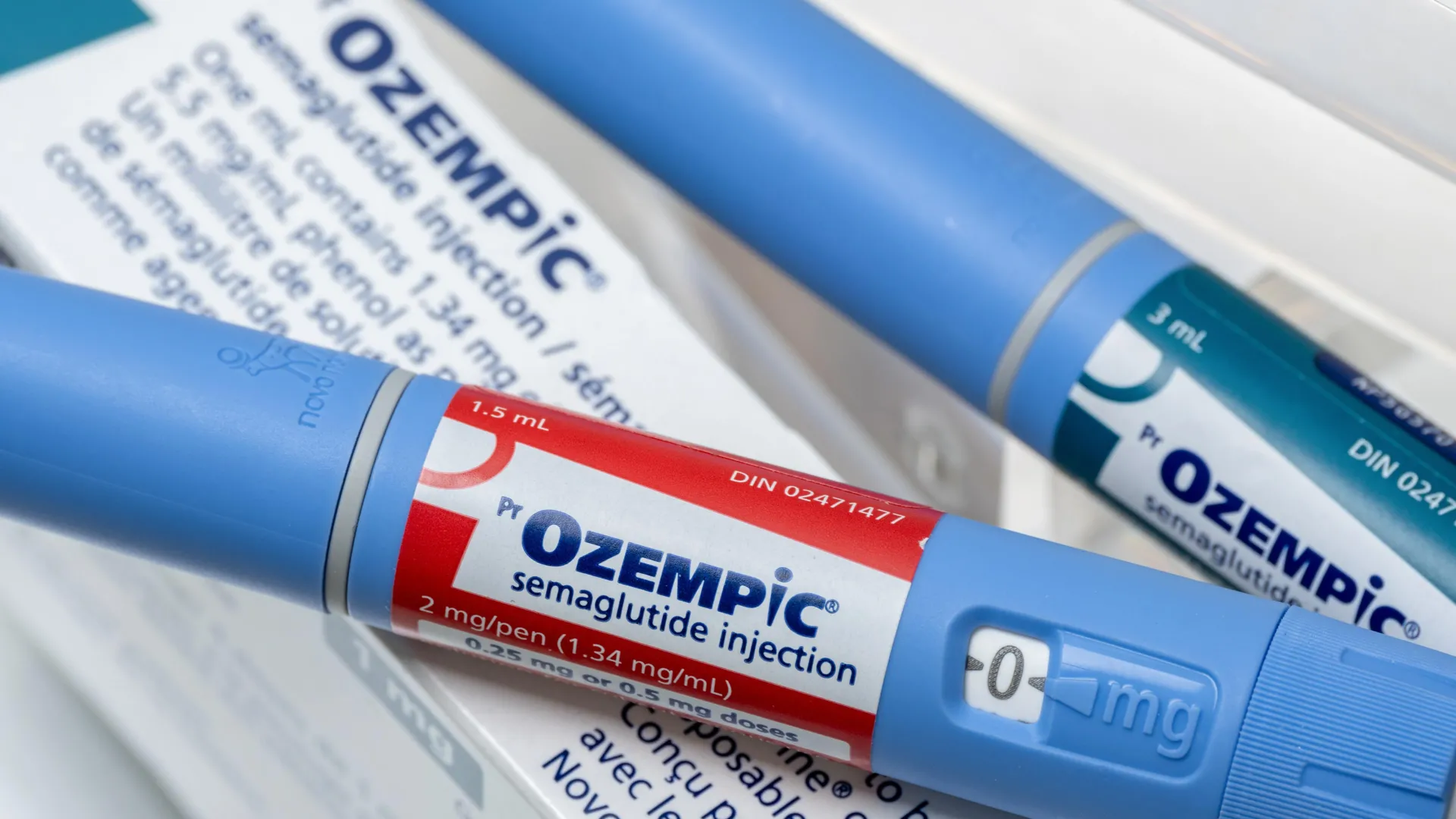
Medications that mimic GLP-1-already in wide use for type 2 diabetes and obesity-may also help limit microvascular injury after a heart attack, new research suggests. The study, led by teams at the University of Bristol and University College London and published in Nature Communications, explores how these drugs might reduce a complication that persists even after a blocked coronary artery is reopened in the catheterization lab.
Researchers focused on the “no‑reflow” phenomenon, in which tiny capillaries inside the heart remain constricted and under‑perfused despite successful angioplasty and stenting. Their laboratory work indicates that GLP‑1 drugs activate potassium channels, relax pericytes-the contractile cells that encircle capillaries-and restore blood flow through the heart’s smallest vessels.
GLP‑1 receptor agonists are already authorized for chronic management of type 2 diabetes and, in some jurisdictions, obesity, under existing regulatory frameworks overseen by bodies such as the U.S. Food and Drug Administration. Repurposing them for acute use in heart‑attack care would require a separate evidentiary and regulatory pathway.
Clinical stakes: the microvascular gap in heart‑attack care
The immediate reopening of an occluded coronary artery has transformed survival from acute myocardial infarction. Yet microvascular obstruction continues to blunt recovery for many patients and strains cardiology services with repeat admissions and heart‑failure management needs. For health‑system leaders, this “last mile” of blood flow in the heart remains a stubborn blind spot in otherwise protocolized care.
| Issue | What’s known | Implications for systems |
|---|---|---|
| No‑reflow prevalence | Occurs in up to 50% of heart‑attack patients even after the main artery is opened. | Persistent tissue under‑perfusion despite guideline‑concordant revascularization, with limited targeted therapies. |
| Short‑ to mid‑term outcomes | Linked to higher risk of death or hospital admission for heart failure within one year. | Ongoing pressure on inpatient capacity, cardiac rehabilitation programs, and specialist follow‑up clinics. |
| Proposed GLP‑1 mechanism | Activation of potassium channels relaxes pericytes and widens constricted capillaries. | Potential to increase myocardial salvage, shorten recovery time, and reduce downstream complications if validated in humans. |
| Evidence stage | Preclinical and experimental models with translational rationale; human trials needed. | Opportunity for pragmatic, multi‑center trials embedded in acute cardiac pathways and national research networks. |
| Regulatory status | GLP‑1 drugs are not approved for preventing no‑reflow after heart attack. | Any new indication would require randomized trials, regulatory review, and labeling changes, with subsequent guideline and payer decisions. |
Researchers’ perspectives from the study
“In nearly half of all heart attack patients, tiny blood vessels within the heart muscle remain narrowed, even after the main artery is cleared during emergency medical treatment. This results in a complication known as ‘no‑reflow,’ where blood is unable to reach certain parts of the heart tissue.
“Our previous research has shown that this narrowing of blood vessels contributes significantly to ‘no‑reflow,’ a complication that increases the risk of death or hospital admission for heart failure within a year of a heart attack. But our latest findings are surprising in that we have found GLP‑1 drugs may prevent this problem.”
“With an increasing number of similar GLP‑1 drugs now being used in clinical practice, for conditions ranging from type 2 diabetes and obesity to kidney disease, our findings highlight the potential for these existing drugs to be repurposed to treat the risk of ‘no‑reflow’ in heart attack patients, offering a potentially life‑saving solution.”
The investigators stress that these observations are based on laboratory models and mechanistic work rather than on outcomes from randomized trials in people. They describe their findings as hypothesis‑generating and emphasize that patients should not change prescribed treatment without medical advice.
Where this fits in the broader evidence on GLP‑1 therapies
Over the past decade, GLP‑1 receptor agonists have moved from glucose control into cardiovascular risk modification for selected populations. Multiple large randomized trials have shown reductions in major adverse cardiovascular events in people with established cardiovascular disease or type 2 diabetes, alongside consistent safety monitoring and post‑marketing surveillance. The new study builds on that arc by targeting microvascular physiology during and after a heart attack, a setting distinct from chronic risk‑reduction trials.
- GLP‑1 agents are already integrated into diabetes and obesity care pathways through professional guidelines and payer formularies, with indications typically limited to long‑term risk management rather than emergency use.
- The proposed cardioprotective effect here is acute and mechanistic-aimed at preserving perfusion at the capillary level in the hours following artery reopening, potentially complementing existing PCI protocols.
- Translation to practice would hinge on demonstrating benefit on clinically relevant endpoints beyond laboratory models, including survival, heart‑failure hospitalizations, and quality of life.
For policymakers and commissioners, this positions GLP‑1 drugs as a bridge between chronic metabolic care and acute cardiovascular intervention, but one that still lacks the trial evidence required for routine deployment.
What health systems would need to see before changing practice
Adopting GLP‑1 drugs around the time of a heart attack would represent a new indication. Health agencies and clinical networks typically look for converging signals across imaging, biomarkers, and patient‑centered outcomes before altering standard pathways of care.
- Trial design priorities
- Populations: ST‑elevation and high‑risk non‑ST‑elevation heart‑attack patients treated with primary PCI, including diverse age, sex, and comorbidity profiles.
- Timing: peri‑procedural initiation with standardized dosing and duration that can be operationalized in busy cath labs.
- Endpoints: microvascular obstruction on cardiac MRI, infarct size, left‑ventricular function, and major adverse cardiovascular events at 30 days and 1 year.
- Safety: gastrointestinal tolerability, hemodynamic stability in the acute phase, and structured monitoring for rare adverse events such as pancreatitis.
- Regulatory pathway
- Submission of phase II/III data to medicines regulators for any label expansion, followed by potential updates to product information and risk‑management plans.
- Review by guideline bodies before incorporation into acute coronary syndrome protocols, with particular attention to interactions with existing antithrombotic and heart‑failure therapies.
- Implementation requirements
- Integration with cath‑lab and coronary care workflows to avoid treatment delays, including clear order sets and nursing protocols.
- Training for multidisciplinary teams and updates to electronic order sets and clinical decision‑support tools.
Decisions at this stage will likely be made not only by hospital clinicians but also by regional payers, national health‑technology assessment bodies, and professional societies.
Equity, access, and affordability considerations
GLP‑1 medicines are high‑demand therapies with active supply and affordability debates. Any off‑label use in acute cardiology would need to balance potential benefit with fair access and protection of ongoing care for people using these medicines for approved conditions.
- Access pressures
- Potential competition between chronic and acute indications if supply remains constrained, particularly where GLP‑1 drugs are already prioritized for high‑risk diabetes and obesity populations.
- Variation in payer coverage could widen disparities across hospitals and regions, with early adopters clustered in better‑resourced centers.
- Patient populations at risk
- Higher heart‑attack burden among socioeconomically disadvantaged groups and certain racial and ethnic communities, who already face barriers to reperfusion and cardiac rehabilitation.
- Rural and smaller hospitals may have fewer options for rapid adoption without targeted funding or centralized procurement.
- Cost management
- Formulary decisions would weigh drug costs against potential reductions in readmissions and heart‑failure care, and against opportunity costs in other parts of the cardiovascular budget.
- Outcomes‑based contracting and real‑world effectiveness studies could inform sustainable coverage and support accountability for public spending.
For health ministries and insurers, the prospect of a new high‑cost indication underscores the need to align pricing, supply planning, and equity safeguards early in the evidence‑generation cycle.
Safety monitoring and stewardship
While GLP‑1 drugs have extensive safety experience in outpatient metabolic care, stewardship in acute cardiac settings would require additional layers of oversight and clear governance between cardiology, endocrinology, and pharmacy teams.
- Medication management in the immediate post‑PCI period, including interactions with antithrombotic therapy, renal function changes, and hemodynamic fluctuations.
- Hospital pharmacovigilance to track adverse events and discontinuations during inpatient stays, with rapid feedback into protocol adjustments.
- Data sharing through registries to assess effectiveness and safety beyond controlled trials, enabling regulators and guideline bodies to evaluate performance in real‑world practice.
Any early‑adopter programs would likely proceed under strict data‑collection requirements and time‑limited approvals, reflecting how regulators now approach novel uses of existing medicines.
Funding transparency and research independence
Dr. Svetlana Mastitskaya is funded by the British Heart Foundation. Standard safeguards in academic research-prospective registration, predefined endpoints, and independent data monitoring-will be important to maintain confidence as this line of investigation progresses. Journals, funders, and regulators will also expect clear reporting of any relationships with manufacturers of GLP‑1 drugs and independent replication of key findings.
Key takeaways for policy and practice leaders
- The study spotlights pericytes and microvascular perfusion as tractable targets after artery reopening-an area where standard care offers limited options and where even small improvements could translate into fewer heart‑failure admissions.
- GLP‑1 drugs present an immediately testable candidate for repurposing, supported by a plausible mechanism and extensive real‑world use in other indications, but currently backed only by preclinical data in the no‑reflow setting.
- Health‑system adoption would require clear trial evidence, regulator authorization, and equitable coverage strategies to avoid exacerbating disparities, as well as alignment with existing cardiovascular‑risk and diabetes‑care policies set by national and regional authorities.
For now, the signal is promising but preliminary: a potential new chapter in GLP‑1 medicine that will be written as much in regulatory hearings and budget meetings as at the laboratory bench. Policymakers and clinical leaders will be watching closely as the first human trials are designed and launched, guided by evolving evidence and by the formal responsibilities laid out for medicines oversight bodies such as the U.S. Food and Drug Administration and its counterparts worldwide.
Related reading
- Global Antimicrobial Resistance Action: Surveillance Networks and Novel Bacteriophage Therapies in Late 2026
- Wearable Biosensors and Continuous Metabolic Monitoring: Preventive Healthcare’s Next Frontier
- Flydubai co-pilot attacked pilot with axe in attempted 'terrorist attack', UAE says (globallypulse.com)
