
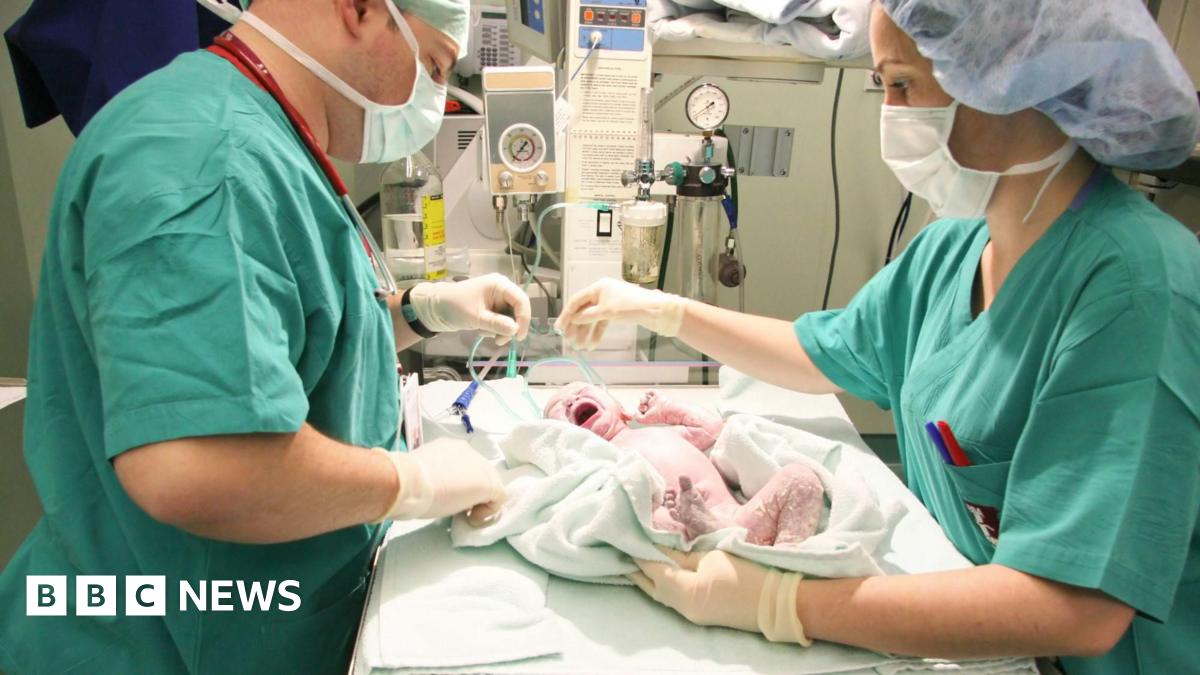
“It was my first ever surgery. Just the thought of being open on a table still feels so surreal and so unbelievable,” she adds.
For many women, an emergency caesarean section is a sudden shift from a planned birth experience to a high-stakes surgical intervention. While the immediate priority is the survival of the mother and child, the aftermath involves a complex intersection of physical healing and psychological recovery. Now at home with baby Aarav, she faces six weeks of physical recovery from the major surgery, but says the mental trauma is the hardest part for her.
The Burden of Surgical Recovery
The recovery period following an emergency C-section is typically more intensive than that of a planned procedure or a vaginal delivery. The physical toll includes managing a major abdominal incision, while the sudden nature of the surgery often leaves patients with limited time to process the transition, contributing to postpartum psychological distress.
- Physical Recovery: Typically spans around six weeks, involving wound care, pain management, and gradual restoration of mobility, often while caring for a newborn with limited family or community support.
- Psychological Impact: Heightened risk of birth-related trauma or PTSD linked to the urgency of the procedure, loss of control in the delivery room, and fear for the baby’s survival.
- Neonatal Care: Immediate adjustments to breastfeeding, skin-to-skin contact and bonding while managing surgical pain, which can be complicated if the baby requires admission to a neonatal unit.
Clinicians warn that when these physical and psychological needs are not recognised early, women can fall through gaps between maternity services, primary care, and already stretched mental health provision.
Obstetric Infrastructure and Workforce Gaps
The clinical ability to respond to obstetric emergencies is heavily dependent on the availability of specialised infrastructure and a resilient workforce. Dr Alison Wright, president of the Royal College of Obstetricians and Gynaecologists, has been delivering babies for 35 years. She worries how services will adapt to the increased number of emergency C-sections, particularly as birth rates fluctuate and the complexity of pregnancies rises.
The pressure on maternity units is not merely a matter of staffing but of physical space and dedicated facilities. She says many maternity units already do not have enough dedicated obstetric theatres, forcing clinicians to compete with other surgical specialties for emergency slots.
“If we do not invest in our workforce and in our operating theatre capacity, we may be in a position in the future where we cannot do the emergency caesareans we need to,” she adds.
Systemic capacity constraints often manifest in the following areas:
| Capacity Factor | Systemic Risk | Institutional Requirement |
|---|---|---|
| Theatre Availability | Delayed surgical intervention during fetal distress and other time-critical emergencies | Dedicated, 24/7 obstetric operating suites with clear escalation protocols |
| Specialist Workforce | Burnout and staffing shortages in anaesthesia, obstetrics and theatre nursing | Long-term workforce planning, increased recruitment and improved retention of maternity specialists |
| Bed Management | Overcrowding in postnatal wards and delayed transfers from delivery suites | Expansion of high-dependency maternity beds and better integration with critical care |
Senior clinicians say these structural weaknesses turn individual emergencies into system-wide stress tests, with knock-on effects for women whose births are still hours away.
The Economic Implications of Emergency Intervention
From a health economics perspective, the shift toward more emergency surgical interventions places a quantifiable strain on public health budgets. The resource intensity of an unplanned surgery-including emergency staffing, immediate theatre access, critical care back-up and potentially longer hospital stays-significantly increases the cost per birth.
Prof Ed Wilson, health economist at the University of Exeter, provides a breakdown of the financial impact based on NHS activity and tariff data.
| Delivery Type | Estimated Cost (GBP) |
|---|---|
| Routine Vaginal Delivery | £4,800 |
| Planned Caesarean Section | £6,000 |
| Emergency Caesarean Section | £9,000 |
For finance directors, these figures are no longer abstract. A higher proportion of emergency procedures means local health systems must divert money from other services to maintain safe maternity care, sharpening debates over how hospitals are funded and what level of risk the public is prepared to tolerate.
Governance, Safety Standards and Clinical Oversight
The increase in emergency interventions is prompting fresh scrutiny of clinical pathways and the regulatory frameworks governing maternity care. In England, national standards are set and overseen by bodies including the NHS and the healthcare regulator, but day-to-day responsibility rests with individual trusts and their boards. The central challenge for health administrators is to maintain the balance between avoiding unnecessary surgery and ensuring timely intervention when labour deviates from the expected course.
An NHS spokesperson says: “The increase in the number of emergency caesarean births is influenced by many factors, and our priority is always the safety and wellbeing of both mothers and babies.”
“Decisions are made by considering individual circumstances and clinical advice to ensure the safest and most appropriate approach for each birth.”
National guidance, such as that issued by the National Institute for Health and Care Excellence, sets out how clinicians should respond to evolving risks in labour, including when to escalate to an emergency C-section. But implementation depends on whether local services have the staff, theatre capacity and data systems to track outcomes and act quickly when patterns of harm emerge.
Addressing these systemic pressures requires high-level policy coordination. The Department of Health and Social Care says it is committed to improving maternity and neonatal safety and points to Health Secretary James Murray’s role as chair of the national maternity taskforce, which brings together clinicians, regulators and patient representatives to review avoidable harm and advise on investment priorities. For women like Aarav’s mother, the test will be whether those decisions translate into calmer delivery rooms, faster responses when emergencies arise, and better support long after they leave the operating theatre.
