
The Fragility of Declining Case Numbers
Recent epidemiological data from the Democratic Republic of the Congo indicates a downward trend in Ebola case numbers, offering a tentative glimmer of hope. However, in the context of viral hemorrhagic fevers, a decline in reported figures does not necessarily equate to the elimination of the threat. The volatility of Ebola outbreaks in Central Africa is often exacerbated by porous borders, displaced populations, and the potential for zoonotic reservoirs to trigger new chains of transmission.
The complexity of the current situation stems from the intersection of public health and regional instability. When case numbers drop, there is a systemic risk of premature complacency, which can lead to a reduction in surveillance and a lapse in the stringent contact tracing required to prevent a resurgence. For national authorities in Kinshasa and provincial governors alike, the political temptation to redeploy scarce resources away from Ebola is immediate; the epidemiological cost of doing so can take months to become visible.
Coordinating a Continental Response
To address the systemic gaps in outbreak management, the World Health Organization (WHO) and the Africa Centres for Disease Control and Prevention (Africa CDC) have formalized a joint strategic framework. This alignment is designed to move beyond reactive measures and toward a sustainable, integrated health security architecture across the continent, in which Ebola readiness is treated as a standing obligation rather than an emergency exception.
A central component of this effort is a comprehensive $518 million plan aimed at curbing the outbreak. This financial and operational mobilization focuses on scaling up diagnostic capabilities and ensuring that response efforts are not siloed but are instead integrated into the broader primary healthcare system. It also seeks to align national preparedness plans with the obligations set out under the International Health Regulations (2005), which require governments to detect, report, and contain public health threats that could cross borders.
| Policy Pillar | Strategic Objective | Implementation Focus |
|---|---|---|
| Surveillance | Early Detection | Enhancing community-based reporting and rapid laboratory confirmation, with clear protocols for notifying national and regional authorities. |
| Vaccination | Ring Vaccination | Deploying vaccines to high-risk contacts and frontline workers, while maintaining registries and consent processes that can withstand political and public scrutiny. |
| Logistics | Supply Chain Resilience | Securing a steady flow of personal protective equipment (PPE) and therapeutics, and embedding these supply chains within routine procurement systems rather than ad hoc emergency pipelines. |
| Governance | Inter-agency Coordination | Aligning WHO and Africa CDC operational protocols for faster deployment and clarifying lines of authority between ministries of health, security forces, and local administrations during outbreaks. |
Infrastructure Gaps and Workforce Vulnerability
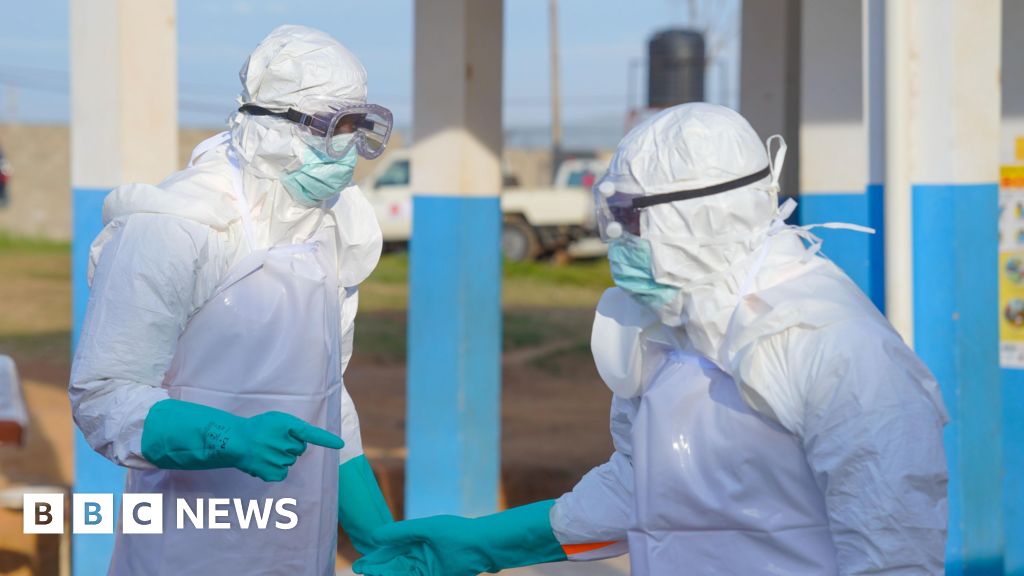
Despite high-level planning and funding, the reality for healthcare providers on the ground remains perilous. The discrepancy between international policy and local implementation is most evident in the shortage of critical safety equipment. In various regions of the Congo, clinicians are forced to manage highly infectious patients with insufficient gear, creating a dangerous environment where the healers themselves become high-risk targets and, in some cases, inadvertent vectors of transmission.
The psychological toll on the medical workforce is profound. The lack of adequate biosafety protocols and materials has led to a climate of instability among staff. Describing the daily reality of operating in these conditions, some medical professionals have stated, “We live with fear.” That fear, when combined with irregular salaries and limited legal protections for occupational exposure, erodes morale and fuels staff turnover at precisely the moment when continuity of care is most critical.
This vulnerability highlights a systemic failure in the “last mile” of health delivery. When the workforce is compromised by fear and a lack of resources, the entire chain of containment is weakened, increasing the likelihood of nosocomial transmission-the spread of infection within healthcare settings. For policymakers, the lesson is clear: emergency financing and high-level coordination must be matched by enforceable standards for infection prevention and control in every clinic that receives suspected Ebola patients.
Addressing the Infodemic
The biological challenge of Ebola is compounded by a sociological one: the rapid spread of misinformation. In areas where trust in institutional authority is low, rumors regarding the origin and treatment of the virus can impede public health interventions, leading to the avoidance of treatment centers and the concealment of symptomatic individuals. In past outbreaks, such mistrust has directly shaped whether families agree to isolation, vaccination, or safe and dignified burial practices.
To counter this, community-based communication strategies have become a primary line of defense. Local radio stations have emerged as critical tools for public health diplomacy, translating complex medical guidance into accessible, culturally relevant information to stop health misinformation from stalling the response. In some districts, programming is coordinated with local health committees so that messages on the air reflect not only scientific guidance but also community questions and grievances.
- Community Trust: Leveraging local voices-traditional leaders, religious figures, and respected health workers-to validate the safety of vaccination and treatment.
- Real-time Correction: Using broadcast media to quickly debunk myths before they influence community behavior, especially in the immediate aftermath of new case announcements.
- Behavioral Change: Promoting safe burial practices and hygiene protocols through repetitive, trusted messaging that reinforces, rather than contradicts, existing cultural norms.
- Engagement: Creating feedback loops where community concerns are addressed by health officials via public airwaves, turning one-way messaging into a form of ongoing dialogue.
The ability to synchronize these communication efforts with clinical interventions is essential. Without the cooperation of the population, even the most well-funded outbreak response remains incomplete, as the virus thrives in the gaps created by mistrust and social fragmentation. For governments and regional bodies, investing in this social infrastructure is no longer a soft add-on to emergency operations; it is a core pillar of epidemic governance, as vital to containment as laboratories and isolation wards.
Worth a look
