
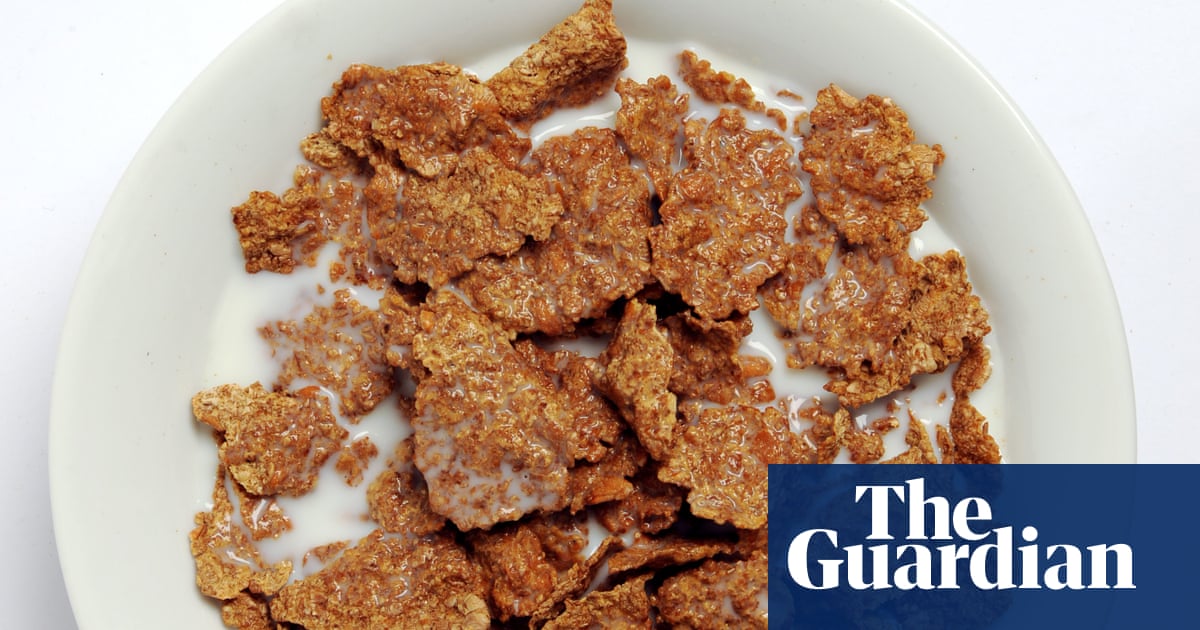
LONDON – The UK government is proposing a significant overhaul of its nutrient profiling model (NPM), a move that could reclassify established breakfast cereals-including bran flakes-as high in fat, salt, or sugar (HFSS).
The shift represents a strategic pivot in public health regulation, moving the focus from total sugar content to “free sugars,” which include naturally occurring sugars. For the food and beverage sector, this change threatens to invalidate previous reformulation efforts and restrict the advertising and promotion of products previously marketed as healthy.
The proposed reforms target the commercial drivers of childhood obesity by restricting the visibility and marketing of products that fail the updated NPM criteria. They would apply across the United Kingdom’s four constituent countries, where public health policy is formally reserved to the UK government even as implementation often relies on devolved administrations.[1]
Regulatory Shift to Free Sugars
The current nutrient profiling framework, used to determine whether products can be advertised to children or placed in prominent in‑store locations, has remained largely unchanged for two decades. Government officials stated that the existing rules no longer reflect contemporary dietary advice or the latest guidance on sugar consumption.
Under the proposed model, the government will integrate naturally occurring free sugars-such as those released from fruit during processing-alongside refined sugars when determining a product’s health classification. Bran flakes, which frequently utilise added glucose derived from corn or wheat starch to maintain palatability, are expected to be deemed HFSS under these criteria.
The updated NPM would sit alongside wider restrictions on HFSS product promotions overseen by the Department of Health and Social Care and implemented through the UK’s statutory guidance on retail promotions and advertising.[2] This framework underpins limits on when and where HFSS products can be advertised on television, online and in physical stores.
A government spokesperson stated:
“Obesity and poor diets rob children of the best possible start in life, and this is about supporting parents to raise the healthiest generation of children by restricting the advertising and promotion of junk food.”
The spokesperson added that the new model shifts the focus toward diets higher in fibre and reflects updated nutritional guidelines that emphasise whole grains, reduced sugar intake and lower overall energy density.
Corporate Impact and Reformulation Costs
The reclassification poses a direct challenge to Kellanova, the global snacking and cereal entity formed following the separation of the original Kellogg Company. The company has spent the last decade adjusting its product compositions to meet existing health standards and to qualify for more permissive advertising slots and in‑store placements.
Dean O’Brien, managing director of Kellanova, stated that the plans have “the potential to unintentionally undo years of work and investment by food companies to encourage healthier choices,” warning that brands could be penalised despite substantial reformulation.
Kellanova provided the following data regarding its nutritional adjustments over the last ten years:
- Average sugar content across key lines reduced by 27%
- Average salt content reduced by 22%
O’Brien noted that under current regulations, four of the company’s five bestsellers and all of its children’s cereals are classified as healthy. He argued that products like bran flakes remain “nutritionally dense,” high in fibre, low in saturated fat, and fortified with iron and vitamins, and warned that treating such cereals as HFSS could confuse consumers and undermine trust in official health messaging.
He also signalled that further reformulation to meet the proposed thresholds could prove costly, with implications for product pricing, portion sizes and the viability of long‑established brands.
Market Precedents and Compliance
The tension between cereal manufacturers and nutritionists is not new. In 2009, a survey of 100 cereals conducted by the consumers’ organisation Which? found that typical portions of certain cereals contained more sugar than a Cadbury chocolate Flake.
At that time, several brands positioned as healthy-including Special K, Bran Flakes and All Bran-were identified as having high sugar levels despite industry claims of reduction. Those findings paved the way for the original NPM and for tighter scrutiny of on‑pack health claims and marketing imagery aimed at children.
The Department of Health and Social Care is now managing the consultation process for the new model. Officials are examining how to align the revised NPM with existing HFSS rules on advertising and promotional restrictions, which can include bans on “buy-one-get-one-free” offers, limits on multibuy deals and restrictions on end‑of‑aisle and checkout placements in retail environments.
Industry groups are expected to focus their submissions on timelines for compliance, the treatment of fibre‑rich fortified cereals, and the risk that the new approach could blur distinctions between ultra‑processed sugary products and staple breakfast foods. Public health advocates, in turn, are pressing ministers to avoid exemptions that could dilute the policy’s impact on childhood obesity rates.
The government is currently consulting on the application of the new model and is reviewing feedback from industry stakeholders, health campaigners and devolved administrations before deciding how and when the rules will be implemented.
Related reading
