
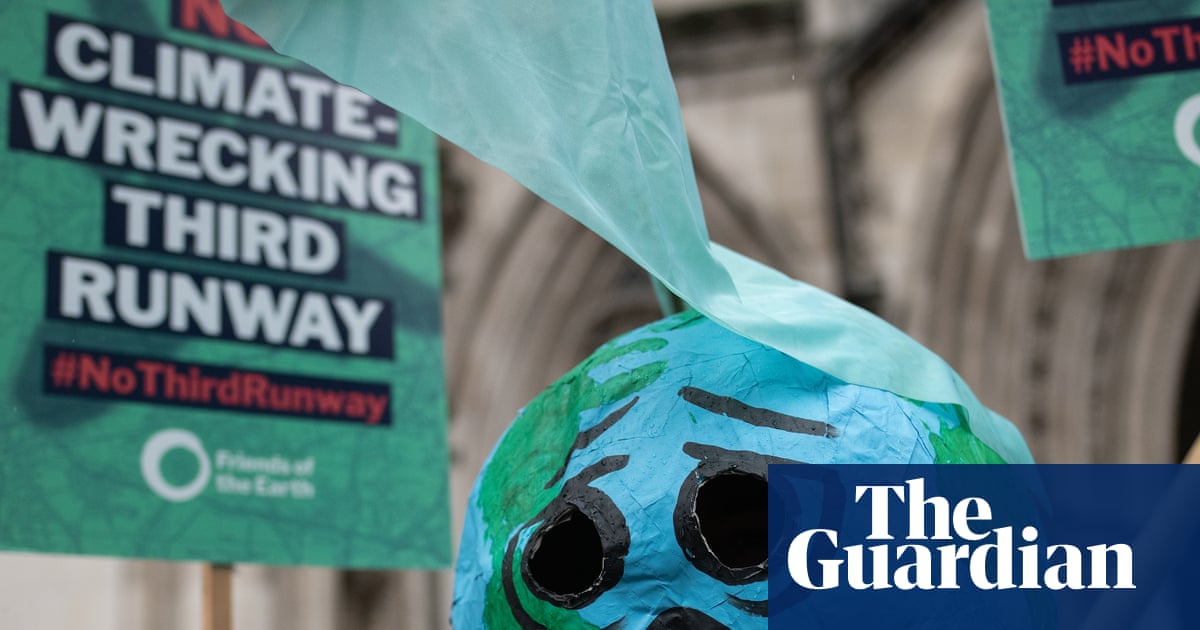
LONDON – Internal government analysis suggests the economic contribution of a third runway at Heathrow Airport may be significantly lower than previous official estimates, with the project potentially resulting in a net loss to the UK economy of up to £62.5bn.
Documents from the Department for Transport (DfT) indicate the expansion is expected to increase GDP by only 0.05% by 2056. This figure represents a 90% reduction from previous government projections, which had estimated a growth boost between 0.43% and 0.5%.
The findings create a strategic contradiction for the Treasury, as Chancellor Rachel Reeves has identified rapid expansion of the airport as a top priority for national economic growth. A consultation for the next stage of the legislative process was launched on June 18, 2026.
The DfT’s appraisal utilizes Net Present Value (NPV) to determine the overall social value of the expansion. The analysis calculates the NPV to be between -£23.4bn and -£62.5bn, even if the project is financed entirely through private capital.
The financial trade-offs identified in the appraisal include:
- Positive Benefits: £29bn to £42.4bn, driven primarily by lower air fares and wider economic gains for passengers.
- Social and Environmental Costs: £58bn to £82bn.
- Industry Impact: An estimated £25bn decline in profits for other UK airports and airlines.
Heathrow serves as the primary hub for the UK’s international aviation sector and was Europe’s busiest airport last year, handling more than 80 million passengers and hundreds of global destinations. The proposed 3,500-metre runway would facilitate an additional 276,000 flights per year, though the project requires the diversion of the M25 motorway and the demolition of approximately 800 homes.
The Civil Aviation Authority provided an independent assessment indicating the project cost would likely fall between £32.7bn and £52.4bn, exceeding the initial £33bn estimate. Under the UK’s system of nationally significant infrastructure planning, any final approval for the scheme would have to comply with the Airports National Policy Statement, the central legal and policy framework that governs major airport development in England.
Regulatory and Public Health Impacts
Beyond the direct financial metrics, a DfT health impact assessment indicates the expansion could significantly harm the wellbeing of up to 3 million people residing near the airport. The report identifies potential degradation in water quality, community cohesion, and access to essential services, including healthcare, education, and housing. Campaigners have also warned that any increase in Heathrow’s capacity risks placing additional pressure on the UK’s statutory carbon budgets under the Climate Change Act and on legally binding air quality limits.
The economic viability of the project has faced criticism from policy analysts.
“In its desperation for a fraction of a per cent of GDP growth, this government has lost its way. They said they were backing Heathrow expansion for economic reasons but their own analysis shows it won’t deliver,” said Alex Chapman, head of economic policy at the New Economics Foundation. “The results from the department’s impact assessment must be some of the worst in history, and reflect what we’ve been saying for the past year: the economic argument for expansion does not add up.”
A spokesperson for the Department for Transport stated that the NPV is only one component of the broader economic picture, noting that the project could support over 60,000 new local jobs and deliver £40bn in benefits, including improved connectivity for regions reliant on Heathrow for international links.
Heathrow has contested the DfT appraisal model, arguing that it fails to capture the value of UK trade or the broader impact on national economic competitiveness. The airport operator maintains that the Treasury has consistently found the expansion would benefit the economy, citing support from businesses, regional airports, and trade unions. The company says a new runway is essential if the UK is to retain its status as a leading global hub airport, particularly as rival European hubs continue to expand capacity.
The Liberal Democrats have questioned the alignment of the project with national climate commitments and legal limits on noise and air pollution, and have urged ministers to prioritise investment in rail and regional connectivity instead.
The government is proceeding with a rapid approval process. The current phase involves a public consultation followed by a vote in Parliament, with ministers targeting the start of construction by 2029. Any development consent order would be subject to detailed examination by the Planning Inspectorate and could still face further legal challenge from local authorities and community groups opposed to the scheme.
Worth a look
