
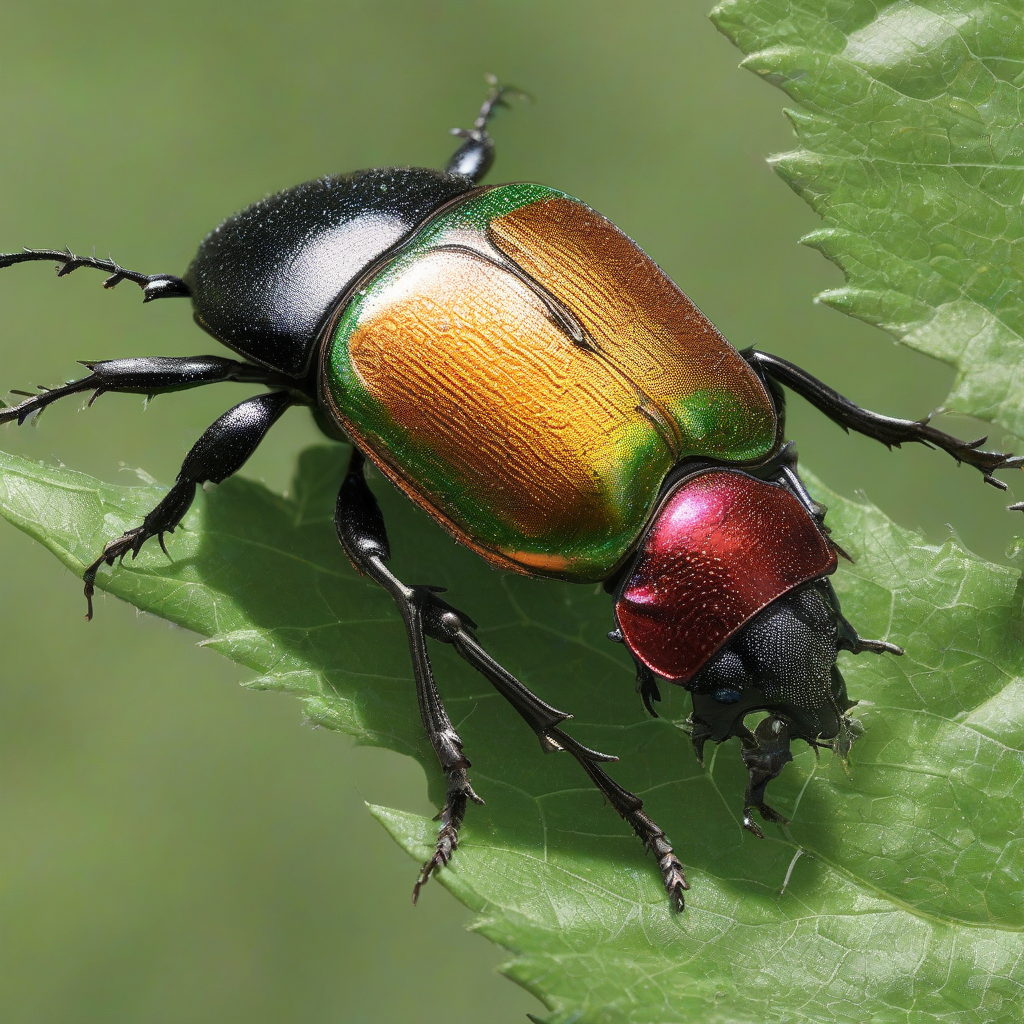
ST. JOHN’S – Officials have begun deploying traps across the metro region to combat the spread of the invasive Japanese beetle, as part of a coordinated effort to eradicate the pest from the area.
The operation, led by the department of forestry in coordination with the Canadian Food Inspection Agency, follows an increase in detections over the past two years that has forced authorities to expand the designated area of concern.
The current strategy focuses on early detection and the prevention of further establishment of the species, which is known for causing skeletonized leaf damage to various plant species and for posing a threat to lawns, ornamental trees, and agricultural crops.
Detection Trends and Geographic Expansion
The decision to expand the monitoring zone stems from a significant rise in the number of sites where the pest was identified last year. The department of forestry provided the following detection data, based on trapping and site inspections across the metro area:
- Last year: 100 detections identified across 26 separate sites.
- 2024 to date: 14 pests identified at eight sites in the St. John’s area.
While these figures indicate a persistent presence in the region, officials stress that the 2024 tally reflects last season’s activity and follow-up monitoring, not the current emergence period. Although 14 pests were recorded in 2024, authorities say no beetles have been detected yet in the most recent monitoring window, as it is believed the insects have not yet emerged for this season.
Japanese beetles, first detected in North America more than a century ago, have since become a regulated invasive species in Canada because of their capacity to spread quickly and damage more than 300 plant species. In Newfoundland and Labrador, management actions are guided by the federal Japanese beetle plant protection directives, which set out national rules for surveillance, quarantine areas, and control measures.
Larvicide Application and Safety Protocols
To move beyond monitoring toward eradication, the government is implementing a larvicide application program. This method targets the beetle in its larval stage, when grubs feed on grass roots beneath the soil, before adults can emerge and cause further agricultural or environmental damage.
Department official Sabrina Ellsworth stated that there is hope the pest can be completely eradicated through this program, describing the current effort as an intensive, multi-year push to stay ahead of the beetle’s life cycle.
Ellsworth clarified that the larvicide used in the operation is regulated and approved by Health Canada and applied in accordance with federal pesticide-use rules. According to Ellsworth, the chemical application is designed to be targeted and will not harm humans, pets, birds, or bees when used as directed.
Similar larvicide treatments are used in other jurisdictions dealing with Japanese beetle outbreaks, where early intervention is considered critical to avoid costly, long-term damage to parks, sports fields, and residential lawns.
Public Reporting and Containment
The government is requesting public assistance to identify new infestations. Because the beetles are colorful and distinct – metallic green with copper-brown wing covers – residents are encouraged to monitor their gardens, lawns, and ornamental plants throughout the summer flight period.
Officials have issued specific instructions for those who encounter the insect to ensure the specimens remain viable for laboratory confirmation and to support decisions on where to focus control work:
- Do not squish the beetles.
- Capture the insects in a sealed jar or other escape-proof container.
- Contact government officials immediately to report the find and arrange pickup.
Authorities note that keeping specimens intact helps distinguish Japanese beetles from similar-looking native species and guides whether additional traps, larvicide applications, or movement restrictions on soil and plant material are needed in that neighbourhood.
The deployment of traps continues across the metro region as officials monitor for the emergence of the current season’s population. Residents in the expanded zone are being advised to follow any forthcoming guidance on lawn care, movement of sod and soil, and disposal of garden waste, as the province weighs further measures to keep the pest from gaining a permanent foothold.
Related reading
