
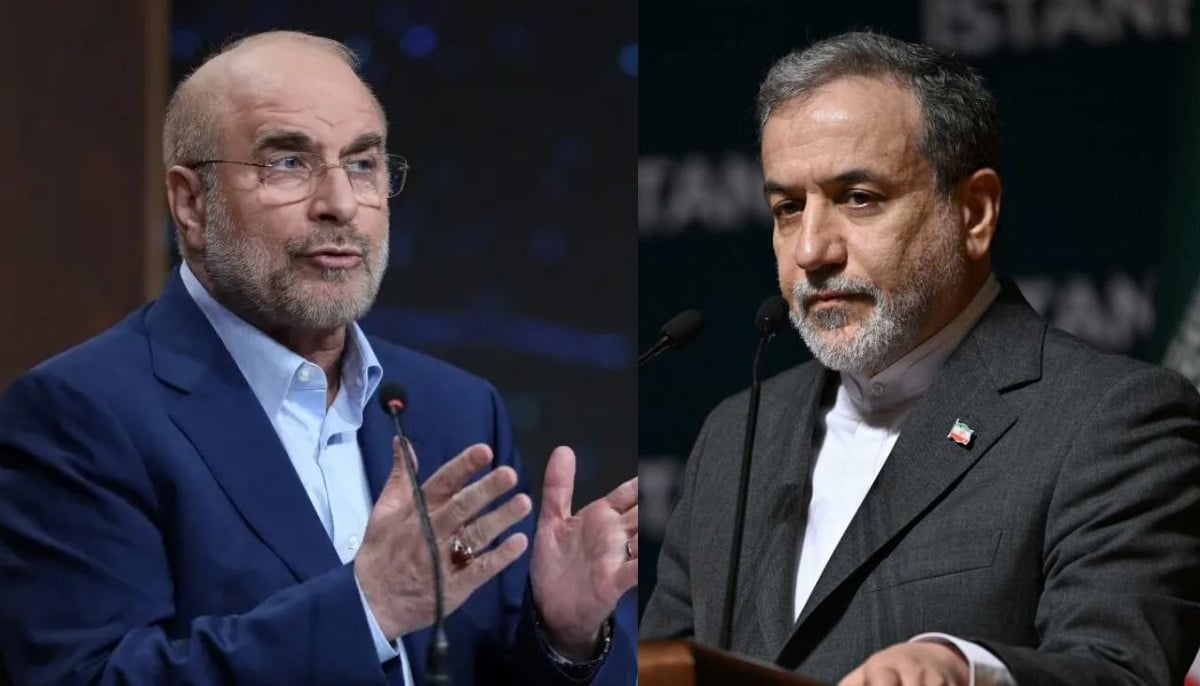
DOHA – A high-level Iranian delegation led by Foreign Minister Abbas Araghchi arrived in Qatar on Monday to engage in critical diplomatic negotiations aimed at defusing the escalating conflict between Tehran and Washington.
The arrival of the delegation signals an urgent attempt to establish guardrails between the two adversaries as regional tensions reach a volatile peak. The presence of senior economic and political figures suggests the talks are intended to move beyond mere crisis management toward a structured agreement on several systemic points of contention.
The delegation includes Mohammad Bagher Ghalibaf, Iran’s chief negotiator in talks with Washington, and Central Bank Governor Abdolnaser Hemmati. The inclusion of the Central Bank Governor highlights the central role that financial assets and sanctions relief are expected to play in any potential breakthrough.
“The focus of the delegation’s visit to Doha is on issues relating to the Strait (of Hormuz) and highly enriched uranium,”
a diplomat briefed on the visit told CNN.
The negotiations are unfolding against a backdrop of precarious security in the Persian Gulf. The Strait of Hormuz, through which approximately one-fifth of the world’s total oil consumption passes daily, remains a primary flashpoint. Any disruption to shipping in this narrow waterway has immediate implications for global energy prices and international maritime trade.
Beyond maritime security, the talks address the critical threshold of Iran’s nuclear capabilities. International monitors have previously expressed alarm over Tehran’s stockpiling of uranium enriched to levels near weapons-grade, a move that has historically pushed the region toward the brink of military confrontation. At stake is the future of the nuclear non-proliferation regime in the region and the durability of commitments set out under the global safeguards system that governs civilian nuclear programs.
The Financial Nexus and Frozen Assets
A pivotal component of the current diplomatic push involves the release of Iranian frozen funds. These assets, held in various foreign jurisdictions due to stringent U.S. sanctions, represent a significant source of liquidity for the Iranian economy, which has been crippled by years of international pressure.
The diplomat noted that discussions are expected to cover these funds as part of a memorandum of understanding currently under negotiation between Tehran and Washington. The release of these assets is frequently used by the United States as leverage to secure Iranian compliance with nuclear restrictions and a cessation of regional hostilities.
U.S. measures targeting Iran’s banking and energy sectors are grounded in a web of sanctions authorities, including executive orders and legislation, that give Washington broad discretion to block or free assets as political conditions change. For Iranian officials, any phased unfreezing of funds is likely to be judged not only as an economic lifeline but as a test of whether Washington is prepared to move from ad hoc crisis bargaining toward a more predictable sanctions policy.
The movement toward a memorandum of understanding indicates a shift toward a transactional diplomatic framework, where financial concessions are tied directly to verifiable security guarantees and to clear benchmarks for compliance that can be monitored by international agencies and national regulators.
Qatar’s Strategic Mediation
Doha has emerged as the primary conduit for these communications, leveraging its unique geopolitical position. Qatar maintains a complex balancing act, hosting the Al Udeid Air Base-the largest U.S. military installation in the Middle East-while simultaneously maintaining deep diplomatic and economic ties with Iran.
This dual relationship allows Qatar to act as a trusted intermediary when direct communication between Washington and Tehran is politically impossible. Qatari officials frame the dialogue as part of a broader effort by Gulf governments to keep channels open even as military posturing intensifies on all sides.
However, the risk of mediation is high; Doha was among the countries targeted during Iran’s recent retaliatory strikes following U.S.-Israeli operations, underscoring how quickly spillover from the conflict can threaten states that are trying to stay formally neutral while facilitating back-channel talks.
The current efforts in Doha represent a broader attempt by Gulf states to prevent a wider regional conflagration that would destabilize the global economy and disrupt the fragile security architecture of the Middle East. Energy-importing nations in Europe and Asia are watching closely, aware that a miscalculation in the Gulf could reverberate through inflation, supply chains and domestic politics far beyond the region.
The talks are being conducted as part of an ongoing effort to find a sustainable solution to Iran’s nuclear program and to establish a permanent mechanism for shipping security in the Strait of Hormuz. Diplomats involved in the discussions say any eventual framework would need to be compatible with existing international maritime law, including the UN Convention on the Law of the Sea, which guarantees freedom of navigation through key chokepoints while allowing coastal states to protect their security.
The diplomatic status of the talks remains contingent upon the verification of nuclear milestones and the formalization of the memorandum of understanding regarding frozen assets. Officials caution that no binding accord is expected in the immediate term, but stress that even a limited understanding on de-escalation and financial relief could buy time for negotiators to test whether the current crisis can be translated into a more durable security and economic arrangement for the Gulf.
Keep reading
- Global Food Security Alliances: How Climate-Resilient Agricultural Corridors Are Stabilizing Wheat and Rice Supplies
- Cross-Border Renewable Energy Grids: North Sea and Mediterranean Subsea Cable Networks Enter Phase Two
- Nuclear Clock vs. Atomic Clock: What Vienna and Beijing Actually Built (daybreakwire.com)
