
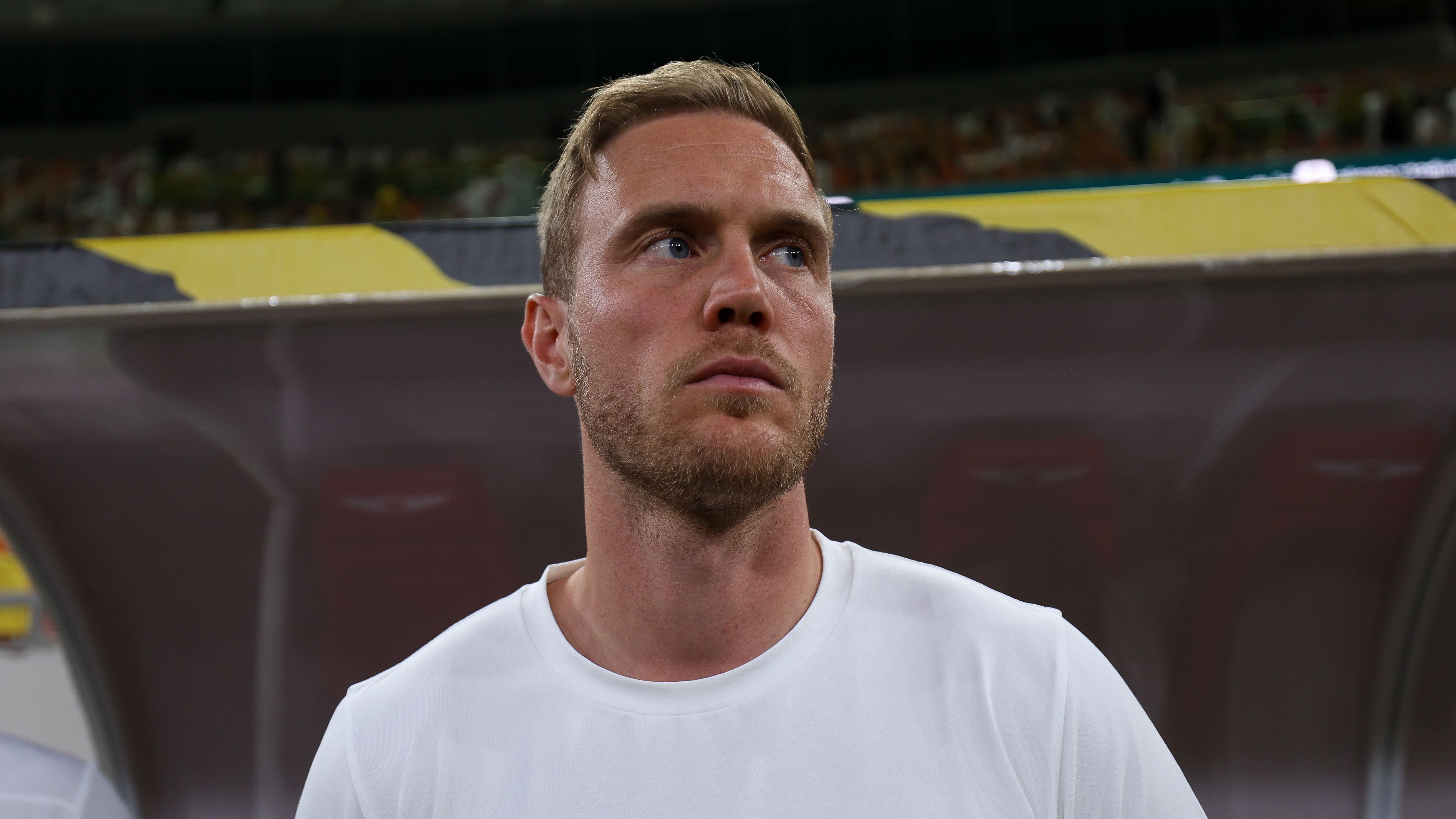
Under Fire but Backed: Why Al-Ittihad Are Standing by Jens Wissing
Jens Wissing is under sustained pressure at Al-Ittihad. The German coach has seen questions mount over his future after a run of poor results, with fans and sections of the local media turning on him following the 3-2 Clasico defeat to Al-Hilal in the Roshn Saudi League and the subsequent 2-1 loss to the UAE’s Shabab Al-Ahli in the AFC Champions League Elite.
While the mood around the team has darkened, the club’s leadership have adopted a very different stance from the angry stands.
Results that Turned the Mood
Two games have crystallised the current debate around Wissing.
- Roshn Saudi League: 3-2 defeat to Al-Hilal in the domestic Clasico
- AFC Champions League Elite: 2-1 defeat to Shabab Al-Ahli of the UAE
Both fixtures mattered in different ways. The Clasico against Al-Hilal is one of the most high-profile matches in the Saudi calendar, shaping domestic momentum and public perception well beyond the immediate points at stake within the Roshn Saudi League. The setback against Shabab Al-Ahli came on the continental stage in the revamped AFC Champions League Elite, where performances contribute to club prestige and regional standing.
In each match, defensive errors proved costly. Against Al-Hilal, those mistakes directly undermined Al-Ittihad’s efforts to take something from a game charged with both competitive and symbolic importance. The same issues resurfaced against Shabab Al-Ahli, where the side conceded twice from situations Wissing later described as easy to avoid, losing a game he had hoped would restore some of the confidence lost domestically.
Board Backs Long-Term Project
Despite the rising criticism, media reports citing an official source inside Al-Ittihad state that the board has no intention of dismissing Wissing in the present period. Club decision-makers view him as a coach heading a long-term project and intend to give him the backing required to deliver the institution’s broader objectives.
Wissing, who was appointed last July on a contract running until 2028, was hired with a multi-season horizon in mind rather than as a short-term firefighter. That commitment is now being tested by a restless public, but internally the emphasis remains on stability.
The board’s approach reflects a strategic choice that runs counter to the rapid churn seen at many ambitious clubs: instead of reaching for another change only months into his tenure, they are prioritising continuity in the technical staff and the development of a more stable system on the pitch.
Defensive Fragility at the Heart of the Crisis
At the core of the pressure on Wissing is Al-Ittihad’s defensive vulnerability in key moments. The recent defeats have exposed structural and decision-making issues rather than isolated lapses.
In both the Al-Hilal Clasico and the Shabab Al-Ahli tie, Al-Ittihad’s back line struggled to manage transitions and individual responsibilities, leading to goals that shifted the balance of tightly contested games. For a club with expectations of competing deep into the domestic title race and maintaining a strong presence in Asia, such recurring problems carry direct implications:
- Every dropped league point risks loosening the club’s grip on the upper reaches of the Roshn Saudi League table.
- Continental setbacks in the AFC Champions League Elite can affect the club’s medium-term sporting and commercial positioning in the region.
Wissing has publicly acknowledged that his team did not reach the required level in the Asian fixture, stressing the need to analyse those mistakes and work on correcting them. That process will be central to whether the board’s patience translates into improved results.
High Expectations After a Positive Start
Part of the intensity of the current reaction lies in how Al-Ittihad began the season. A positive start raised expectations inside the fanbase and across Saudi football, with supporters anticipating sustained performances that would match the club’s investment and stature.
Those early signs of promise have made the subsequent dip feel sharper. For many fans, the defeats to Al-Hilal and Shabab Al-Ahli are not isolated setbacks but worrying indicators that the team is drifting away from the standards required to compete for major honours at home and abroad.
Within that context, the board’s decision to stand firm on Wissing sends a clear message about internal governance: short-term turbulence will not automatically trigger technical upheaval. Instead, responsibility is being placed on the existing staff to adapt and correct course.
What the Board Expects in Return
The expectations set out for Wissing are explicit. In exchange for their continued backing, club leaders want to see clear progress in several areas:
- Addressing defensive gaps that have repeatedly cost the team in high-stakes fixtures.
- Sharpening decision-making on the pitch, particularly in managing leads and high-pressure phases of play.
- Translating the promise of the early season into a more consistent, results-driven run in both domestic and continental competition.
The message from the boardroom is not simply one of loyalty; it is conditional confidence. The intention is to empower Wissing to implement his ideas fully, but with the expectation that tangible improvement follows.
A Crucial Stretch Ahead
With emotions running high around the club, the coming matches will serve as a practical referendum on the decision to keep faith with the German coach.
For Wissing, navigating this period successfully could recalibrate the narrative from crisis to consolidation, easing external pressure and strengthening his authority in the dressing room. For Al-Ittihad, it is a test of whether a long-term vision can withstand the volatility that accompanies a major Saudi club competing simultaneously for domestic pride and Asian relevance.
Ultimately, the question now is not only whether Wissing can restore balance on the pitch, but whether the club’s resolve to stay the course will be rewarded by results that once again align with Al-Ittihad’s ambitions.
