
Klopp Ends Germany’s Goalkeeper Debate by Backing Ter Stegen
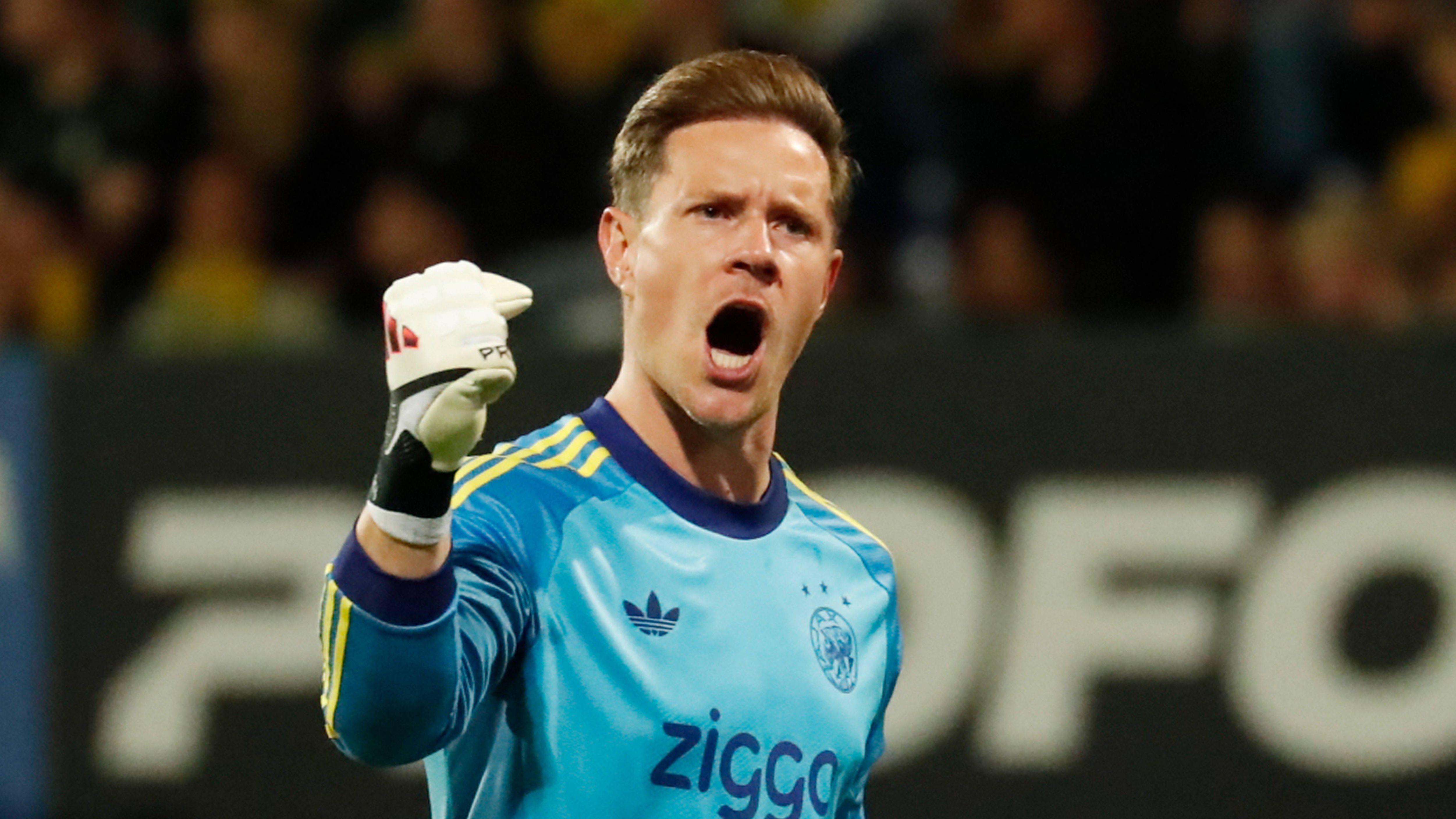
The battle for the German goal has finally reached its conclusion as Jürgen Klopp has officially handed the gloves to Marc-André ter Stegen. After years of playing understudy to the legendary Manuel Neuer, the Barcelona-owned shot-stopper, currently rebuilding his form on loan at Ajax, has been given a clear vote of confidence by the new national team boss.
Speaking on the decision, Klopp was emphatic about the need for a settled presence at the back. “Yes, for the moment, there is one, Marc-Andre ter Stegen,” the former Liverpool manager confirmed when asked if he has a first-choice goalkeeper. The coach is clearly looking to build a new identity for Die Mannschaft, but he believes that any progress must be rooted in veteran leadership and a clearly defined hierarchy in goal.
A New Number One After a Long Apprenticeship
Ter Stegen’s elevation closes a chapter that has run through several major tournaments. For much of the past decade, Germany’s goal has been synonymous with Neuer, whose performances helped define an era of the national team. Ter Stegen, despite his status as a leading goalkeeper at club level, has frequently found himself in a supporting role.
The current campaign at Ajax has taken on added importance in this context. A high-profile loan move from Barcelona has offered regular minutes and an environment to sharpen match rhythm and confidence. That club platform now serves as the springboard for a new chapter with the national side, where he is being tasked with translating club form into international authority.
Why Stability in Goal Matters for Germany’s Rebuild
Klopp’s insistence on naming a single first-choice goalkeeper is more than a personal preference; it reflects a wider understanding of how elite national teams operate. At this level, defensive cohesion often depends on a stable triangle of goalkeeper and central defenders who build automatisms over time rather than rotating under pressure.
For Germany, that stability carries tangible competitive implications. In qualification campaigns and tournament knockouts, where margins can be minimal, a settled presence behind the back line reduces uncertainty in:
- Defensive organisation, particularly when defending set pieces and transitions
- Build-up play, with the goalkeeper acting as a reliable outlet under pressure
- Leadership in high-stress phases, such as extra time or penalty shootouts
By publicly identifying Ter Stegen as his number one, Klopp also simplifies the internal dynamics of the squad. Goalkeepers now understand their roles within the pecking order, and outfield players can adapt to a consistent voice and style of communication from behind them.
Balancing Legacy and Transition
Any decision involving Neuer inevitably touches on legacy. The long-time Germany captain has been central to some of the national team’s highest moments, and his influence extends beyond shot-stopping to leadership within the dressing room. Klopp’s call does not erase that history, but it formalises a transition that has increasingly felt inevitable as new cycles of players emerge.
The emphasis on veteran leadership in the current setup is not limited to age or caps; it is about experience at the highest level. Ter Stegen brings years of competing for major honours in club football and has worked under sustained scrutiny in European competition. That profile fits a manager intent on giving Germany a clearer spine while still managing a generational shift.
Institutional Framework Behind the Decision
The clarity around the goalkeeping role also sits within the broader structure of German football governance. The national team operates under the authority of the
German Football Association, which is responsible for long-term strategic planning, youth development, and the appointment of the national coach. Klopp’s move to end the goalkeeping debate aligns with an institutional push in recent years to re-establish a clear competitive identity at international level.
Within that framework, the head coach retains autonomy over selection and tactical direction. Naming Ter Stegen as the current first choice is therefore both a footballing and a structural statement: it signals how the national setup intends to balance continuity, accountability, and performance criteria in a highly scrutinised position.
Ter Stegen’s Task: Turn Trust into Tournament Impact
The immediate challenge for Ter Stegen is to convert this public endorsement into consistent performances during competitive fixtures. As Germany navigates qualification windows and prepares for major tournaments run under the regulations of
UEFA, the goalkeeper’s form will be central to whether Klopp’s attempt to rebuild from the back takes hold.
For the player, the decision offers a clear runway: a defined role, responsibility for setting standards in training, and the opportunity to anchor a new era of the national team. For Germany, it represents a strategic bet that resolving one of the most contested positions can provide the stability needed to focus on broader tactical and structural evolution.
Related reading
