
New measles exposure alerts issued for Winkler, Manitoba
Public health officials with Manitoba Health, Seniors and Long-Term Care have identified three public exposure sites linked to a confirmed measles case in southern Manitoba. Individuals who were at the affected Winkler locations during the times listed below are being asked to self-monitor for symptoms through the specified end dates in February 2026. The guidance is part of Manitoba’s legislated public-health response to communicable diseases, carried out under the province’s Public Health Act.
“Public health officials will continue to monitor the situation and will provide updated information as necessary. The number of measles cases in Manitoba will be updated weekly on the measles webpage each Friday.” Officials say this reporting cadence is intended to give local clinics, schools and municipal leaders a consistent view of risk as the incubation window unfolds.
Where and when potential exposures occurred
The confirmed case moved through three high-traffic community locations over a four‑day period, triggering targeted alerts rather than a community‑wide advisory. People who were present at the times below are considered potentially exposed:
| Location | Address | Exposure window (local time) | Monitor for symptoms until |
|---|---|---|---|
| C.W. Wiebe Medical Centre Urgent Care | 385 Main St., Winkler | January 23, 2026, 5:00 p.m.-7:00 p.m. | February 14, 2026 |
| Dynacare Laboratory and Health Services Centre | 130-385 Main St., Winkler | January 26, 2026, 8:00 a.m.-10:30 a.m. | February 17, 2026 |
| Gardenland Co‑op (formerly Winkler Co‑op Food Store) | 370 Main St., Winkler | January 26, 2026, 8:30 a.m.-10:40 a.m. | February 17, 2026 |
Those who were not at these locations during the specified windows are not considered part of the current exposure cohort but are still encouraged to review their routine measles immunization status.
Who should review immunization status and why it matters
Public health is asking anyone who was at these locations during the specified times to check their immunization records and ensure they are up to date with measles vaccine (MMR or MMRV). Because measles can spread quickly in under‑immunized pockets even when provincial coverage is high overall, authorities are emphasizing individual record checks rather than relying on historical community averages.
For those born in 1970 or later with no documented measles vaccine and no history of measles infection, the program guidance is:
- “Measles vaccine is recommended.”
- “Reduce exposures with others, especially anyone who has a weakened immune system or is unimmunized, from the fifth day after exposure to the 21st day after the latest exposure.”
- “Watch for symptoms of measles until the date that corresponds with their situation as indicated above.”
- “Certain people should not get the measles vaccine including infants less than six months of age, pregnant women and people with weakened immune systems. These individuals should contact their health-care provider or public health as they may be eligible for preventative treatment (within six days of exposure).”
- “Close contacts may be asked by public health to isolate and consider vaccination.”
Residents who are unsure of their vaccination history can contact their primary‑care provider or local public‑health office to verify records, including doses received in other provinces or countries.
Symptoms, transmission, and timing
Health officials stress that understanding the typical course of measles infection is critical for deciding when to seek care and when to stay home to protect others.
- “Symptoms of measles generally appear seven to 21 days after exposure.”
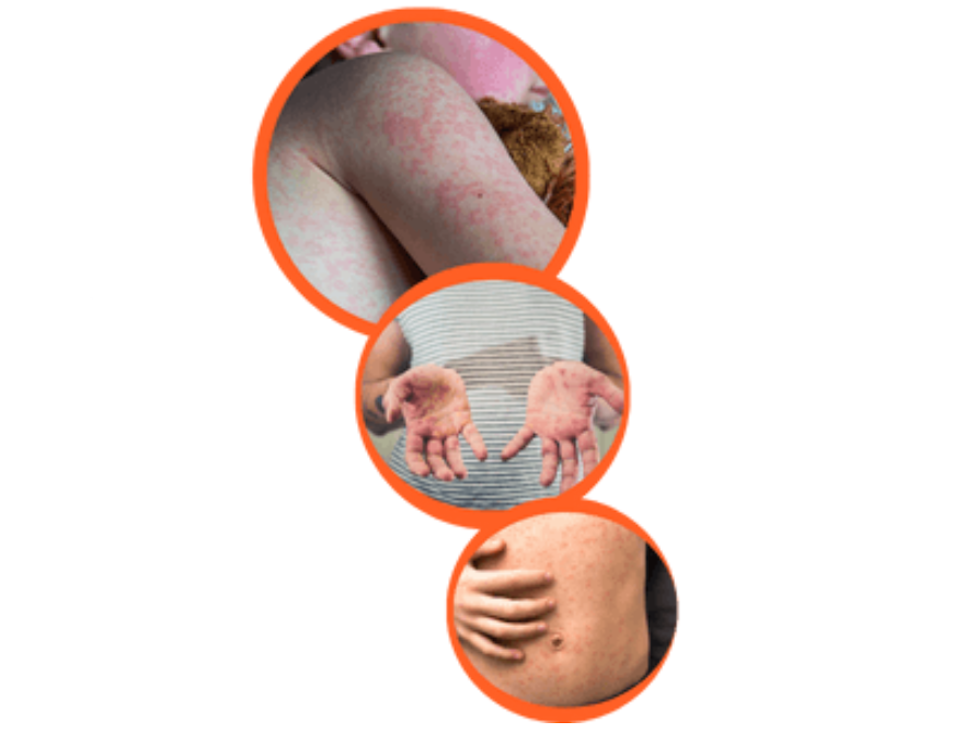
- Early signs can include fever, runny nose, drowsiness, irritability, and red eyes; small white spots may appear inside the mouth or throat, followed by a red blotchy rash that starts on the face and moves downward.
- “Measles is a highly infectious communicable disease that is spread through droplets in the air formed when coughing or sneezing. An infected person can spread the virus from four days before the rash appears until four days after. The disease tends to be more severe in infants and young children and can be life-threatening.”
Because people are contagious before the rash is visible, Manitoba’s advice to self‑monitor and reduce contact during the full 21‑day window is designed to interrupt silent chains of transmission.
Program measures now in effect
The current response combines individual case management with system‑level surveillance intended to prevent additional clusters in southern Manitoba.
- Case investigation and contact tracing focused on the exposure windows listed above.
- Post-exposure risk assessment for susceptible contacts, including eligibility for time-limited preventive options (within six days of exposure) for people who cannot receive vaccine.
- Targeted messaging to reduce secondary transmission during the highest-risk period (day 5 through day 21 after exposure).
- Weekly public reporting cadence for measles case counts in Manitoba each Friday.
Local schools, childcare centres and health facilities in the region have been advised of the exposure windows so they can align their own precautions with provincial guidance.
System capacity and coverage thresholds
Measles remains one of the most contagious vaccine‑preventable diseases, meaning public‑health systems must maintain both high routine coverage and the ability to surge quickly when a case is detected.
- High community vaccination coverage-approaching 95% with two MMR doses-is typically required to interrupt measles transmission due to the virus’s very high contagiousness.
- Healthcare settings in affected areas are implementing standard airborne precautions to limit in-facility spread while maintaining access to urgent and routine services.
- Laboratory support for rapid measles testing and genotyping underpins timely public-health decision-making during the 7-21 day incubation window.
Provincial officials note that Winkler’s experience will inform readiness planning for other Manitoba communities where vaccination coverage may be uneven across age groups or neighborhoods.
Vaccine access and eligibility in Manitoba
The current alert does not change Manitoba’s province‑wide vaccine eligibility rules but does clarify how they are applied in an exposure setting.
- Routine schedule: two-dose measles vaccine program (MMR or MMRV) for children at ≥1 year of age and again at 4-6 years.
- In an exposure context, the second dose may be offered earlier than ages 4-6 years when indicated.
- There is an outbreak eligibility pathway for some children aged six months to under 12 months. Details are available on the province’s MMR vaccine eligibility page.
- General information on measles, exposures, and immunization is maintained on Manitoba’s provincial measles information page.
Clinics in the Southern Health-Santé Sud region are expected to prioritize appointments for individuals identified as close contacts or those lacking documented vaccination.
Equity and populations at elevated risk
Public health officials underline that measles does not affect all residents equally, and that provincial policy now explicitly considers equity when deploying outbreak resources.
- Infants too young to be routinely vaccinated, pregnant individuals, and people with weakened immune systems face higher risks of severe outcomes and may require tailored preventive options after exposure.
- Unimmunized or under-immunized groups-including those with incomplete records or recent arrivals without accessible documentation-are more likely to be affected during community spread.
- Rural and remote residents can face logistical barriers to vaccine access and follow-up; coordination across primary care, public health, and laboratories is central to equitable outbreak response.
Manitoba Health has asked local providers to flag barriers such as transportation, language or limited clinic hours so that regional planners can adjust outreach and ensure that high‑risk groups are not left behind in the response.
Reporting cadence and public information
Officials emphasize that how people seek care matters both for their own health and for protecting others in clinics, emergency departments and waiting rooms.
- “If symptoms develop, individuals who may have been exposed are advised to isolate at home and contact their health-care provider and advise them of the potential exposure to measles. Anyone else in the household who is unimmunized should limit exposure to others until the symptomatic person has received advice from their health-care provider. It is best to call ahead so health-care staff can take steps to reduce the exposure of other people to the virus.”
- For questions, Health Links-Info Santé is available at 204‑788‑8200 (Winnipeg) or 1‑888‑315‑9257 (toll‑free in Manitoba).
Weekly provincial updates, combined with local advisories and phone triage through Health Links-Info Santé, are intended to provide a consistent information stream as authorities watch for any sign that the Winkler exposure has led to secondary cases.
Worth a look
