
LONDON –
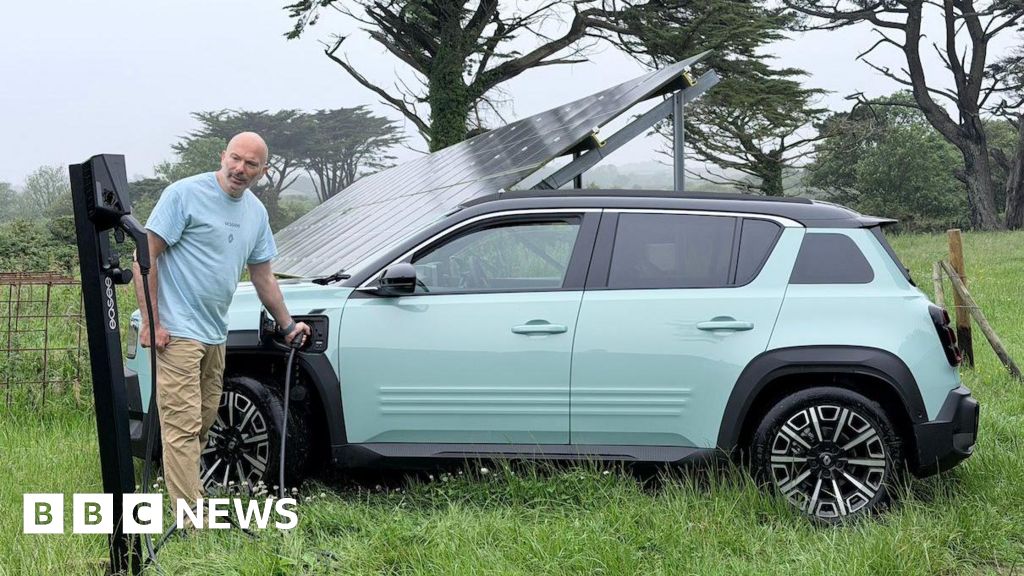
Andrew Giddins has initiated a transit across the United Kingdom utilizing a solar-powered vehicle. The project involves navigating the geography of the UK to evaluate the operational capacity of solar energy in a region characterized by inconsistent sunlight and variable weather patterns.
The attempt functions as a public demonstration of sustainable transport technology. By attempting a long-distance journey without reliance on traditional grid-based charging, the project tests the intersection of renewable energy integration and automotive endurance within a specific cultural and environmental context. It also offers a live, highly visible case study for policymakers seeking to decarbonize road transport under the UK’s statutory net zero commitments.
Technical Objectives of the Transit
The vehicle is designed to convert sunlight directly into electrical energy to power its motor. The primary objective is to determine if the energy captured by the onboard solar arrays is sufficient to maintain propulsion over a sustained period across the UK’s road network, without routine recourse to external charging infrastructure.
The project focuses on the efficiency of the solar cells and the energy management systems required to balance power consumption with the intermittent nature of solar gain. This involves managing battery reserves to ensure the vehicle remains operational during periods of heavy cloud cover or overnight transit, while gathering performance data on charging rates, range and degradation across different road types and elevations.
Engineers involved in the project are tracking metrics commonly used by the wider solar industry-such as capacity factor and conversion efficiency-to compare real-world yields from a mobile platform with those achieved by fixed rooftop systems and emerging plug-in “balcony solar” kits that feed directly into household consumption.
Environmental and Logistical Constraints
The transit faces significant challenges due to the UK’s climate. Solar-powered transport is typically optimized for high-irradiance environments, making a cross-country UK journey a test of the technology’s viability in low-light conditions that are closer to what ordinary British motorists experience year-round.
Logistical factors include:
- Variable weather patterns affecting energy intake over the course of a single day
- Vehicle aerodynamics and weight constraints to maximize efficiency without compromising safety
- The requirement for strategic route planning based on weather forecasts and topography
- Coordination with local authorities where necessary to ensure compliance with road safety and pilot-project regulations
The project monitors how the vehicle performs under real-world conditions, moving beyond controlled testing environments to assess the practical application of solar-integrated mobility in northern latitudes. The data are expected to inform future standards discussions around vehicle-integrated photovoltaics as the UK updates its transport and energy policies under the Climate Change Act 2008.
Policy and Market Relevance
Although framed as an experimental journey, the transit touches directly on questions facing regulators and industry: how far small-scale, distributed solar solutions can offset grid demand, and whether mainstream consumers will accept vehicles that harvest their own power, even partially. The government’s broader push toward electrification has so far centered on grid-charged battery electric vehicles and residential solar installations from established providers such as SunPower, leaving mobile solar applications largely at the prototype stage.
By documenting both the limitations and breakthroughs of a solar-only crossing, Giddins’ team aims to provide evidence that can be used by transport planners, standards bodies and local councils as they weigh infrastructure investments, pilot schemes and potential incentives for vehicle-integrated solar in the years ahead.
The transit remains in the execution phase.
Related reading
