
BEIRUT – A precarious diplomatic effort to secure a deal between the United States and Iran is facing a critical breakdown as military escalations in Lebanon emerge as the primary obstacle to a resolution.
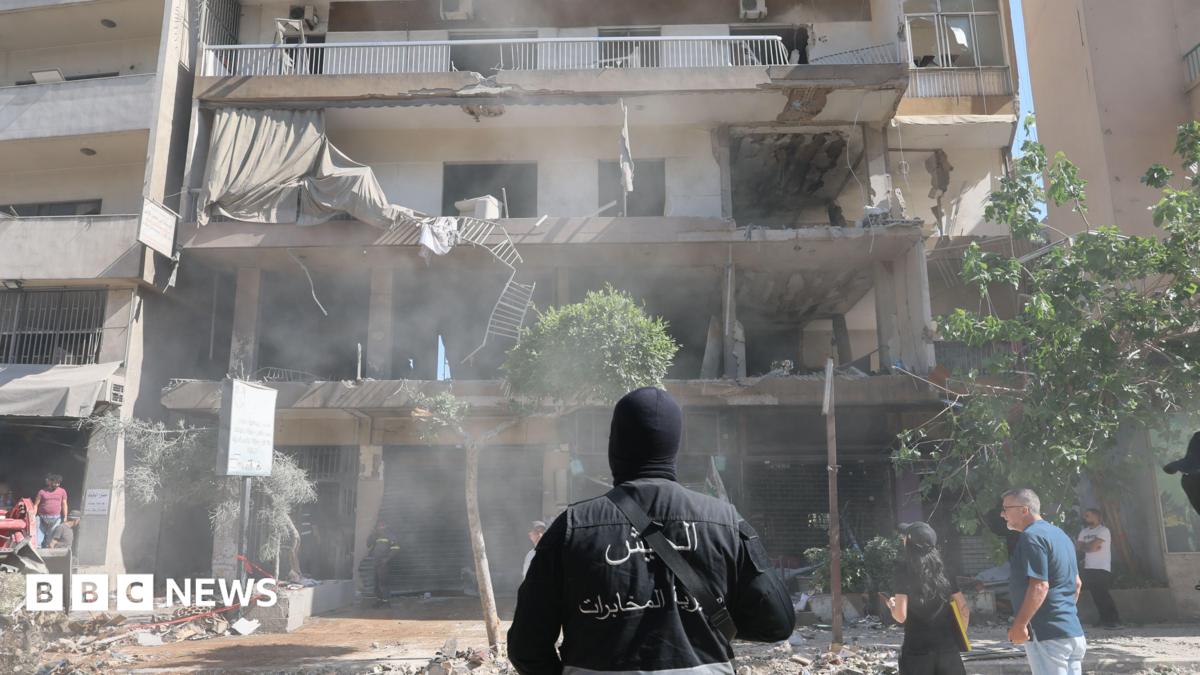
The fragility of the negotiations was underscored by a recent Israeli airstrike targeting the southern suburbs of Beirut, the operational stronghold of the Iranian-backed Hezbollah. The strike has reignited tensions at a moment when diplomats were anticipating the potential signing of an agreement, effectively linking the fate of a global diplomatic framework to the volatile border conflict between Israel and Hezbollah.
This impasse represents a strategic collision between Tehran’s regional ambitions and Israel’s national security imperatives. While the United States seeks a stabilized relationship with Iran to prevent nuclear proliferation and reduce regional volatility, Iran is increasingly utilizing its “Axis of Resistance”-a network of proxies including Hezbollah-as a singular bargaining chip. By insisting that any truce must encompass the end of hostilities in Lebanon, Tehran is attempting to force a comprehensive regional settlement that would grant its allies a guaranteed survival and strategic foothold.
The Lebanon Leverage
The current crisis centers on a fundamental disagreement regarding the scope of the negotiations. Iran has maintained that a cessation of hostilities in Lebanon is a non-negotiable prerequisite for any broader agreement with the U.S., signaling that it views the Lebanese front as integral to its regional security doctrine and not as a peripheral battlefield.
Israel, however, has rejected this linkage. Israeli officials argue that the conflict with Hezbollah is a distinct security theater, separate from the overarching diplomatic struggle with the Iranian state. This position is bolstered by significant domestic pressure within Israel, where public support remains high for continued military operations to degrade Hezbollah’s capabilities and ensure the safe return of displaced citizens to northern Israel. Cabinet-level deliberations have increasingly framed the Lebanon campaign as a test of the state’s deterrence posture along its northern border.
The timing of the Beirut strikes has drawn intense scrutiny. While the Israeli military maintains the operation was a direct response to Hezbollah’s attacks on northern Israel, observers note the strikes occurred just as a deal appeared imminent. If Iran successfully links the two arenas, Israel may find itself in a position where it is forced to halt military activities in Lebanon to facilitate a broader geopolitical agreement, potentially constraining the Israeli government’s freedom of action in an active combat zone.
For Washington, the Lebanon linkage injects a volatile, third-party battlefield into what U.S. officials had hoped would remain a largely bilateral track focused on Iran’s nuclear program and sanctions relief. Any final understanding will have to be squared not only with the U.N. Charter’s principles on the use of force, but also with domestic political scrutiny in the U.S. Congress, where lawmakers closely monitor any reduction of pressure on Tehran.
Internal Israeli Dissension
Despite the military’s tactical successes in Lebanon, leaked details of the proposed U.S.-Iran deal have sparked alarm within the Israeli security establishment. There is a growing consensus in Jerusalem that the agreement fails to translate battlefield gains into a lasting strategic victory or a durable security framework for communities along the northern frontier.
The reaction among high-ranking officials suggests a deep sense of betrayal or misalignment with U.S. objectives. An Israeli military official, speaking to the Ma’ariv newspaper, described the terms of the leaked deal as:
“very bad” and “catastrophic” to the country.
This sentiment was echoed by a defense official speaking to N12, who stated that “none of the goals set by Israel have received an immediate response in the agreement.” The criticism reflects a concern that the proposed framework would freeze the current balance of power rather than dismantle the threat posed by Hezbollah’s entrenched infrastructure.
The divergence in objectives is highlighted by several key friction points:
- Strategic Depth: Israel seeks a permanent degradation of Hezbollah’s precision-missile arsenal and enforceable guarantees that the group cannot quickly reconstitute its capabilities along the border.
- Diplomatic Recognition: Iran seeks the lifting of sanctions and a formal recognition of its regional influence, including an implicit acknowledgment of its role in shaping security arrangements in Lebanon and Syria.
- U.S. Priorities: Washington is primarily focused on preventing a full-scale regional war and limiting Iran’s nuclear trajectory, while preserving room to enforce existing sanctions architecture and reassure allies that its security commitments remain credible.
These competing priorities have sharpened debates within Israel’s war cabinet and security agencies over how far Jerusalem can afford to diverge from its principal ally on Iran, and whether open opposition to the emerging deal would isolate Israel diplomatically at a critical moment.
Regional Escalation Risks
The collapse of the deal carries immediate risks of expanded kinetic warfare. Iran has explicitly vowed to respond to any Israeli strike on Beirut by launching direct attacks against Israeli territory, raising the prospect of a rapid escalation from proxy confrontation to state-on-state exchange.
This dynamic transforms the southern suburbs of Beirut into a tripwire for a larger confrontation. The interdependence of these fronts means that tactical decisions made by the Israeli Defense Forces (IDF) in Lebanon now have the potential to derail years of quiet diplomacy between Washington and Tehran and to pull regional actors into a conflict they have so far tried to contain.
Historically, Iran has used Hezbollah as a deterrent to prevent direct conflict with Israel, providing Tehran with a way to apply pressure without engaging in a full-scale war. The current Israeli strategy of targeting Hezbollah’s command structure in Beirut challenges this deterrent, potentially forcing Iran to choose between accepting a deal it finds insufficient or escalating the conflict to maintain its credibility with its proxies.
The full text of the agreement remains classified, and it is currently unclear if all terms had been finalized prior to the latest escalation. Iran remains committed to its demand for a linked truce, while Israel continues its military operations in Lebanon. For regional capitals and Western policymakers alike, the coming days will test whether a fragile diplomatic track can withstand the pressure of events on the ground – or whether Beirut’s skyline becomes the place where a prospective U.S.-Iran understanding finally unravels.
