
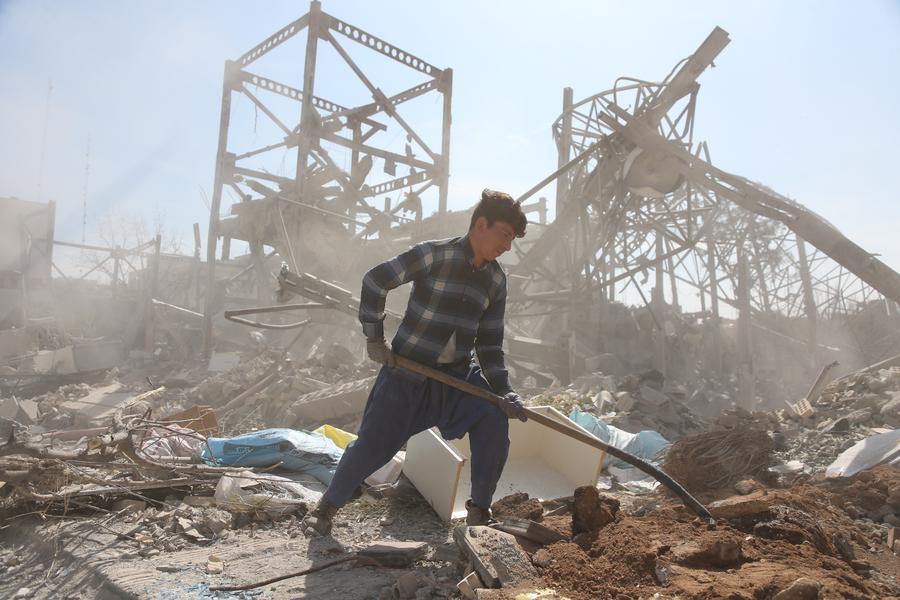
CAIRO – The United States and Israel’s joint military campaign against Iran has spiraled into a multi‑front regional emergency, with urban neighborhoods in Tehran and Tel Aviv damaged, southern Lebanon pummeled, and Jordan, Iraq and Gulf Arab states absorbing waves of Iranian missiles and drones. Türkiye, already battling inflation and a fragile currency, is contending with flight suspensions, airspace restrictions and market volatility. (commonslibrary.parliament.uk)
The strikes began on February 28, 2026, when Israel and the United States launched coordinated attacks on targets in Iran. Tehran responded with barrages aimed at Israel and at U.S. forces and partners across the region, jolting energy markets and paralyzing air travel corridors that connect Europe, the Middle East and Asia. (commonslibrary.parliament.uk)
Tehran and Tel Aviv reel as exchanges intensify
In Iran’s capital, multiple strikes have shattered civilian areas as well as security installations, complicating the government’s ability to maintain basic services while continuing military operations. Iranian authorities say dozens of schools were hit in recent days, including a deadly blast in the southern city of Minab; the Iranian Red Crescent has reported rapidly climbing nationwide fatalities since the first strikes. In Israel, direct hits and falling debris from Iranian missiles have damaged apartment blocks and shops around Tel Aviv, pushing residents to spend nights in underground rail and metro stations that authorities have repurposed as civil‑defense shelters. ([aljazeera.com](https://www.aljazeera.com/news/2026/3/2/iran-death-toll-reaches-555-as-us-israel-escalate-attacks?utm_source=openai))
“Igniting a chain of events that nobody can control in the most volatile region of the world.”
U.N. Secretary‑General António Guterres warned ambassadors in an emergency Security Council meeting on February 28, urging all parties to step back from escalation. His appeal underscored the stakes for the U.N. system, whose authority rests in part on the collective security framework set out in the U.N. Charter, even as permanent members remain sharply divided over responsibility for the crisis. ([un.org](https://www.un.org/en/middle-east-live-un-security-council-meeting-emergency-session-over-iran?utm_source=openai))
Southern Lebanon absorbs heavy strikes
Across the border, Israeli warplanes have struck targets in and around Sidon, including offices linked to Jamaa Islamiya (the Islamic Group), as part of a rapidly expanding northern front that intensified after Hezbollah launched projectiles into Israel this week. The campaign risks further straining Lebanon’s already fragile state institutions, including security forces and public hospitals, which have limited capacity to respond to mass‑casualty incidents. Lebanon’s Health Ministry has reported rising casualties from repeated sorties in populated districts. ([arabnews.com](https://www.arabnews.com/node/2635142/middle-east?utm_source=openai))
Jordan and Iraq become transit-and target-zones
Jordan’s armed forces say they have intercepted scores of drones and ballistic missiles aimed at its territory since February 28, with debris reported across several governorates. Officials in Amman frame the interceptions as both a national security imperative and a test of regional burden‑sharing, as the kingdom balances its defense commitments with domestic pressures over economic strain and refugee flows.
Farther east, Iraqi Kurdish authorities and local media in Erbil have reported repeated drone and missile attacks near the international airport and adjacent coalition facilities claimed by Iran‑aligned militias. The strikes are amplifying long‑running questions about Baghdad’s ability to assert authority over armed groups and to guarantee the security of foreign forces operating under bilateral and coalition arrangements. ([jordantimes.com](https://jordantimes.com/news/local/jaf-intercepts-49-drones-ballistic-missiles-ensures-no-casualties?utm_source=openai))
Gulf states on the frontline of Iranian retaliation
Iran has extended salvos across the Gulf, targeting countries that host U.S. forces and serve as critical nodes for global energy exports. In Bahrain, strikes near residential towers in Manama rattled neighborhoods not far from the U.S. Fifth Fleet, highlighting the vulnerability of host nations whose defense postures are deeply intertwined with American basing agreements. The UAE, Qatar and Kuwait have reported intensive barrages and interceptions; open‑source trackers and regional officials describe hundreds of drones and missiles engaged by layered defenses in recent days. For Gulf governments, the exchanges have quickly become a stress test of integrated air‑and‑missile defense systems that have been years in the making. ([stripes.com](https://www.stripes.com/theaters/middle_east/2026-03-01/bahrain-iranian-drones-sunday-20915170.html?utm_source=openai))
Airspace closures and aviation disruptions ripple across routes
Airlines have suspended or rerouted services as national authorities close or restrict skies over Iran and swaths of the Middle East, invoking their sovereign responsibility to protect civil aviation under the global rules coordinated by the International Civil Aviation Organization. Turkish carriers halted flights to Iran, Iraq, Syria, Lebanon and Jordan through March 6, and UAE carriers paused departures during peak barrages. By early March, cancellations and diversions through Istanbul, Dubai, Doha and Abu Dhabi caused cascading delays on Europe‑Gulf‑Asia corridors, complicating cargo movements and straining airport management systems built on tight turnaround schedules. ([aa.com.tr](https://www.aa.com.tr/en/turkiye/turkish-air-carriers-suspend-all-flights-to-iran-iraq-syria-lebanon-jordan-until-march-6/3846759?utm_source=openai))
Energy markets, nuclear oversight and the rules of war
Crude prices spiked to multi‑month highs as traders weighed the risk of disruptions around the Strait of Hormuz, through which roughly one‑fifth of global oil typically transits. Brent futures hovered above $80 per barrel on March 5 amid fears of prolonged closures and refinery strikes across the Gulf, prompting energy‑importing governments to revisit contingency plans for strategic stock releases and consumer‑price support. Meanwhile, the U.N. nuclear watchdog said it had seen no radiological release but warned that repeated strikes on or near nuclear‑related facilities underline the red‑line principle that such sites must never be attacked. The warnings feed into a broader debate over how existing laws of armed conflict apply to advanced missile warfare and dual‑use infrastructure in densely populated areas. ([investing.com](https://www.investing.com/news/commodities-news/oil-prices-rise-as-iran-conflict-widens-4542739?utm_source=openai))
Türkiye’s exposed economy braces for spillover
With energy costs jumping and investor nerves frayed, Turkish officials and analysts warn that elevated oil prices will complicate efforts to tame inflation and stabilize the lira. Ankara has emphasized de‑escalation while reinforcing border vigilance; flight suspensions and regional reroutes have immediate costs for carriers and exporters that rely on east‑west air bridges through Turkish hubs. For policymakers, the shock arrives just as the government had been signaling room for gradual monetary easing, forcing a reassessment of the balance between domestic political pressures and market confidence. ([paturkey.com](https://www.paturkey.com/news/2026/war-inflation-hits-ankara-rate-cut-hopes-vanish-as-iran-war-escalates-28418/?utm_source=openai))
How the escalation unfolded
- February 28, 2026 – Israel and the United States begin coordinated strikes on Iranian leadership, air defenses, missile and nuclear‑related infrastructure; the U.N. Security Council convenes an emergency session, exposing deep rifts among major powers over both Iran’s regional role and the use of force to contain it. ([commonslibrary.parliament.uk](https://commonslibrary.parliament.uk/research-briefings/cbp-10521/))
- March 1-3 – Iran launches missiles and drones at Israel and at U.S. forces and partners across the Gulf; residents shelter in Tel Aviv; airports and airspace across the region face rolling closures, triggering the first wave of global flight cancellations and insurance reassessments for overflight risk. ([reutersconnect.com](https://www.reutersconnect.com/item/israelis-shelter-in-underground-tel-aviv-rail-station-following-iran-strike/dGFnOnJldXRlcnMuY29tLDIwMjY6bmV3c21sX1ZBOTQzNDI4MDIyMDI2UlAx?utm_source=openai))
- March 3-4 – Israeli strikes intensify in Lebanon, including the Jamaa Islamiya site in Sidon; Jordan reports dozens of interceptions over its territory; multiple blasts hit the Erbil airport area, drawing in a wider array of regional security actors and complicating diplomatic ceasefire efforts. ([arabnews.com](https://www.arabnews.com/node/2635142/middle-east?utm_source=openai))
- March 5 – Gulf states remain on high alert as new waves of Iranian drones and missiles trigger interceptions over Kuwait and the UAE; oil benchmarks extend gains above $80, and finance ministries across Europe and Asia begin scenario‑planning for a protracted supply shock. ([aljazeera.com](https://www.aljazeera.com/news/2026/3/5/iran-fires-more-missiles-drones-across-gulf-region-amid-us-israeli-attacks?utm_source=openai))
As of March 6, 2026, cross‑border fire continued on multiple fronts, the U.N. Security Council remained divided after its emergency session, and airspace restrictions and travel suspensions persisted across several Middle Eastern countries. For governments from Washington to Brussels to Beijing, the crisis has rapidly shifted from a distant confrontation to a live test of crisis‑management tools, alliance commitments and the resilience of global supply chains. (nationthailand.com)
Related reading
