
BANGKOK – Thailand has entered a period of profound national mourning following the death of Princess Bajrakitiyabha, who passed away Thursday night at King Chulalongkorn Memorial Hospital at the age of 47.
The princess had remained in a coma for nearly four years after collapsing in December 2022. Her death marks the loss of a royal figure who, unlike many of her peers, had cultivated a public profile as a modernizing force within the Thai judiciary and a representative of the kingdom on the global diplomatic stage.
The passing of the only daughter of King Maha Vajiralongkorn removes a figure many geopolitical analysts viewed as a stabilizing influence and a potential future head of state, although the palace has never officially designated her as the heir apparent. This loss comes at a time of heightened sensitivity for the Chakri Dynasty, following the death of Queen Mother Sirikit in October 2025, and amid renewed scrutiny of the monarchy’s role in Thai politics after years of student-led protests and constitutional dispute.
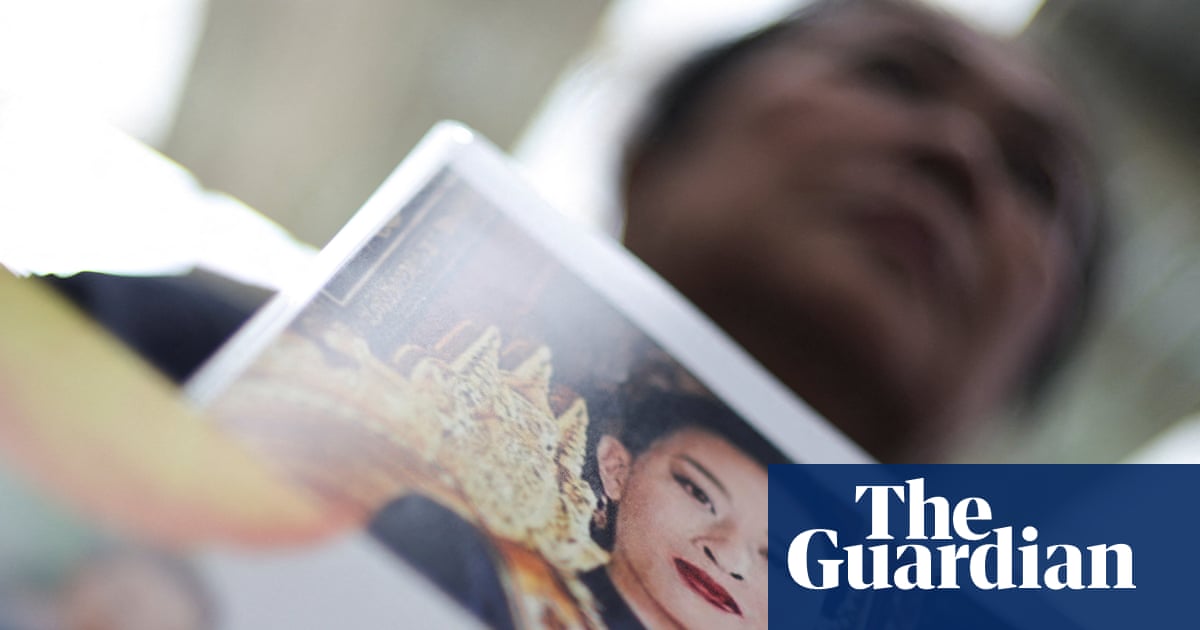
At the foyer of King Chulalongkorn Memorial Hospital, the atmosphere was one of quiet, humid desperation. Mourners dressed in black gathered in the 32C heat, many cradling portraits of the princess that spanned her life-from childhood images to photographs of her in red military dress, adorned with ceremonial swords and badges.
“I don’t believe she died,” said Sittinee Damaonsondpoan, a Thai language teacher who took leave from work to grieve. “The people of Thailand love her very much.” Damaonsondpoan added that the princess embodied the qualities of “everything good in Thailand: loyalty, kindness.”
The princess’s collapse in late 2022 occurred while she was training dogs, leading to a diagnosis of severe heart problems. For nearly four years, the royal household provided only sporadic updates on her condition, while the public remained in a state of suspended hope about whether a senior royal could return to public duties after such a prolonged coma.
Boonruksa Louhavitayarat, another mourner, arrived at the hospital Friday morning carrying a series of printed images of the princess at various stages of her life. “My heart is very deep[ly] sad,” Louhavitayarat said.
A Bridge Between Tradition and Modernity
Princess Bajrakitiyabha occupied a unique position within the Thai establishment. While the monarchy is traditionally shrouded in secrecy and rigid protocol, she was frequently seen as a bridge to the international community and the legal world, operating at the intersection of palace, courts and foreign policy.
Her contributions to the state were defined by several key pillars:
- Legal Scholarship: She held an LL.M. from Columbia University and served as a high-ranking official in the Attorney General’s Office, working within a justice system constrained by strict lèse-majesté provisions under Thailand’s Criminal Code and complex constitutional arrangements governing the monarchy’s status.
- International Diplomacy: She worked closely with the United Nations Office on Drugs and Crime (UNODC), specifically focusing on the Bangkok Rules on the treatment of women prisoners-the first recognized global standard for gender-responsive conditions of detention, which have been referenced by prison reform advocates well beyond Thailand.
- Social Reform: Her work focused on the intersection of human rights and criminal justice, attempting to modernize the Thai penal system, improve conditions for female inmates and children living with incarcerated mothers, and encourage closer alignment between domestic practice and international human rights norms.
Her policy-focused portfolio gave her rare visibility in a monarchy where senior royals seldom attach their names so directly to concrete legal frameworks. Diplomats in Bangkok often saw her initiatives as a way for Thailand to present a more reformist face in multilateral forums while maintaining the palace’s central symbolic role at home.
In a televised statement, Prime Minister Anutin Charnvirakul emphasized that the princess had dedicated her “strength and ingenuity to creating a society founded upon justice, equality and human dignity.”
“Her well-rounded abilities – as a legal scholar, diplomat and social worker – served as an enduring example, inspiring Thai people to believe in their own potential, strive for self-improvement, and use their knowledge for the benefit of society and the country,” Charnvirakul said.
The prime minister did not announce immediate policy measures but instructed relevant ministries to “carry forward her work,” a signal that some of her justice and prison-reform programs may be institutionalized rather than left as purely royal patronage.
National Mourning and Royal Protocol
The ripple effects of the announcement were immediate across Bangkok and other major cities. News websites transitioned to grayscale themes, television channels shifted to subdued programming, and public transport workers, including bus-ticket collectors, began wearing black ribbon pins. In the riverside district of Bang Rak, lottery vendors reported that tickets bearing the number 47-the princess’s age-had completely sold out, an echo of how royal milestones often ripple into everyday rituals and commerce.
The death triggers a series of highly codified royal funerary rites designed to transition the spirit of the deceased and allow the public to pay their respects, while also demonstrating the monarchy’s continuity to a national and regional audience. Government agencies and schools are expected to follow formal guidance on mourning dress, flag protocol and the suspension of some entertainment activities, underlining how closely state institutions remain tied to palace ceremony.
The official mourning schedule is as follows:
- Saturday: A royal funeral procession will transport the coffin from Chulalongkorn Hospital to the Piman Rattaya Throne Hall within the Grand Palace, in a carefully choreographed route that will be broadcast live nationwide.
- Public Participation: Following the procession, the public will be permitted to participate in royal bathing rites, a traditional ceremony involving the pouring of scented water over the deceased, adapted here as a symbolic act with officials and representatives standing in for the wider population.
The Prime Minister stated that the news has brought “profound sorrow and grief to Thai people throughout the Kingdom” and that no words could fully convey “the feelings of the Thai people for this great loss.” Senior officials at the Interior and Education ministries later indicated that detailed instructions on mourning periods and official events would be circulated to provincial governors and school directors.
The Royal Household Bureau has not yet issued a statement regarding the impact of the princess’s death on the official line of succession. Under Thailand’s current constitutional framework, any future designation of an heir or adjustment to royal titles would be communicated through palace decrees and, where necessary, acknowledged by parliament, making the bureau’s silence a focal point for diplomats and domestic observers watching how the institution navigates its next chapter.
Worth a look
- Global Food Security Alliances: How Climate-Resilient Agricultural Corridors Are Stabilizing Wheat and Rice Supplies
- Cross-Border Renewable Energy Grids: North Sea and Mediterranean Subsea Cable Networks Enter Phase Two
- Jay Clayton named White House AI czar by Trump to lead task force (globallypulse.com)
