
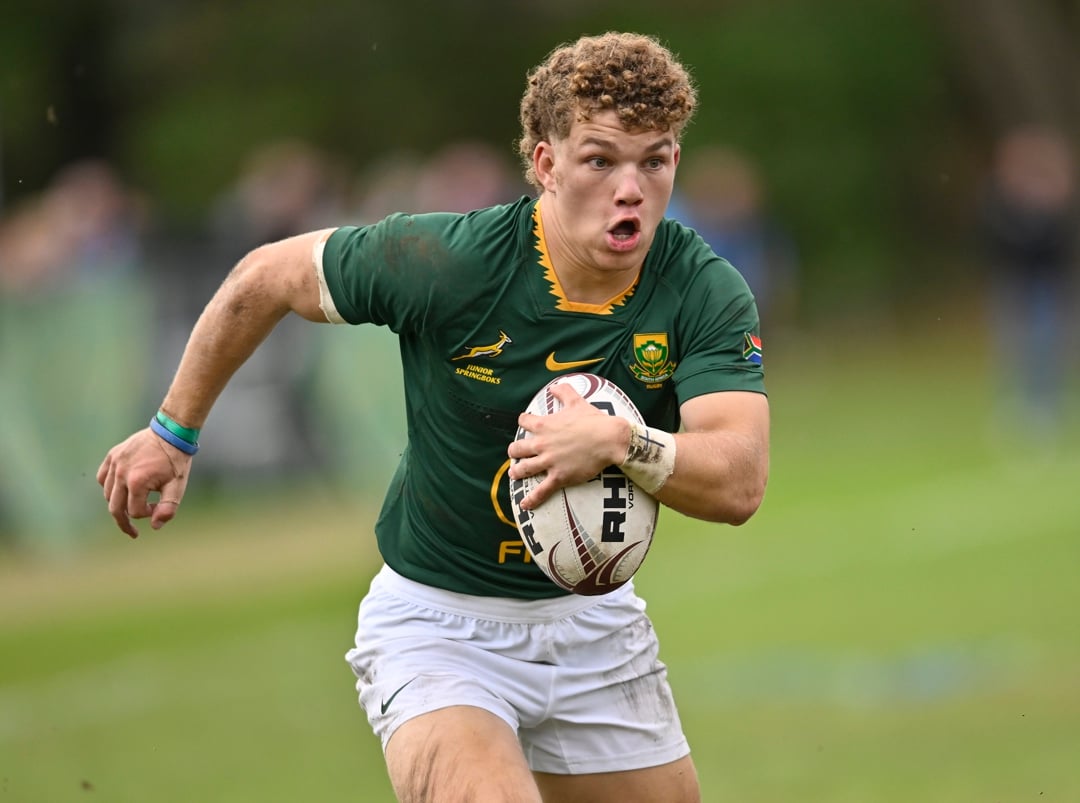
The Development Pipeline: Assessing the Rise of Luan Giliomee
The identification and progression of young talent remain the cornerstone of South African rugby’s sustained international success. Within this system, the Junior Springboks serve as the primary bridge between provincial youth rugby and the professional senior ranks, operating under the high-performance framework set by the South African Rugby Union and its alignment with World Rugby’s formal regulatory handbook.
Luan Giliomee has emerged as a prominent figure within this high-performance environment. As a standout performer for the Junior Springboks, Giliomee represents the next generation of athletes being groomed to maintain the competitive standards of the national setup, and to ensure that South Africa’s succession planning at key positions is not left to chance.
The Role of the U20 Pathway
The Junior Springbok program is designed to expose elite youth players to the pressures of international competition in a structured, regulated environment. By competing in sanctioned tournaments under the regulations of World Rugby, players develop the tactical discipline and physical resilience required for the professional game, while national selectors and performance analysts gain comparable data on how emerging players cope with travel demands, officiating standards and tournament compression.
For a player to be recognized as a star at this level indicates a high ceiling of potential. The U20 stage is where technical proficiency is refined, and players are integrated into the specific tactical philosophies that define South African rugby on the global stage. It also functions as a governance tool: decisions on central contracts, union academy investment and long-term depth charts increasingly draw on U20 performances, making this pathway an influential lever in how resources are allocated across the domestic game.
Implications for Senior Selection
The transition from the Junior Springboks to the senior national team is a critical phase in an athlete’s career. Success at the U20 level often serves as a leading indicator for future selection, as it demonstrates a player’s ability to perform under the scrutiny of international rugby and within the compliance standards expected of professional athletes. In recent World Cup cycles, several senior Springboks have followed this route, reinforcing the perception among coaches and administrators that the U20 tier is no longer optional but central to national planning.
Giliomee’s prominence in the youth ranks places him in a strategic position within the national talent pool. The ability to maintain form during this transition is essential for any player aspiring to secure a place in the senior squad, as the leap in physicality and game management between youth and professional rugby is significant. It is at this point that performance departments, medical teams and franchised unions must coordinate closely on player workload, with Giliomee’s progress likely to inform broader debates on player welfare and fixture congestion.
The continued development of such players ensures that the senior team has a sustainable influx of talent, reducing the reliance on aging veterans and ensuring a competitive edge in future tournament cycles. For South African rugby’s leadership, athletes like Giliomee are more than promising individuals: they are bellwethers for whether the country’s regulated development pipeline is delivering on its mandate to keep the national side at the forefront of the global game.