
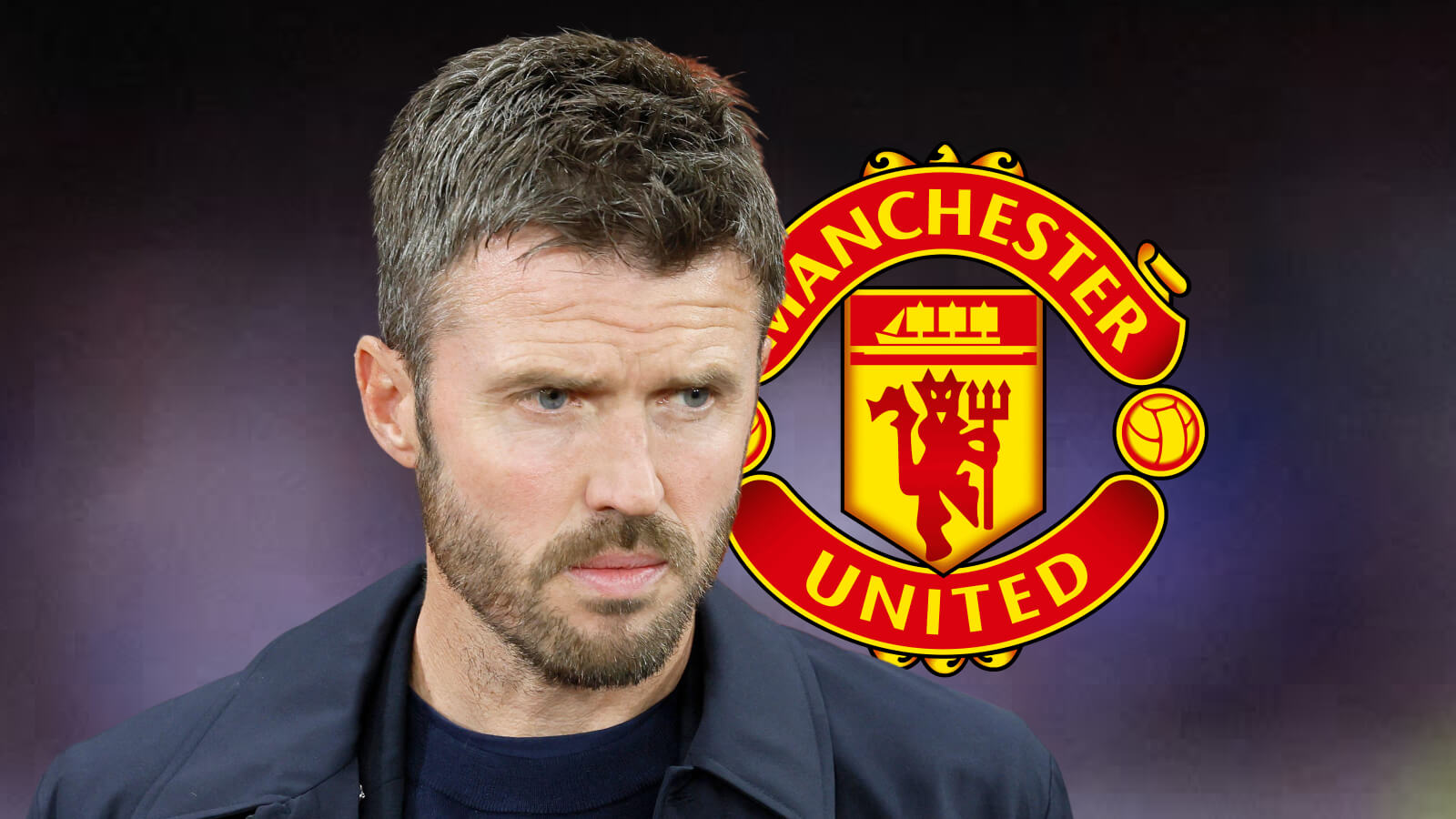
Manchester United back Carrick despite poor start as club bets on stability
Manchester United’s hierarchy and dressing room remain behind head coach Michael Carrick despite an unconvincing start to the new campaign that has left the team in the bottom half of the Premier League table.
Transfer specialist Fabrizio Romano has said United’s players are backing Carrick and that co-owners INEOS have no plans to dismiss the former club captain at this stage of the season.
Carrick was appointed on an interim basis in January 2026 and subsequently rewarded with the job permanently in the summer of 2026, after steering United back into the UEFA Champions League for the 2026/27 campaign. The club’s decision to stay the course with him now is framed against that recent achievement and a belief in the broader project under new ownership.
Under-performance on the pitch, but no move for a new coach
On the field, United have struggled. After five league matches they sit as low as 12th, with only five points collected. The early domestic cup campaign has also brought disappointment, with a defeat to Brighton & Hove Albion at Old Trafford in the Carabao Cup.
There has been one major positive: a home win over Sabah in the Champions League, a result that offered a reminder of the standards Carrick’s team reached at the back end of last season. However, that European victory has not masked the contrast between their strong finish to last year and an uneven opening to this one.
Romano has stated that, despite the pressure generated by United’s start and their position in the league table, there are currently no plans inside the club to sack Carrick or to open talks with potential replacements. He stresses that United have not made any move to contact other coaches and are not in direct conversations with alternative candidates or their representatives.
Carrick’s own status is therefore tied explicitly to results, but within a framework of patience. The message from within the club is that the situation is quiet and expected to remain that way in the coming weeks, and, they hope, the coming months.
Carrick acknowledges slump but insists on long-term view
Speaking on his YouTube channel, Carrick accepted that the last five games have not been at the level Manchester United expect in terms of results. He contrasted those performances with the team’s displays in the second half of last season, when United’s upturn in form helped secure Champions League qualification and effectively earned him the permanent role.
He highlighted that the Champions League debut against Sabah came in a different competitive context, with a gap in quality between the sides that shaped expectations on the night. By comparison, the domestic schedule has exposed how far United still have to go to compete consistently at the top of the Premier League.
Carrick also underlined that elite football remains a results business and that outcomes on the pitch will ultimately determine how long any manager, himself included, stays in the job. Even as he acknowledged that no one at United – from INEOS to the coaching staff to the players – can be satisfied with recent results, he set out the internal belief that time and continuity are required for his ideas to fully take hold.
Rebuilt midfield and the demand for “chemistry”
Romano pointed to United’s midfield rebuild over the summer as a central factor in the club’s thinking. With three new players added in a key area of the pitch and the arrival of Baleba still to be fully integrated into the squad, the view inside Old Trafford is that the team requires a settling-in period.
In practical terms, reshaping the midfield changes how United build attacks, press opponents and protect their back line. Carrick and his staff are attempting to establish partnerships and patterns with new personnel under the pressure of competitive fixtures every few days. Within that context, the hierarchy’s patience is framed as a recognition that structural change can initially produce instability before any improvement is visible in the league table.
The decision to hold their nerve at this point in the season also reflects the broader competitive demands facing United. A Champions League campaign adds to the physical and tactical load, and progress in Europe can have a direct impact on revenue, squad morale and the club’s ability to attract and retain players. A mid-season managerial change would almost certainly disrupt that work, with no guarantee of an immediate uplift.
Players seen as backing their head coach
One of the key reasons United are maintaining their stance is the perception that Carrick still has the support of the dressing room. Romano reports that, at club level, there is a clear belief that the majority of the squad is fully behind the manager and buy into his ideas.
This is viewed internally as a significant difference from previous managerial cycles at Old Trafford, when discontent among sections of the squad was widely discussed and, in some cases, appeared to undermine coaching projects before they had fully developed. In contrast, the current view is that player backing for Carrick strengthens the case for continuity while the team attempts to work through its early problems.
In modern elite football, the combination of shaky results and a divided dressing room often leads quickly to change in the technical area. United’s current position is notable precisely because one of those elements – on-pitch form – is poor, but the other – dressing-room support – is judged to be intact.
Stability versus short-term pressure in a demanding season
United’s approach sits within the wider framework of a club competing on multiple fronts: the domestic league, national cups and the Champions League, all under the governance of established competition rules and scheduling pressures. Decisions about whether to persist with or replace a manager have implications that extend beyond a single match or week.
With United 12th after five league games, there is clear risk in allowing a slow start to extend into a prolonged slump. A continued slide in the table could threaten their prospects of qualifying again for Europe and reshape the medium-term outlook for the squad. At the same time, changing the head coach so early in a season carries its own sporting and financial costs, particularly when the club has invested heavily in a new midfield tailored to the current manager’s approach.
For now, INEOS and the football department are choosing to prioritise stability. Carrick’s position is backed by recent history – the turnaround that brought Champions League qualification – and by the internal reading of the squad’s mood. The club’s stance is framed not as an open-ended guarantee, but as a decision to give their project the time they believe it needs while acknowledging that results must improve.
As the domestic and European calendars intensify, the next phase of United’s season will test the balance they are trying to strike between short-term pressure and long-term planning. If performances and results begin to align more closely with last season’s second-half standards, the current backing for Carrick will look like a calculated show of faith. If they do not, the club’s commitment to patience will be scrutinised as closely as the man in the dugout.
