
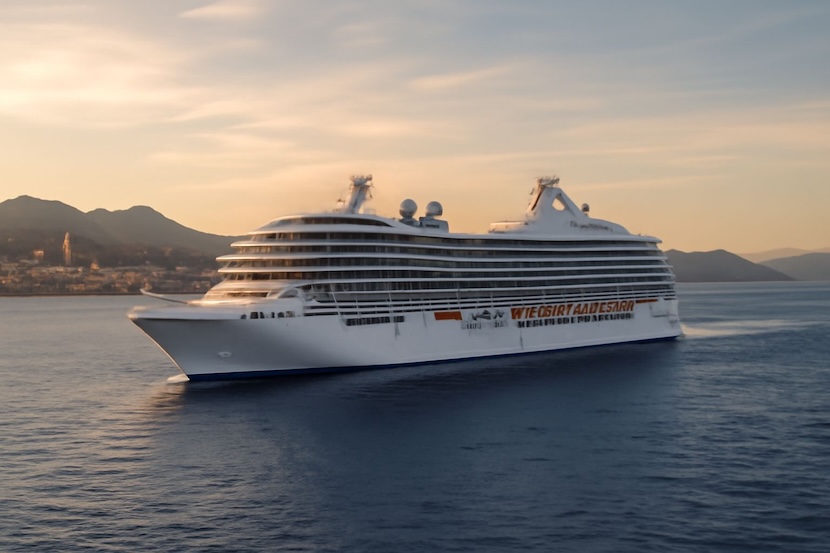
MIAMI – Carnival Cruise Line plans to base two ships in Europe for the Summer 2027 season, outlining regional programs that span Northern Europe, the Mediterranean and North Africa. The deployment, published on February 7, 2026, places Carnival Miracle and Carnival Sunshine on itineraries designed to link major European capitals, classic coastal calls and select African ports.
The announcement is notable for pairing a Northern Europe program with a Mediterranean schedule and adding North African calls in the same season, signaling a multi‑region approach built around two vessels rather than a single flagship. It also underscores how large‑scale cruise deployments in European waters operate within the region’s common regulatory space, including the maritime, environmental and port‑state rules set out under the foundational treaties of the European Union.
What the line set out for 2027
– Ships involved: Carnival Miracle; Carnival Sunshine.
– Regions covered: Northern Europe; the Mediterranean; North Africa.
– Timing: Summer 2027 (no specific sail dates were released alongside Saturday’s information).
– Scale and positioning: Carnival Miracle, a Spirit‑class vessel, is smaller than Carnival Sunshine in overall tonnage, a contrast that may shape which ports each ship can access and the passenger volumes they bring in a given call. [[1]]
Routing highlights described
– Transatlantic positioning: Carnival Miracle will cross the Atlantic to Lisbon before beginning European operations, in line with the broader industry practice of repositioning ships seasonally between North American and European markets.
– Northern Europe program: Trips are slated to include Spain, France, Belgium and Scandinavian countries, tying together key North Sea and Baltic gateways with Atlantic‑facing ports.
– Mediterranean shift: After Northern Europe, Carnival Miracle is expected to operate in the Mediterranean, with departures from ports such as Civitavecchia (Rome) and calls that include the Greek Islands, Croatia and Turkey, providing a mix of Schengen‑area and non‑Schengen destinations under varied port‑state control regimes.
– North Africa calls: Carnival Sunshine is scheduled to visit Tangier (Morocco) and La Goulette, the cruise port near Tunis (Tunisia), adding non‑EU ports that require coordination with local immigration, customs and security authorities at each call.
Geography, governance and port context
– Lisbon serves as a common European gateway for transatlantic repositioning cruises, offering air links into Western Europe and rail connections into Iberia. As an EU capital, it also functions as an external border entry point for passengers arriving from the Americas.
– Civitavecchia is the primary cruise port for Rome, linking Mediterranean itineraries to Italy’s capital via overland transport and operating under Italian and EU rules on environmental standards, passenger safety and port services.
– Tangier on the Strait of Gibraltar and La Goulette adjacent to Tunis are established cruise gateways to North African cultural sites and historic medinas, where calls are shaped not only by tourism demand but also by bilateral arrangements on security, shore‑excursion licensing and local port governance.
What was and wasn’t included
– Included: Ship names; regions; select countries and example ports; the sequence of Carnival Miracle’s move from Northern Europe to the Mediterranean; and example North African ports for Carnival Sunshine. The announcement also implicitly confirms that both ships will spend an extended period home‑ported or turn‑around based in Europe rather than operating one‑off repositioning voyages.
– Not included: A full port‑by‑port calendar, exact homeports, sailing lengths, pricing, or on‑sale dates. The company also did not detail shore‑power readiness, emissions‑reduction measures or specific health and safety protocols for the 2027 season, items that are increasingly material for port authorities and local governments evaluating cruise traffic.
As of February 7, 2026, detailed schedules and booking particulars had not been provided alongside the program summary. Industry practice suggests those elements typically follow initial deployment notices once port‑slot negotiations, regulatory clearances and commercial considerations are finalized.