
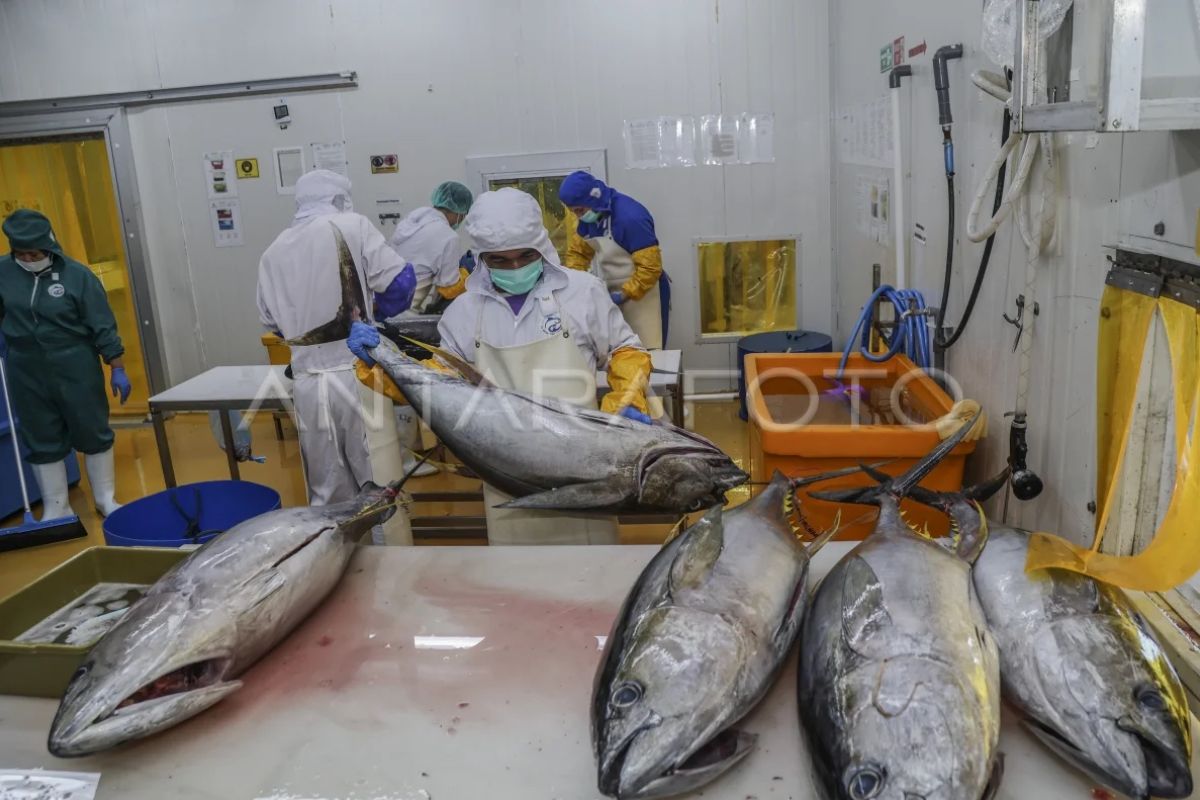
JAKARTA – Indonesia and Japan are deepening their economic and workforce development ties with a new three-year initiative focused on bolstering the skills of Indonesian fisheries professionals and addressing labor shortages in Japan’s fishing industry. The collaboration, formalized following a visit by Japan International Cooperation Agency (JICA) experts on March 30, 2023, aims to create a pipeline of certified Indonesian workers prepared for employment in the Japanese seafood sector.
The partnership responds to a growing need for skilled labor in Japan, where an aging population is contributing to workforce challenges across multiple industries, including fisheries. It is being aligned with Japan’s Specified Skilled Worker (SSW) residence status framework, which allows foreign nationals to fill shortages in designated sectors under a regulated system of testing, certification, and employer oversight. Simultaneously, it offers Indonesia an opportunity to enhance its human capital and expand overseas employment opportunities for its citizens within a formal, state-managed migration channel.
“Indonesia is ready to contribute as a reliable partner in providing a skilled, certified workforce that meets industry needs,” stated Lilly Aprilya Pregiwati, Secretary of the Agency for Extension and Human Resources Development at Indonesia’s Ministry of Marine Affairs and Fisheries, in an official statement. She noted that the program is being coordinated with national manpower and training policies to ensure returning workers can be absorbed into domestic industry as well as overseas placements.
The project will focus on strengthening the capacity of three key Indonesian institutions: the Jakarta Technical University of Fisheries, the Karawang Marine and Fisheries Polytechnic, and the Ambon Fisheries Training and Extension Center. These institutions will receive modern learning facilities, expert instruction – including Japanese language training – and opportunities for Indonesian trainees to participate in practical training programs within Japan. Curricula will be tailored to meet competency standards required for certification under the SSW scheme, linking classroom instruction directly to job profiles in Japan’s fishing and seafood processing sectors.
JICA’s involvement builds on existing cooperation between the two nations, and on its broader mandate as Japan’s principal bilateral development agency to support partner countries through technical cooperation, concessional finance, and capacity building. In February 2023, Indonesia dispatched 200 migrant workers to Japan under the SSW scheme, a program designed to attract foreign labor in designated industries facing critical shortages. That dispatch is seen by officials as an early test of systems for language preparation, skills assessment, and worker protection that this new fisheries-focused initiative aims to institutionalize. The program also complements wider cooperation on forestry, conservation, and climate action, reinforcing Indonesia-Japan ties beyond traditional development assistance into long-term labor and skills partnerships.
The Ministry of Marine Affairs and Fisheries anticipates that the program will not only improve the quality of Indonesia’s marine and fisheries workforce but also support national priority programs related to economic growth and employment. Officials say the initiative is being synchronized with Indonesia’s national vocational training framework and overseas worker placement regulations to strengthen oversight of recruitment, ensure adherence to labor standards, and reduce the risks of informal or unregulated migration pathways. For Japan, the scheme is designed to provide a more predictable flow of workers to coastal communities that are struggling to replace retiring fishers.
The three-year program is currently in its initial implementation phase, with JICA experts working to assess the specific training needs and infrastructure requirements at the designated Indonesian institutions and to align them with industry demand in Japan. The Ministry expects the first cohort of trainees to begin participating in programs in Japan within the next year, subject to completion of language and skills assessments and to placement agreements with approved employers. If successful, officials on both sides have indicated that the model could be extended to additional campuses or sectors, embedding fisheries training more firmly within broader Indonesia-Japan economic cooperation.
Keep reading
