
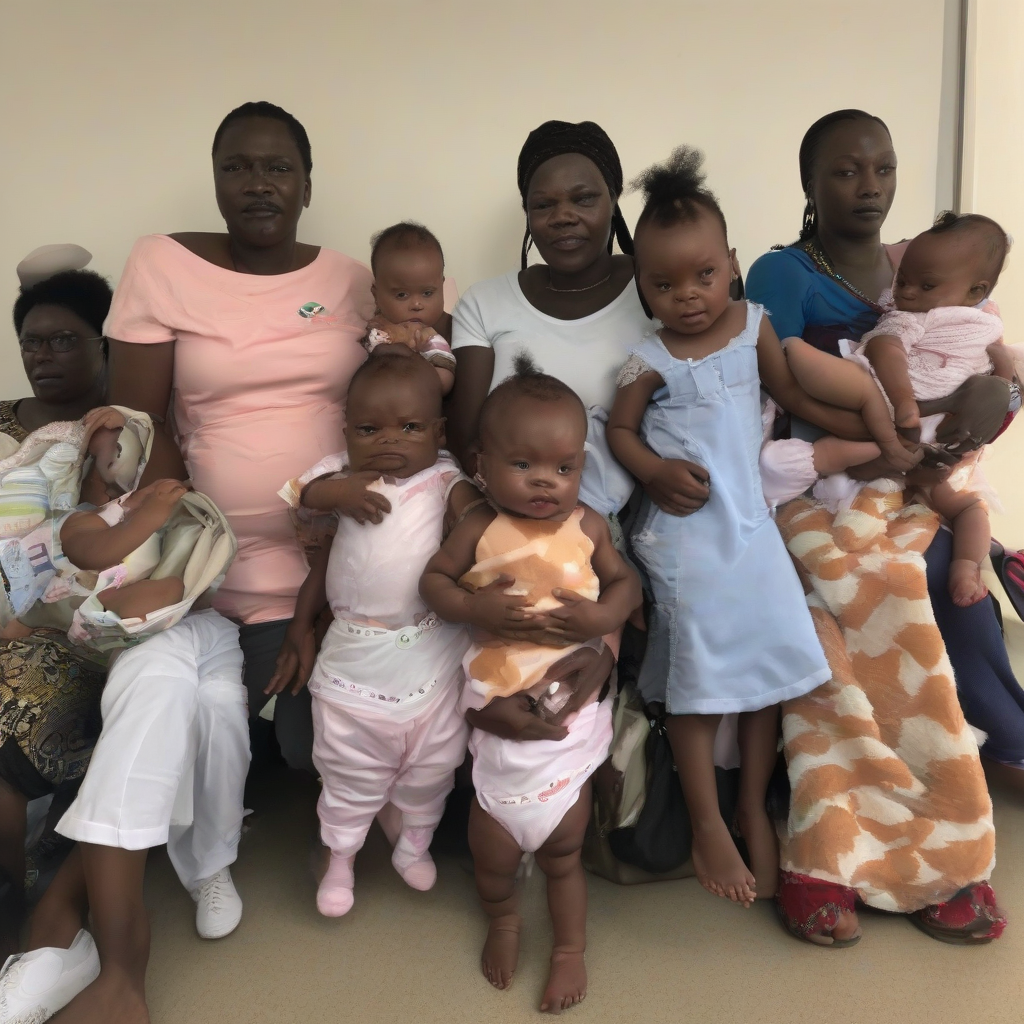
DURBAN – At least 12 babies have been born to Malawian women currently held at Sherwood Hall in Durban as thousands of nationals await repatriation to Malawi.
The situation has prompted a multi-agency emergency response to address escalating humanitarian and public health concerns at the site. The Department of Home Affairs, in coordination with local government and security forces, is working to expedite the processing and deportation of the gathered migrants under South Africa’s Immigration Act and related regulations.
On-Site Healthcare and Infant Births
Cyril Mncwabe of the Department of Home Affairs confirmed that the births occurred while women were awaiting transport back to their home country, underscoring how long many have been held at the temporary facility.
“The last I knew was 12 babies that were born here on site, and the last two of the 12 were born a day before yesterday,” Mncwabe said.
To manage the medical needs of the population, the Department of Health has deployed mobile clinics and ambulances to the facility. Mncwabe noted that these services are essential given the scale of the gathering and the potential for medical emergencies, particularly among pregnant women, infants and people with chronic conditions.
“Once you’ve got a crowd this big sitting here, there will be those sicknesses that would develop, there might also be people that getting injured,” Mncwabe said. “I saw an ambulance and the mobile clinic parked just to take care of those who are possibly falling sick, those who are giving birth and all those who need serious medical attention.”
Health officials are also understood to be monitoring communicable disease risks and infant health outcomes as part of the on-site response, although detailed medical data has not yet been released.
Municipal Infrastructure Interventions
eThekwini Mayor Cyril Xaba has outlined a series of critical interventions designed to stabilize the environment at Sherwood Hall. These measures aim to reduce the immediate public health risks associated with the prolonged accommodation of thousands of people at the site and to support basic dignity standards normally expected in emergency shelters.
The municipal response includes:
- Increased deployment of ablution facilities to manage sanitation for the large, concentrated population.
- Expanded waste management capacity across the sites to prevent refuse build-up and associated health hazards.
- Deployment of water tankers to supplement the existing water supply and secure access to safe drinking and washing water.
Xaba stated that these steps are intended to support the ongoing processing of migrants while accelerating the overall deportation process, adding that municipal resources are being coordinated with provincial health and national immigration authorities to avoid prolonged overcrowding.
City officials have framed the interventions as temporary but necessary, given that Sherwood Hall is a community facility being used as an ad hoc holding and processing centre rather than a purpose-built reception camp.
Security and Repatriation Logistics
The South African Police Service (SAPS) maintains a continuous presence at the site to manage the crowd and prevent tensions from escalating, amid concerns about safety for both migrants and surrounding communities.
Authorities are currently processing scores of Malawian nationals to facilitate their boarding of buses for the journey home. Repatriation is being carried out through coordinated operations between Home Affairs officials, Malawian representatives and transport providers, with priority given to families and those already cleared through identity verification.
The prioritization of these interventions is intended to reduce the duration of the stay for those accommodated at the site, as officials seek to balance immigration enforcement with humanitarian obligations. SAPS remains on the ground to maintain order as the Department of Home Affairs continues verification and processing procedures, while local authorities monitor the broader social and service-delivery impact on the eThekwini metro.
The situation at Sherwood Hall has again highlighted the pressures on South Africa’s migration-management system and the extent to which municipal and provincial structures are drawn into implementing national policy. Similar operations in recent years have prompted calls from rights groups and legal experts for clearer, more consistent standards for how migrants are housed and cared for while awaiting removal. For now, officials say their immediate focus is on decongesting the facility safely and ensuring that mothers and newborns receive appropriate care during the repatriation process.
