
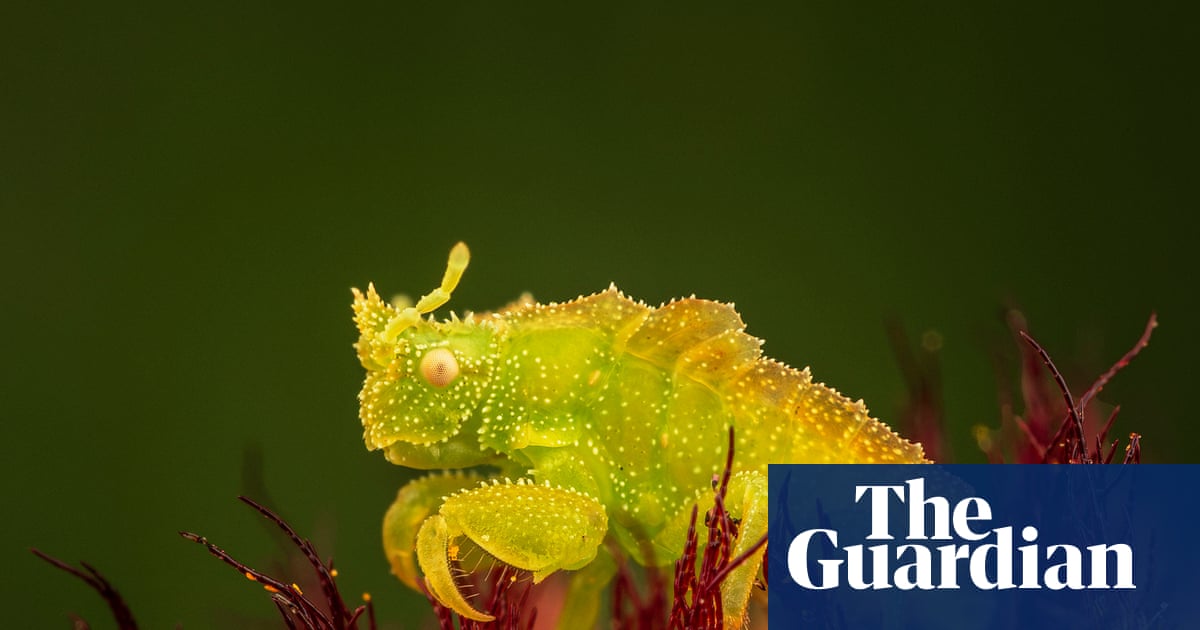
LONDON – A shortlist of 24 images has been selected for the Wildlife Photographer of the Year People’s Choice Award, opening a public vote that will determine which photograph is added to the wider Wildlife Photographer of the Year exhibition presentation at the Natural History Museum in London.
Members of the public can vote for your favourite image online. The winner will be announced on 25 March and shown from that date as part of the overall Wildlife Photographer of the Year exhibition, which runs until 12 July at the Natural History Museum in London.
For the museum-and-exhibition sector, the People’s Choice format is a familiar programming tool: it formalises audience participation, adds a clear calendar moment inside a longer-running exhibition, and creates an additional decision point that can be communicated across the museum’s channels without changing the core exhibition run. It also aligns with the wider policy drive in the United Kingdom to broaden access to publicly supported culture, set out in the remit and funding agreements overseen by the national arts funding body, Arts Council England.
How the People’s Choice vote fits an exhibition cycle
The Natural History Museum’s Wildlife Photographer of the Year exhibition is scheduled to run until 12 July, positioning 25 March as an institutional milestone within that on-site window: the People’s Choice winner announcement and display begin mid-run rather than only at launch.
That timing matters in cultural programming because it introduces a defined “new” element for audiences who may be considering a visit later in the run, while also giving repeat visitors an incentive to return-without requiring a full rehang or a separate ticketed event to create a fresh news hook. For a publicly funded national museum with obligations around education, outreach and value for money, a mid-run refresh point offers a relatively low-cost way to sustain visibility in a crowded attractions market.
Audience participation as a distribution channel
Online voting for a shortlist of 24 images also functions as a distribution mechanism in its own right. While the exhibition is physically located at the Natural History Museum in London, the public vote is accessible remotely, allowing engagement beyond the building and outside visitor travel patterns.
In practice across the cultural sector, this kind of participation can extend the reach of a museum-led exhibition by turning a curated selection into a time-bound campaign: a finite number of works, a single official voting destination, and a fixed announcement date that closes the loop. The shortlisted images, shared across social platforms and media coverage, effectively become promotional assets that audiences themselves circulate, blurring the line between audience development and editorial commissioning.
Clear dates, clear programming
The People’s Choice timetable provides a simple sequence that audiences can act on: a shortlist is available for selection, voting is conducted online, and the winner is announced on 25 March before being shown from that date within the broader exhibition.
Operationally, that clarity also matters for partner institutions and touring venues that programme the Wildlife Photographer of the Year exhibition after its London run. A fixed announcement date and defined campaign window allow communications teams, sponsors and international partners to align their own calendars with the central schedule, maintaining consistency of messaging while leaving room for local adaptations.
The next procedural step is the public vote itself, with the winner scheduled to be announced on 25 March and displayed from that date as part of the Wildlife Photographer of the Year exhibition, which runs until 12 July at the Natural History Museum in London. Within a cultural landscape where institutions are under pressure to demonstrate responsiveness to their audiences without ceding curatorial independence, the People’s Choice model represents a relatively simple governance compromise: a jury-led core exhibition, complemented by one image selected directly by the public.
- Interactive Storytelling and Immersive Audio: How Next-Gen Gaming Engines Are Transforming Contemporary Television Production
- Independent Cinema’s New Distribution Paradigms: How Direct-to-Consumer Micro-Premiers Are Shifting Box Office Dynamics
- PM Modi Marks 25 Years in Public Office with Delhi Temple Visit (globallypulse.com)
