
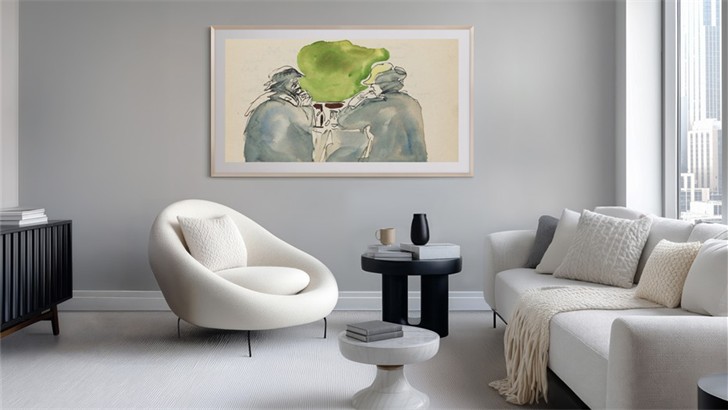
OSLO – Samsung Electronics Co., Ltd. has entered a collaboration with the MUNCH museum to integrate a digital collection of 37 artworks by Edvard Munch into the Samsung Art Store.
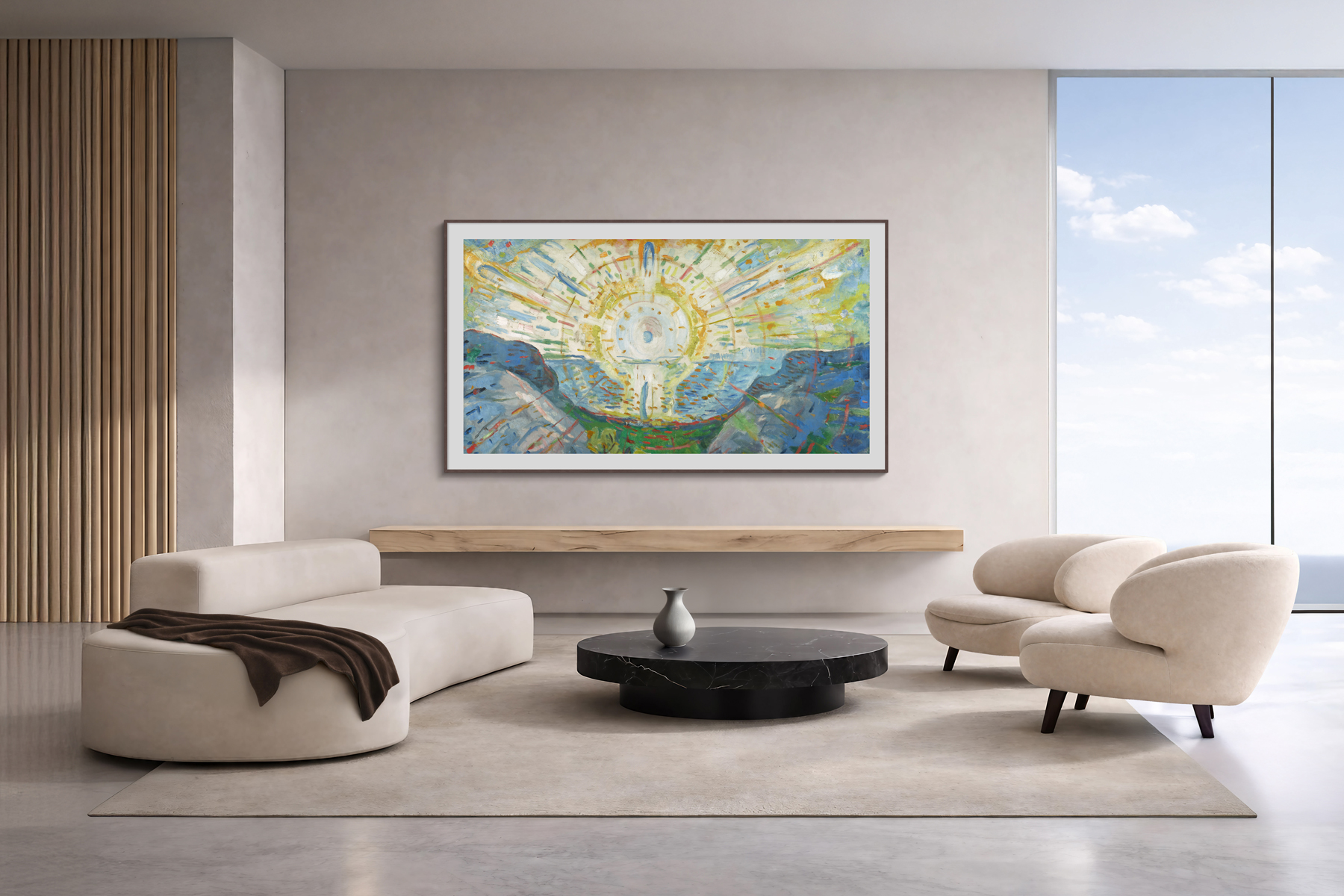
The partnership enables the global distribution of high-resolution reproductions of Munch’s work, including “The Scream,” “The Dance of Life,” and “Melancholy,” to users of Samsung’s Art TV lineup.
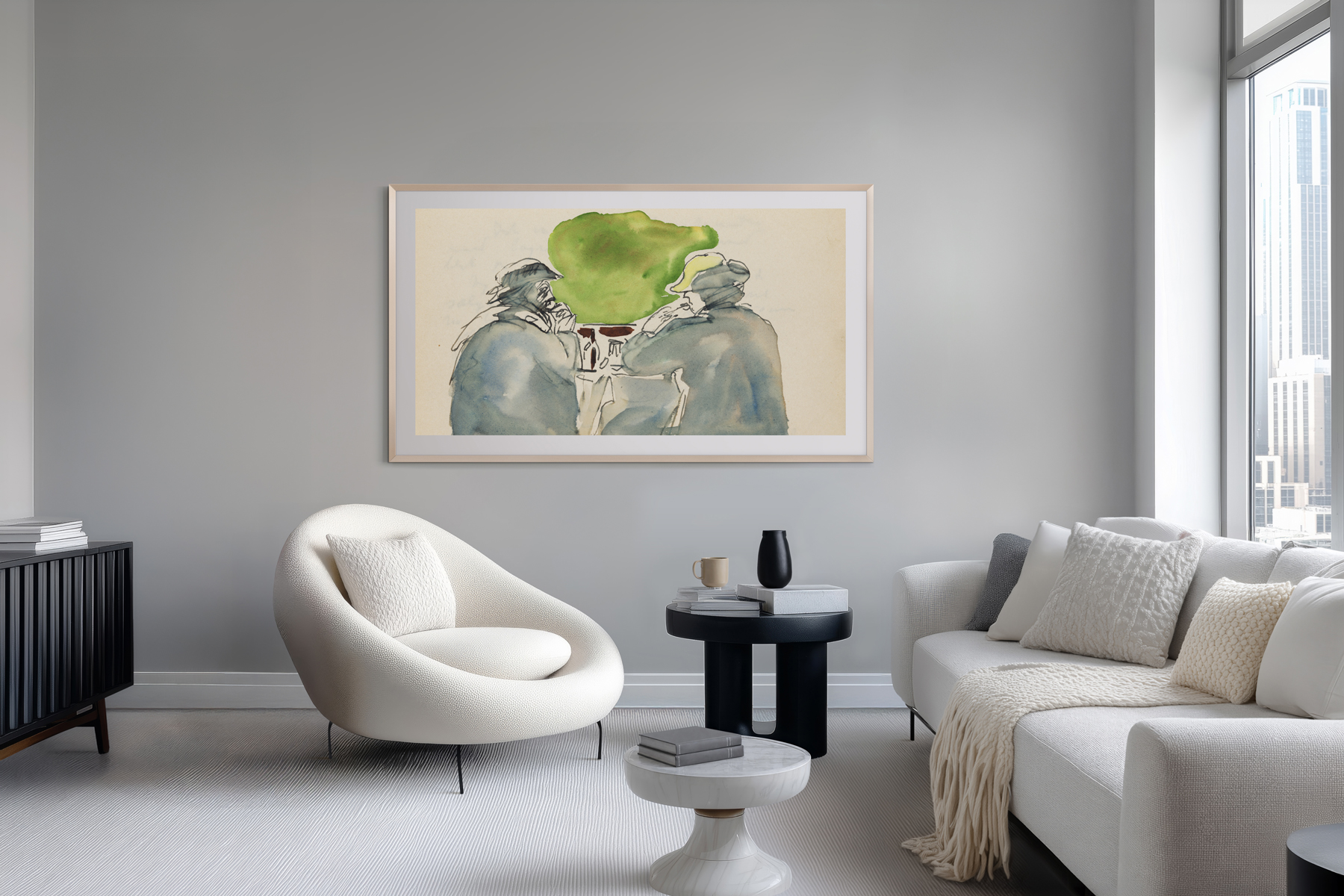
The agreement is significant for its inclusion of archival materials that are physically restricted from public viewing. Several works, such as “Garden with Trees” and “Two People at Table,” are kept in controlled environments in Oslo to prevent further deterioration, making digital distribution the only viable method for public access.
Under European rules on cultural heritage and conservation, including national implementations of the EU Directive on Copyright in the Digital Single Market, museums have wide latitude to use digitization to protect fragile works while expanding lawful access, a balance this deal explicitly seeks to strike.
“Samsung creates products that inspire people and help them express themselves through design and culture,” said Tommy Nilsson, TV & Audio Director at Samsung Nordics. “With Samsung Art Store, we make world-class art available to millions of people, and through this collaboration with MUNCH, we are bringing an important part of European artistic heritage into people’s homes.”
Digital Access to MUNCH Archives
The digital collection provides a specialized view of Munch’s output by utilizing the museum’s archives and conservation images that are rarely visible to the public. Because these specific works are too vulnerable for display at the physical museum in Oslo, the collaboration leverages display technology to circumvent physical preservation constraints while maintaining curatorial control over how the works are framed, lit, and presented.
For cultural policymakers and museum directors, the initiative illustrates how public institutions can work with commercial platforms to extend access to national collections without breaching conservation limits or overexposing physical works to light and temperature stress.
Tone Hansen, Director of MUNCH, stated that the initiative is “an exciting opportunity to share Edvard Munch’s art with audiences beyond the museum’s walls in Oslo.” Hansen added that through the “global reach and Art TV technology,” the museum can make the work more accessible, while still aligning with its mandate as a publicly oriented institution funded in part by Norwegian cultural budgets.
Hardware Integration and Distribution
The Munch collection is exclusively available via the Samsung Art Store and is compatible with the company’s high-end display hardware. This includes The Frame, OLED, Neo QLED, and Micro RGB models, positioning the collection as a premium content offering tied to Samsung’s most advanced televisions.
The integration comes as Samsung continues to emphasize its connected TV ecosystem and subscription-based services alongside its flagship Galaxy smartphones and other devices, which anchor the company’s broader consumer electronics portfolio in markets such as the United States and Europe.
The addition of the MUNCH collection brings the Samsung Art Store’s total library to more than 5,000 artworks, spanning partnerships with major museums, galleries, and independent artists. For institutions weighing similar deals, the scale signals how quickly digital art platforms are becoming distribution channels in their own right, with editorial, licensing, and preservation questions that traditionally sat with brick-and-mortar museums.
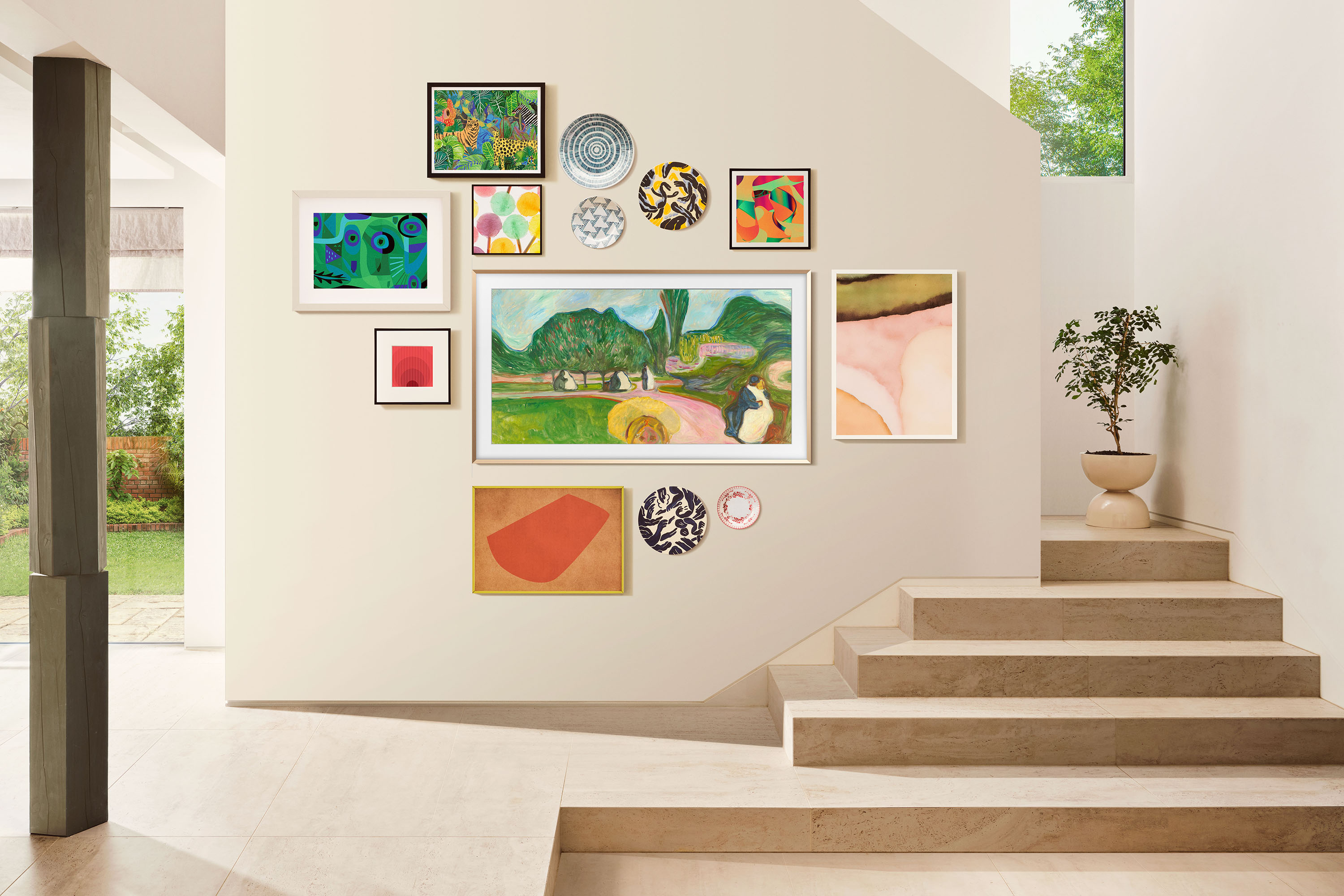
For the European market, Samsung is offering a complimentary 90-day subscription trial for new Art Store users with compatible devices. Consumer groups and regulators will likely watch how such introductory offers evolve in terms of pricing transparency and data use, as subscription models become more tightly integrated into connected TV hardware.
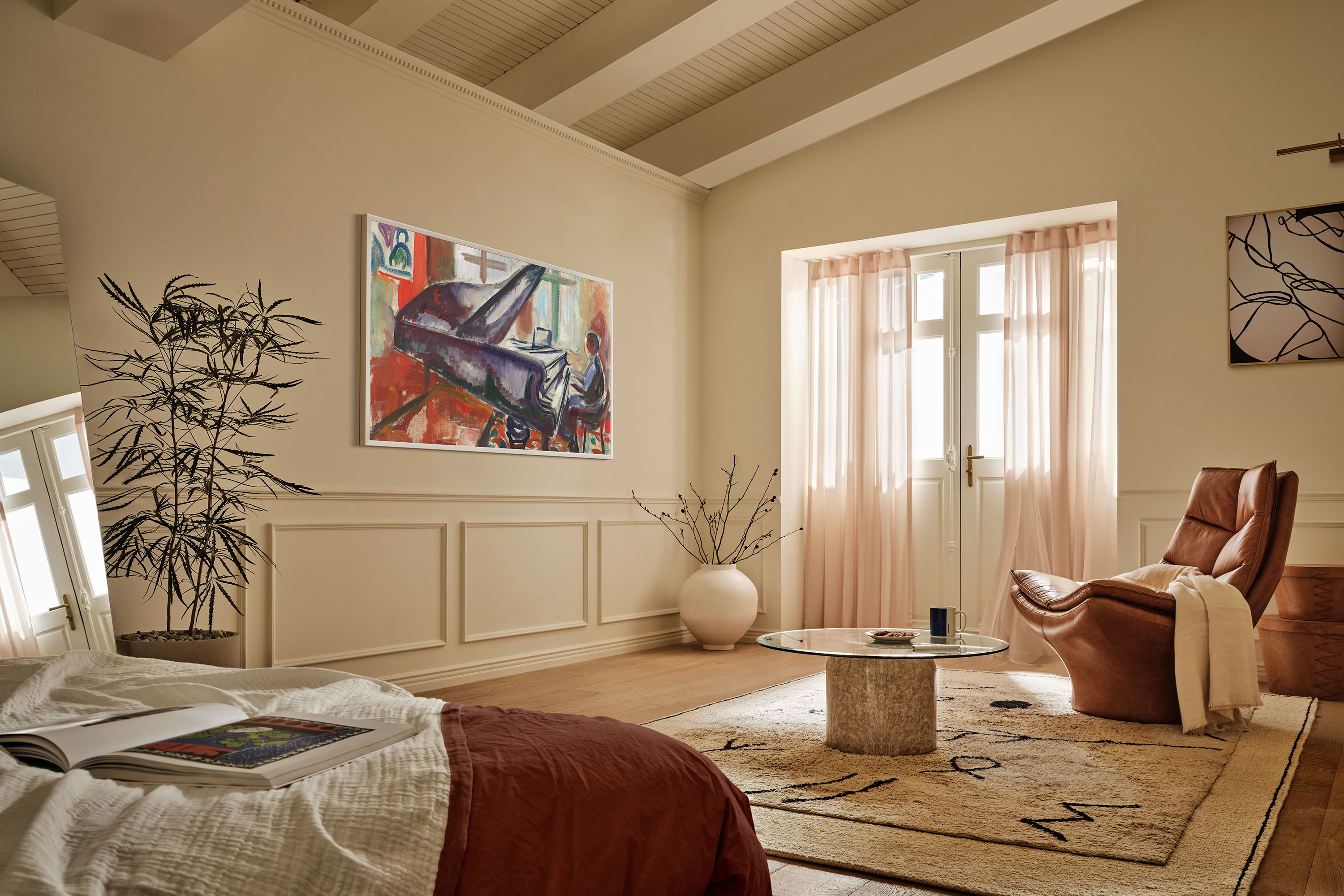
The selected works from MUNCH will be available worldwide on the Samsung Art Store starting June 1, 2026. The rollout underscores how museum-technology partnerships are moving from pilot projects to mainstream distribution, turning living rooms into curated exhibition spaces while keeping irreplaceable originals in climate-controlled storage.
Keep reading
