
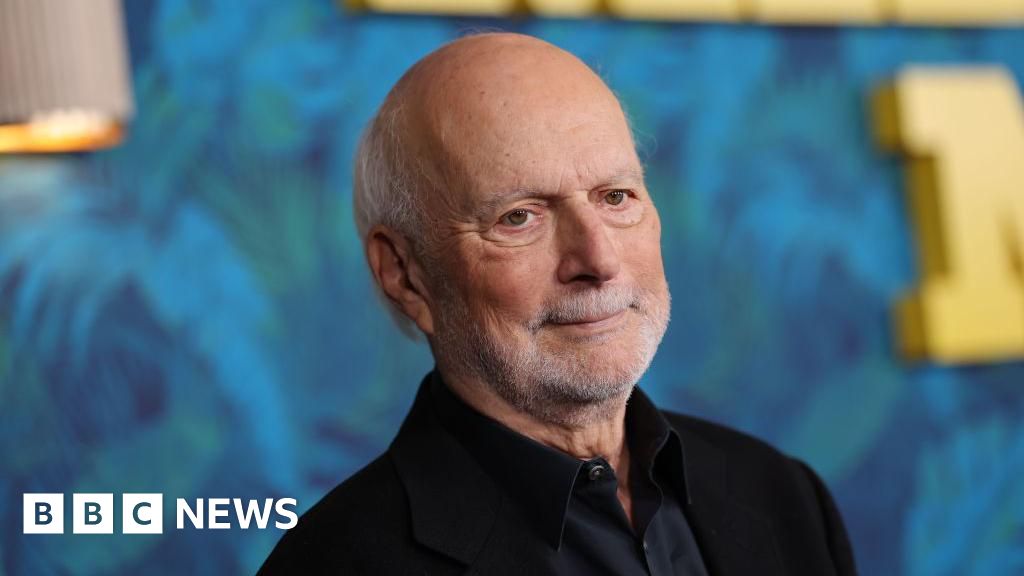
LOS ANGELES –
James Burrows, the director and co-creator who shaped the technical and creative execution of the modern American multi-camera sitcom, has died at the age of 85.
Burrows operated as a primary architect of the televised comedy format, specifically the multi-camera setup utilizing live studio audiences. His influence on the industry is defined by his role in launching and refining some of the highest-rated comedies in television history, establishing production standards for ensemble timing and blocking that became industry benchmarks.
Contributions to Multi-Camera Production
As a co-creator of Cheers, Burrows helped define the “workplace” sitcom, integrating a theatrical approach to television production. His methodology focused on the precision of physical comedy and the synchronization of actor movements with camera placement to maintain the energy of a live performance.
Working within the rules and protections of the U.S. copyright framework for television and other audiovisual works, Burrows treated studio stages as both creative laboratories and highly regulated workplaces, aligning artistic choices with network standards, union agreements and broadcast obligations.
Burrows was frequently contracted to direct the pilot episodes of new series, a critical phase of production where the tone and visual language of a show are established. This role made him a pivotal figure in the early development of several network staples, including Friends and Will & Grace, and positioned him as an informal creative arbiter in decisions about casting, pacing and structure that often determined whether a series advanced from pilot to full-season order.
Project History and Industry Reach
Throughout his career, Burrows managed the directorial requirements of numerous high-profile productions across multiple networks, directing more than 1,000 episodes of scripted television and becoming a go-to figure for broadcast executives seeking to stabilize new comedies and extend the life of established hits.
His portfolio includes:
- Co-creation and direction of Cheers
- Directorial oversight of early episodes of Friends
- Directorial work on Will & Grace
- Direction on other influential multi-camera comedies that shaped network prime-time schedules
His technical expertise allowed him to bridge the gap between traditional stage acting and the specific requirements of television broadcasting, ensuring that the comedic timing translated effectively from the studio floor to the home viewer. By refining the rhythm of joke delivery around advertising breaks and syndication needs, Burrows helped define a durable half-hour format that still informs programming strategies on major networks and streaming platforms.
The industry has recognized Burrows as a master of the sitcom, noting his ability to manage large ensembles and maintain consistent pacing across long-running series. His work influenced commissioning decisions far beyond any single show, as network and studio leaders frequently pointed to his series as models when weighing risks on new comedy investments.
Burrows’ passing marks the loss of one of the most prolific directors in the history of the television medium. In an era when viewing habits are shifting toward on-demand and digital platforms, his body of work remains a reference point for how studio-audience comedy can anchor a prime-time schedule and shape cultural memory.
Official reports confirm the director’s death at 85. As tributes circulate from collaborators and executives, his influence is visible not only in reruns and streaming libraries but also in the continued use of the multi-camera template he helped perfect, from soundstage design to the way sitcoms are financed, scheduled and sold in secondary markets governed by federal broadcast ownership and distribution rules.
- Interactive Storytelling and Immersive Audio: How Next-Gen Gaming Engines Are Transforming Contemporary Television Production
- Independent Cinema’s New Distribution Paradigms: How Direct-to-Consumer Micro-Premiers Are Shifting Box Office Dynamics
- NY Attorney General Letitia James named special prosecutor in Cornell case (globallypulse.com)
