
LONDON – UK consumer price inflation remained unchanged at 2.8% in May, defying analyst projections of a rise to 3% and triggering an immediate decline in government borrowing costs.
The stability of the Consumer Price Index (CPI) occurs amid heightened geopolitical volatility in the Middle East, providing the Bank of England with critical data as it evaluates interest rate trajectories against a backdrop of fluctuating energy flows through the Strait of Hormuz.
The May reading follows a decline to 2.8% in April, supported by the implementation of cuts to domestic gas and electricity bills introduced in the previous year’s budget. It also keeps headline inflation close to the Bank’s 2% target, easing pressure on policymakers after a prolonged period of above‑target price growth.
Inflation Components and Market Divergence
The Office for National Statistics (ONS) reported that inflation held steady as opposing price movements neutralized one another. While energy and transport costs climbed, food prices experienced a relative deceleration that helped anchor the overall rate.
- CPI Inflation (May): 2.8% (Expected: 3.0%)
- Core Inflation: 2.6% (Up from 2.5% in April)
- Transport Inflation: 6.8% (Up from 4.5% in April)
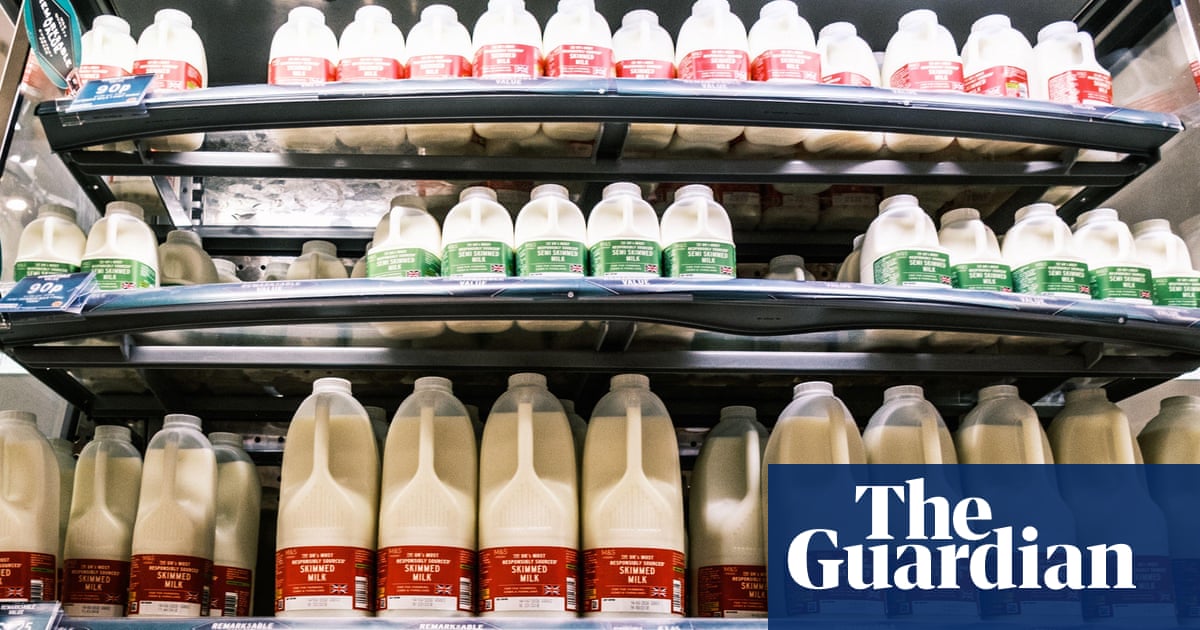
- Food Inflation: 2.2% (Lowest since December 2024)
Analysts noted that the modest uptick in core inflation, which strips out volatile food and energy prices, may temper hopes of rapid interest-rate cuts even as headline CPI stabilises.
Grant Fitner, chief economist at the ONS, stated: “Inflation held steady in May as various price movements offset each other. The main upward movement came from transport, with air fares, vehicle taxes and petrol prices all pushing up inflation.”
Fitner added: “These were offset by lower food prices, with decreases in inflation seen across a range of meat, dairy and vegetable items compared to last month, as well as the cost of domestic heating oil, which fell back after climbing in recent months.”
Geopolitical Impact and Energy Flow
The closure of the Strait of Hormuz to shipping-a critical choke point for global petroleum exports-has driven oil prices higher over the last three months. This restriction has created cascading cost increases for chemical production, fertilizers, and refined fuel products that feed into UK input costs and, ultimately, consumer prices.
Transport costs, the primary driver of the May inflation rate, rose to 6.8%, the highest level since December 2022. This was largely propelled by a 10.3% increase in air fares between April and May, compared to a 5% decrease during the same period in 2025.
The rise in airfares is attributed to the timing of school holidays and Easter, with European routes seeing the most significant price hikes. Increased costs for ferry tickets and petrol also contributed to the transport surge, adding pressure on households already facing higher commuting and holiday expenses.
The market is now reacting to a diplomatic resolution reached on June 15, 2026, between Donald Trump and the Iranian regime. Economists anticipate this agreement will reopen the maritime choke point, potentially easing the upward pressure on global energy prices and, with a delay, transport and utility bills.
“Although the US-Iran peace deal has arrived too late to stop higher energy bills and food costs causing a summer inflation spike, if oil prices continue sinking then a peak well below 4% is becoming increasingly plausible,” said Suren Thiru, chief economist at the Institute of Chartered Accountants in England and Wales.
Thiru noted that while the deal may prevent further inflation spikes, supply chains and energy markets typically require several months to normalize, meaning any relief for UK consumers is unlikely to be immediate.
Fiscal Response and Monetary Outlook
The Treasury saw an immediate reduction in borrowing costs following the data release. The yield on 10-year government bonds fell to 4.74%, marking the lowest rate in a month and easing pressure on public finances as the government prepares its next budget round.
Chancellor Rachel Reeves defended the government’s current fiscal strategy. “While the war in the Middle East pushes prices up globally, we have got the right economic plan and inflation has held steady. We’re protecting families and businesses from rising costs, with cuts in energy bills and freezes in fuel duty and rail fares,” Reeves said, pointing to measures designed to cushion the impact of external price shocks rather than add fresh domestic stimulus.
The benign inflation reading reduces the likelihood that the Office for National Statistics (ONS) data will force the Bank of England to implement further interest rate hikes under its remit to achieve price stability set out in the UK government’s formal monetary policy framework.
The Bank’s nine-member monetary policy committee is scheduled to set rates this Thursday, June 19, 2026. Current market expectations suggest rates will be held steady at 3.75%, extending a pause that has allowed officials to assess how previous tightening is feeding through to mortgages, business lending and wage growth.
While food inflation eased to 2.2% in May, analysts warn of a lag in pricing. Increased operational costs for farmers and manufacturers typically take months to transmit to retail prices, suggesting a possible uptick in supermarket costs later in the year if wholesale pressures persist.
The Bank of England monetary policy committee meeting on Thursday remains the next confirmed procedural step for UK interest rate determination, with investors watching closely for any guidance on the timing and pace of eventual rate cuts.
Worth a look
