
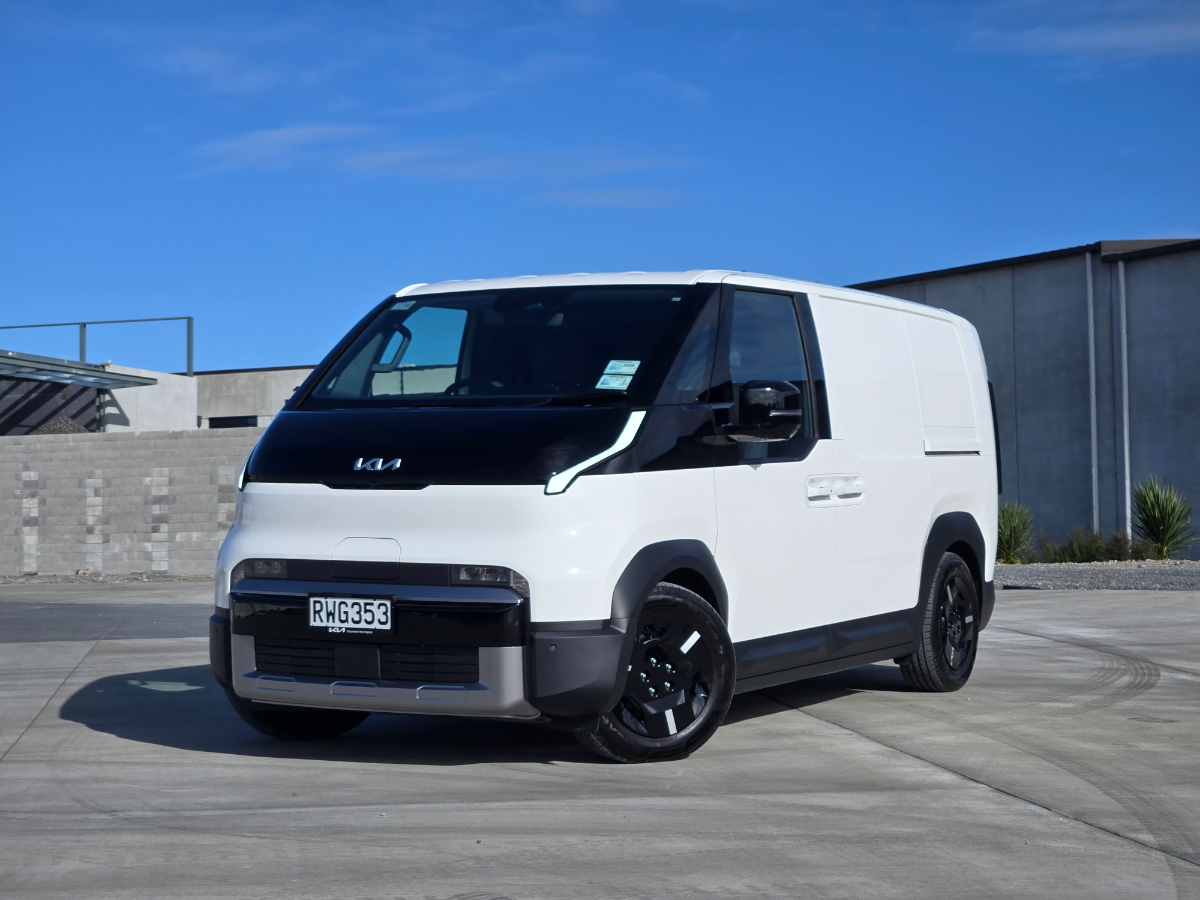
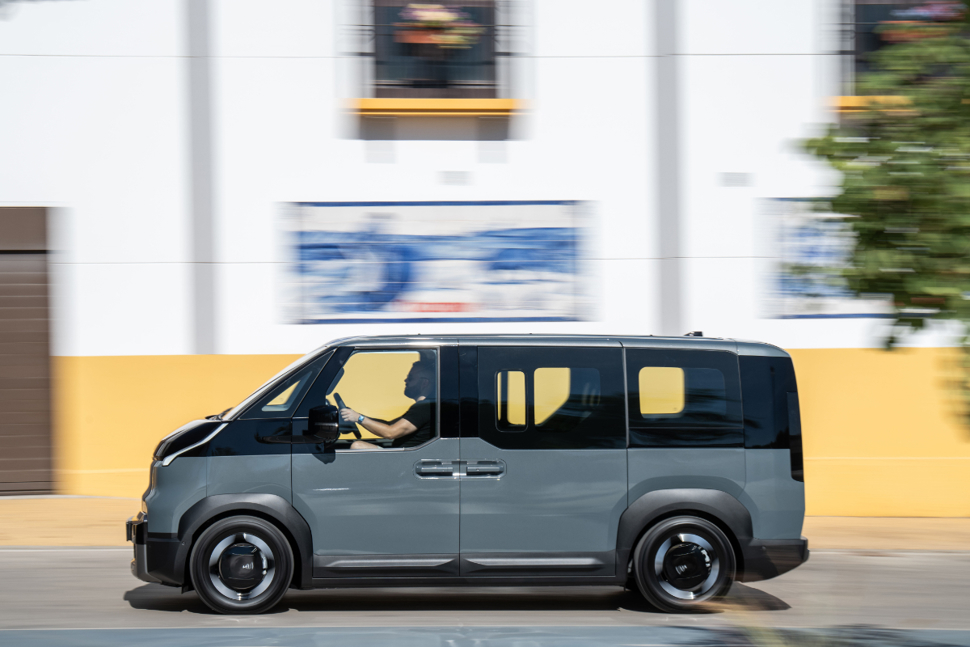
AUCKLAND – Kia New Zealand has launched the PV5, a modular electric commercial vehicle designed to shift fleet operations toward a lower total cost of ownership (TCO) and reduced carbon emissions.
The introduction of the PV5 marks a strategic pivot into the Purpose Built Vehicle (PBV) segment, utilizing a modular architecture to target last-mile logistics, mobile trade services, and government agencies with zero-emissions mandates. By decoupling the chassis from the vehicle’s upper body, Kia is attempting to move beyond traditional automotive manufacturing toward a service-oriented mobility model that aligns with New Zealand’s broader decarbonisation goals for the transport sector.
The vehicle is built on the E-GMP.S platform, a derivative of the Hyundai Motor Group electric architecture. The “.S” designation refers to “service,” allowing the platform to support a variety of configurations ranging from standard cargo vans to specialized mobile living or workspaces.
## Fleet Economics and TCO Analysis
Kia NZ is positioning the PV5 as a direct financial alternative to diesel light commercials. Using analysis tools from the Energy Efficiency and Conservation Authority (EECA), the company asserts that the higher initial capital expenditure of the electric PV5 is neutralized compared to diesel competitors, such as the Toyota Hiace, by the 30,000km mark.
That breakeven point matters for public-sector and corporate buyers operating under emissions-reduction plans and reporting regimes shaped by the government’s Emissions Reduction Plan and clean-transport policies, which increasingly favour low- and zero-emission fleet procurement.
The projected cost divergence increases as mileage accumulates:
| Metric | Diesel Competitor | Kia PV5 (EV) |
|---|---|---|
| TCO at 100,000km | $107,661 | $90,004 |
| Vehicle Warranty | Standard | 7-year / 150,000km |
| Battery Cover | N/A | 8-year / 160,000km |
| Service Intervals | Standard | 2 year / 30,000km |
While the TCO favours the EV over time, the final financial reckoning depends on residual values, which historically remain strong for diesel light commercials. For fleet managers answerable to boards, auditors and-in the public sector-Treasury and central agencies, that uncertainty around resale will remain a key variable alongside policy-driven emissions targets and operating budgets.
## Technical Specifications and Operational Capacity
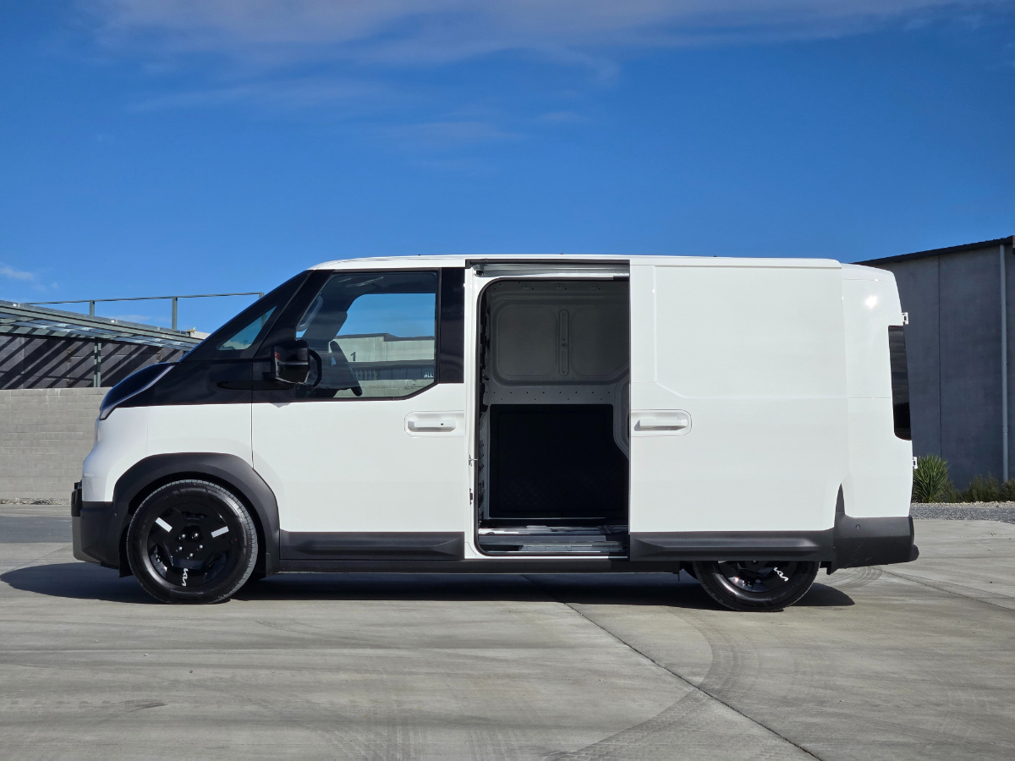
The New Zealand-specification PV5 is equipped with a 71.2kWh NMC battery and a single 120kW/250Nm motor, delivering a maximum WLTP-range of 416km. The vehicle’s design emphasizes accessibility, featuring a low step-in floor height of 419mm to speed up frequent entry and exit in courier and service roles.
Operational specifications include:
- Length: 4695mm
- Load Space: 4.42 cubic metres
- Payload: 765kg
- Towing Capacity: 750kg
- Charging: 150kW DC fast-charge; optional 22kW AC charging
The optional 22kW AC charging upgrade, priced at $2,000, is targeted at businesses with 3-phase power in depots or council facilities. This allows the vehicle to charge from 20% to 80% in approximately two hours on-site, reducing reliance on more expensive, publicly accessible DC infrastructure and giving fleet planners greater control over charging schedules and electricity tariffs.
## Modular Integration and Aftermarket Ecosystem
The PV5 strategy relies on “customer configuration,” allowing the vehicle to be adapted for specific industrial use-cases rather than sold as a one‑size‑fits‑all van. Kia NZ has established partnerships with aftermarket providers Camco, Auto Transform, and Sortimo to provide modular shelving, Molle mounts, and full-scale conversions.
The PV name denotes “platform beyond vehicle”, meaning it’s about more than just transportation.
Sortimo holds a global Conversion Partner Certificate from Kia, enabling high-level modifications to be engineered and warranted within the manufacturer’s framework. This ecosystem allows the vehicle to function as a mobile hub, supported by Vehicle-to-Load (V2L) capability that can power external equipment on-site-an attractive proposition for local authorities, utilities and contractors working away from fixed infrastructure.
## Market Positioning and Competition
The PV5 enters a market currently influenced by aggressive pricing from Chinese manufacturers and established European premium options. Geely’s Farizon V7E, priced at $55,990, currently holds a 44% share of the pure-electric van market in the region.
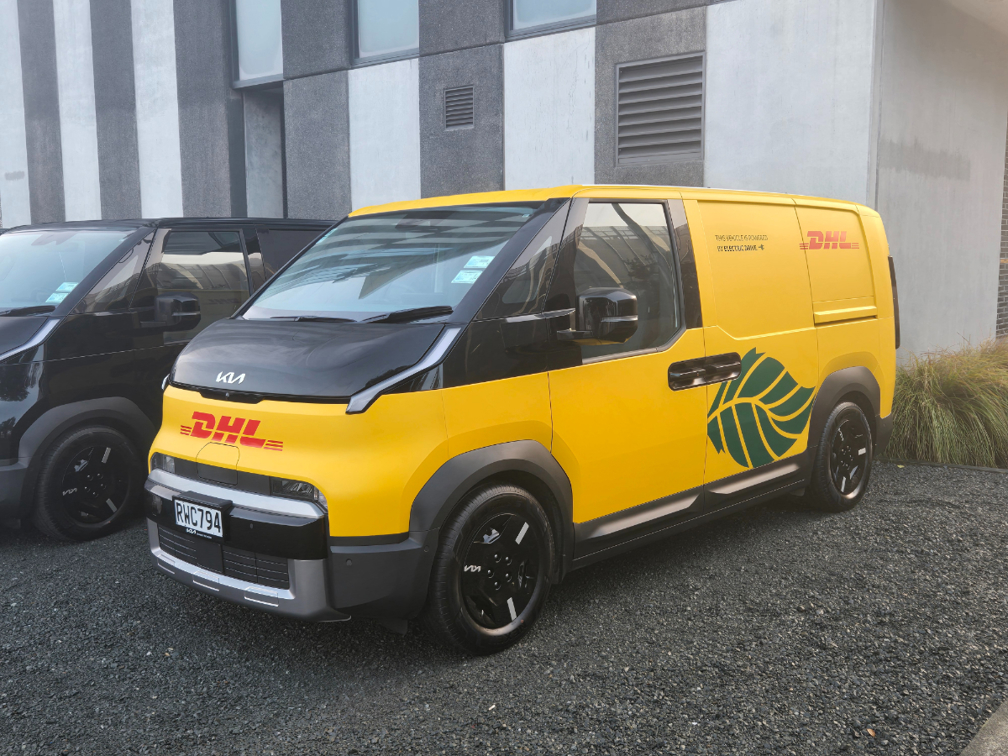
Higher-end competitors include the Volkswagen ID.Buzz at $99,990 and the electric Ford Transit Custom at $98,990. The base PV5 Cargo starts at $64,990 in Clear White, with optional colours costing an additional $1,500. For fleet orders of 50 units or more, Kia offers custom paint options, signalling a push for large-scale corporate and government contracts rather than purely small-business retail sales.
## Product Roadmap and Policy Alignment
Kia is utilizing the PV5 as the first step in a broader rollout of the PBV family. The modular nature of the assemblies allows Kia to create up to 16 variants from a limited number of components, giving fleet buyers a single electrified platform that can be specified for different departments or contracts.
The expanded rollout schedule includes:
- Late 2026: PV5 Passenger model with 2-2-3 seating, dual sliding doors, and a rear liftgate.
- Early 2027: High-roof Cargo model, adding 300mm in height and increasing load volume to 5.165 cubic metres.
- 2027: PV7 medium-sized Cargo and Passenger models (up to 5.3m length).
- 2029: PV9 large Cargo and Cab Chassis models (6m length).
Kia’s entry into the commercial EV space is now tied to the adoption of these modular platforms by EECA-supported fleet transition programs and the wider policy settings that favour low-emission transport, such as those underpinning the national Emissions Reduction Plan. With the PV9 scheduled for completion in 2029, the brand is effectively betting that institutional buyers will continue to shift procurement, infrastructure and regulation toward electric light commercials over the rest of the decade.
Keep reading
