
DUBLIN –
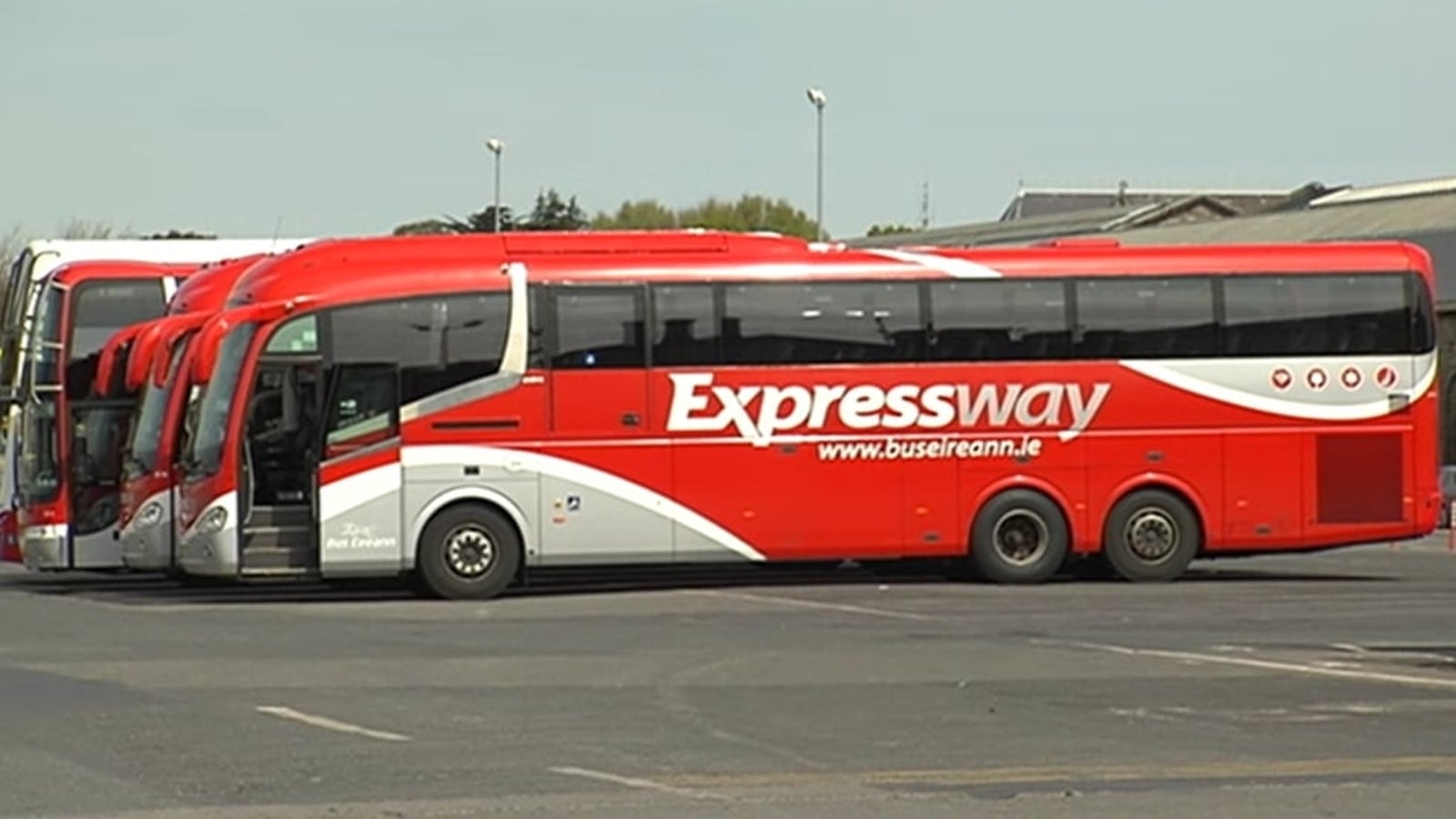
Bus Éireann will cease operating three Expressway intercity services from Sunday, 24 May, a move the operator says is driven by the “continuous significant losses being incurred” on those routes and is intended to consolidate its commercial Expressway network. The services scheduled for withdrawal are Waterford – Dublin/Dublin Airport (Route 4), the Rosslare/Wexford – Waterford segment of Route 40, and Ballina – Galway (Route 52). The National Transport Authority has been notified.
With 12 services daily, Bus Éireann previously described its Route 4 service as the “key” to the south east of the country; the Route 4 corridor also serves parts of Carlow and Kilkenny. The Route 40 service will cease calling at Rosslare Europort, Wexford town, New Ross and Ferrybank under the planned changes, while Route 40 will continue to operate between Waterford and Tralee. The Route 52 timetable currently provides six daily departures between Ballina and Galway and serves Foxford, Castlebar, Claremorris and Tuam. These service-level changes will take effect on 24 May.
Business impact and immediate operational steps
The operator said the affected services are operating at a sustained commercial loss and that the decision to withdraw them is a consolidation intended to protect the wider Expressway network and preserve capacity on remaining routes. A Bus Éireann spokesperson said Expressway is a “commercial service, which receives no State subvention.” The company also said staffing levels will not be impacted “given our current recruitment needs” and that “Any customer who has a pre-booked journey on any of the impacted services will be contacted and provided with a full refund.”
“The measures announced are in response to the continuous significant losses being incurred on these services.
“While disappointing, it is clearly unsustainable for a commercial operation.
“The decision to consolidate our Expressway network and withdraw from a small number of routes is aimed at safeguarding the Expressway network.
“Given the scale of our operations, there will be no impact on jobs given our current recruitment needs.
“Any customer who has a pre-booked journey on any of the impacted services will be contacted and provided with a full refund,” the spokesperson added.
In practical terms, the withdrawal will force timetable changes and re-ticketing on affected corridors in the weeks leading up to 24 May. Industry sources expect some passengers to switch to remaining Expressway services, Transport for Ireland-branded PSO routes or private operators where those exist, while others may face longer journey times or additional connections.
Corporate and financial context
Bus Éireann is a commercial state company and a wholly owned subsidiary of Córas Iompair Éireann (CIÉ), the State holding company for the principal public transport operators in Ireland; the CIÉ group characterises Expressway as the Group’s fully commercial intercity coach offering. The Expressway brand sits alongside Bus Éireann’s PSO bus operations and its national school transport scheme, each with distinct funding models and performance obligations.
The company’s latest published financial statements show the business operates at scale across several service types – public service obligation (PSO) contracts, school transport and commercial Expressway services – and reported group revenues and operating results that reflect mixed financial pressures across those divisions. Bus Éireann’s annual report for the year ended 31 December 2024 records revenue of €671.3 million and a deficit for the year of €4.2 million, while reporting 111.6 million passenger journeys across its services and 4.4 million Expressway passenger journeys in 2024. The annual report also lists 14 Expressway routes in operation in that reporting year.
The distinction between PSO-funded routes and commercial Expressway services is material for corporate planning and financial sustainability. Bus Éireann operates PSO routes under contract arrangements with State agencies, while Expressway runs on a commercial basis without direct State subvention – a separation that affects network decisions and remedial options where routes are loss-making. In practice, that means consistently underperforming Expressway routes can face curtailment or closure, whereas PSO routes are assessed against contracted public-service objectives and can be re-specified or re-tendered rather than simply withdrawn.
Regulatory framework and network governance
The National Transport Authority (NTA) is the statutory body responsible for planning, procuring and overseeing PSO public transport services across Ireland and is also the licensing authority for the commercial bus sector. Under the Public Transport Regulation Act 2009, the Authority’s remit covers network design and the procurement of PSO services under the Transport for Ireland brand; it does not directly subsidise commercial Expressway routes, which must operate on a stand-alone commercial basis within that framework. The NTA has been formally notified of Bus Éireann’s decision to withdraw the three Expressway services. (nationaltransport.ie)
Because the withdrawn services are commercial Expressway operations rather than PSO routes, the practical regulatory route for local or regional reinstatement would ordinarily involve either a commercial operator stepping in under licence or a separate procurement/PSO decision by the NTA. No such follow-up action has been specified by Bus Éireann in its announcement, and any move to designate replacement services as PSO would require a separate policy and budget decision by the Authority and the Department of Transport.
Operational geography and connectivity implications
The changes will remove direct Expressway calls at a number of towns and a major port stop on the east coast. The Route 40 segment affected currently includes Rosslare Europort in Co Wexford; under the planned changes, Rosslare Europort, Wexford town, New Ross and Ferrybank will no longer be served on that run from 24 May. The Route 4 corridor between Waterford and Dublin is a principal intercity link for the south-east and has been described by the company as a core daily service with 12 departures. The Route 52 withdrawal will remove six daily Expressway services linking Ballina and Galway and stops at Foxford, Castlebar, Claremorris and Tuam.
These adjustments change service availability on multiple regional corridors and will shift demand onto alternative public, private or rail connections where available. For Rosslare Europort, a strategic gateway for passenger and freight traffic, the withdrawal of a direct Expressway link narrows the range of intercity surface transport options and could increase reliance on connecting services. For towns in Mayo and Galway, the loss of a direct Ballina-Galway Expressway service may lengthen journey times to higher-order centres for work, education and health services, particularly at peak commuter hours.
Precedent and governance pressures
At group level, Bus Éireann has in recent reporting emphasised both the scale of its PSO operations and the separate commercial Expressway arm; annual reporting shows the group balancing network obligations under PSO contracts alongside commercial route economics. Financial statements disclose the company’s cumulative deficits and the inter-company arrangements that exist within the CIÉ Group, including support and shared-services arrangements. Those corporate structures frame both operational choices and the thresholds at which the operator identifies routes as unsustainable on a purely commercial basis.
The withdrawal of three intercity services, including a key port connection and a high-frequency south-east corridor, is likely to feature in future engagement between Bus Éireann, the NTA and the Department of Transport as they review the resilience of the national bus network, particularly outside the Dublin commuter belt. It also underscores the limits of relying on commercial operations to maintain connectivity on thinner regional corridors in the absence of explicit PSO designation.
Final business status: Bus Éireann will cease operating the specified Expressway services from Sunday, 24 May. Regulatory position: the National Transport Authority has been notified and remains the statutory planner and licensing authority for public and commercial bus services under Ireland’s public transport legislation. Market condition: the impacted services are operated under Bus Éireann’s commercial Expressway brand and, the company says, receive no State subvention. Confirmed next procedural step: customers with pre-booked journeys on the affected services will be contacted and issued full refunds.
For more on the CIÉ corporate group structure and its relationship with Bus Éireann and Expressway, see the company’s latest published corporate profile. For the regulator’s role and responsibilities, see the National Transport Authority’s statutory mandate as the public transport licensing and contracting authority. (cie.ie)
Related reading
