
LONDON –
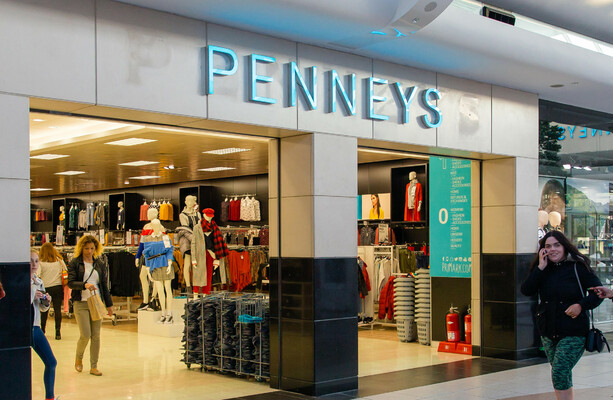
ABF, the London-listed group that owns value-fashion chain Penneys (Primark outside Ireland), is conducting a board review of its group structure that “may lead to the Board deciding to undertake a separation of the Primark and Food businesses.” The move follows a recent profit warning and signs that Primark’s growth has stalled, prompting the parent to examine whether a standalone listing could unlock shareholder value. (thejournal.ie)
The review has immediate market consequences: ABF’s retail division accounted for roughly half of group revenue in the 2025 financial year and the bulk of operating profits, but trading momentum has weakened, prompting investors to reassess the company’s valuation and strategic shape. Against a backdrop of subdued U.K. consumer spending and rising competition in value apparel, the question for markets is whether the current conglomerate structure is still the most efficient way to allocate capital across the group. (thejournal.ie)
Operational performance that is driving the review
Primark delivered about £9.5 billion of sales in ABF’s 2025 financial year, contributing roughly £1.1 billion of the group’s £1.7 billion operating profit. Those figures make the retailer the group’s largest single division, even as growth has slowed to a 1% revenue increase in 2025 and recent trading showed a 2.7% sales decline in the 16 weeks to January 2026. ABF has warned its 2026 profits would likely run below the 2025 level, sharpening scrutiny of Primark’s ability to reignite like-for-like growth while managing input-cost and wage inflation. (thejournal.ie)
Those trends have translated into immediate share-price reaction: ABF’s stock fell in the wake of the profit warning, reflecting investor concern about how slowing comparable sales and regional weaknesses – notably in continental Europe – will affect group earnings and cash generation. For a retailer that has historically relied on store expansion and high footfall rather than e‑commerce, the market setback also raises questions about how quickly Primark can adapt its model to more omnichannel competitors. (thejournal.ie)
“The Board of ABF has been conducting a review of the group structure. The outcome may lead to the Board deciding to undertake a separation of the Primark and Food businesses,” it said.
Why a separation is being considered
ABF’s portfolio is weighted toward food production and ingredients, while Primark is an out‑and‑out retail operator; that structural split has long complicated market appraisal of the combined group. Some investors factor a so‑called conglomerate discount into ABF’s valuation and see a potential re‑rating if the retail arm were able to trade independently, with its own equity story, peer set and targeted capital return policy. (thejournal.ie)
Board-level review activity at diversified groups typically centres on whether separate governance, capital allocation and reporting would produce clearer investor comparators and more focused management incentives. In ABF’s case, the parent’s longstanding ownership structure – controlled through Wittington Investments and linked to the Garfield Weston Foundation and the Weston family – means any material change will play out against an established shareholder framework that is used to taking long-horizon decisions. That set‑up offers stability for a complex transaction, but it also concentrates influence over whether and when a Primark separation actually proceeds. (wittington-investments.co.uk)
Market and sector realities shaping options
Primark’s model, built on in‑store scale and low-price sourcing, grew rapidly over the last decade through store openings and higher selling space. That foundation has also made Primark more sensitive to shifts in discretionary spending patterns for low‑price apparel and to increased competition from online fast‑fashion platforms that can react quickly to trends and price points. The recent trading weakness in parts of Europe and the mixed performance across geographies are central to the board’s calculus as it weighs whether Primark might be better positioned to respond as a standalone listed retailer. (thejournal.ie)
Davy Stockbrokers described the situation as one where the business’s “growth model continues to generate limited traction,” adding that it sees “limited near-term catalysts for recovery, with earnings momentum likely to remain challenged as growth pressures appear increasingly structural.” That assessment underscores why the structural review is not only a portfolio exercise but also a signal to the wider sector about how traditional bricks‑and‑mortar discounters intend to compete with digital‑first fashion players. (thejournal.ie)
Governance, listing mechanics and stakeholder implications
Separation options in practice range from a full demerger and independent listing to a partial spin‑off or equalisation of reporting and capital allocation inside the existing group. Any route would require formal board approvals and close engagement with the controlling shareholder structure; regulatory filings and timing constraints for a London listing would factor into transaction design and sequencing, under the oversight of the U.K. listing and disclosure regime. The review is being conducted at board level with engagement from the group’s largest shareholders, whose appetite for a cleaner equity story will be pivotal in determining the chosen structure. (thejournal.ie)
The family‑controlled ownership model means strategic decisions can be taken with long-term orientation, but it also concentrates the executing authority for a separation process. That ownership posture will influence governance arrangements for any newly independent entity and for the residual food business, including board composition, dividend policy and the balance between reinvestment and shareholder returns. Policymakers and regulators, meanwhile, will be alert to potential implications for jobs, supply chains and investment in U.K. and EU manufacturing sites if capital allocation priorities shift following any separation. (wittington-investments.co.uk)
Near-term operational focus and investor signal
ABF’s public financial reporting shows Primark remains a significant cash generator despite the slowdown; management and the board will need to weigh near-term trading recovery plans – such as merchandising changes, targeted price investment and disciplined cost control – against the possible value uplift from structural separation. For debt investors and credit rating agencies, the way cash flows are divided between a pure-play Primark entity and a refocused food and ingredients group will be a key indicator of future balance-sheet resilience. (thejournal.ie)
Shareholders and markets will watch for clarity on the review’s timetable and any commitment to a specific structural outcome. Until then, the process itself serves as a public signal that ABF is prepared to revisit long-standing assumptions about its shape, governance and use of capital at a time when London’s equity market is under pressure to retain and attract large consumer listings. (thejournal.ie)
Associated British Foods is the parent group under review and Primark is the fast-fashion chain at the centre of the consideration; further details on the company and the retailer are available from corporate disclosures and company statements. The board review of the group structure is ongoing and the next confirmed procedural step is continued board-level assessment and shareholder consultation under the existing governance process. (abf.co.uk)
Keep reading
