
The Genetic Architecture of Feline Taste
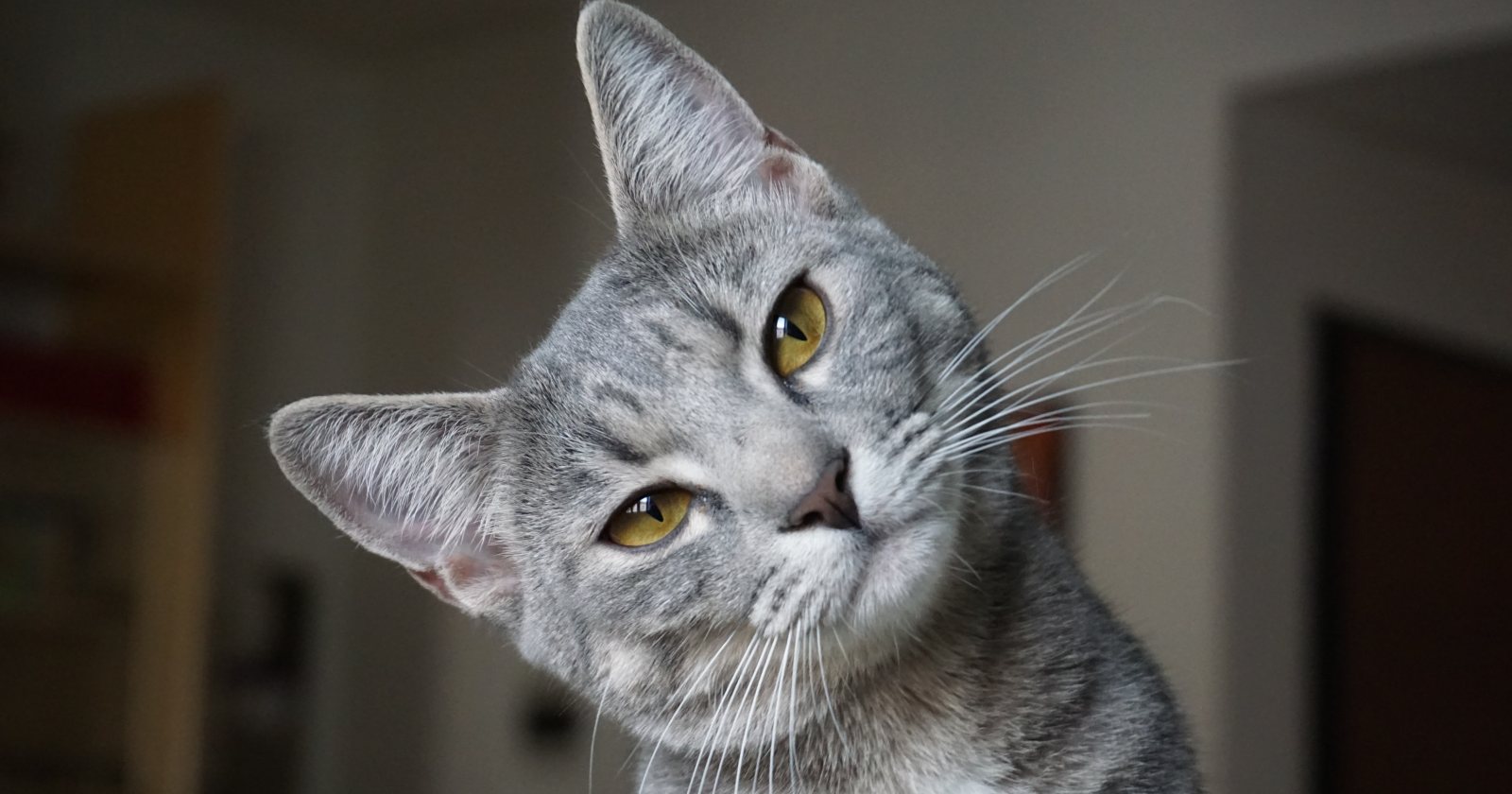
The sensory experience of a cat is governed by a specific genetic blueprint that diverges sharply from most other mammals. While humans and dogs utilize a complex system of receptors to identify sugars, cats possess a biological void in this area. This is not a matter of preference or behavior, but a structural failure at the genomic level involving the Tas1r2 gene.
The mammalian sweet receptor operates as a dimer, requiring two distinct protein subunits-T1R2 and T1R3-to assemble correctly on the taste cell membrane. If either component is missing or malformed, the system cannot detect sweet compounds. In felines, while the Tas1r3 gene remains intact, the Tas1r2 gene has undergone a catastrophic failure. A 247-base-pair deletion in a critical exon, alongside various disabling mutations, ensures the gene is never translated into a working protein.
This genetic state transforms the gene into a “pseudogene,” effectively a piece of biological dead code that persists in the genome without performing a function. Because there is no messenger RNA or protein produced in the taste buds, a cat is functionally blind to the presence of sugar.
Evolutionary Pruning and Metabolic Cost
The loss of sweet taste is an example of evolutionary efficiency. In biological systems, maintaining complex protein receptors requires metabolic energy. For ancestors that transitioned into obligate carnivores, the ability to detect carbohydrates-which are nearly absent in animal tissue-provided zero survival advantage.
When a trait no longer confers a benefit, the selective pressure to maintain the underlying genetic sequence vanishes. This allows random mutations to accumulate without penalty. Over tens of millions of years, this process stripped the felid lineage of its sweet-sensing capabilities, long before the emergence of modern domestic cats or tigers.
| Species Type | Tas1r2 Status | Tas1r3 Status | Sweet Perception |
|---|---|---|---|
| Omnivore (Human/Dog) | Functional | Functional | Full Perception |
| Obligate Carnivore (Cat) | Pseudogene (Broken) | Functional | None |
| Specialized Carnivore (Sea Lion) | Pseudogene (Broken) | Functional | None |
| Herbivorous Carnivoran (Bear) | Functional | Functional | Full Perception |
Convergent Genomic Loss in Carnivores
The breakdown of the Tas1r2 gene is not isolated to the cat family. Similar genomic deletions have occurred independently across various carnivorous lineages, a phenomenon detailed in the research paper “Major taste loss in carnivorous mammals.” This suggests that whenever a mammalian species commits fully to a meat-based diet, the sweet receptor is systematically phased out.
Analysis of several species reveals that this loss happened through different mutations in different locations within the gene, proving that these animals did not inherit the trait from a common ancestor but evolved it separately. Species exhibiting this loss include:
- California sea lion
- Southern fur seal
- Pacific harbor seal
- Asian small-clawed otter
- Spotted hyena
- Fossa
- Banded linsang
The disparity is evident when comparing the Asian small-clawed otter, which lacks a functional Tas1r2, to the spectacled bear. Despite both belonging to the order Carnivora, the bear’s predominantly herbivorous diet has preserved its sweet receptors, allowing it to prefer sugars and non-caloric sweeteners.
Sensory Specialization, Regulation and Market Implications
While the sweet modality is absent, felines have optimized other sensory pathways. They maintain highly functional receptors for salty, sour, and bitter tastes. Of particular importance is the umami receptor, which is tuned to detect the amino acids found in protein-rich animal tissues. This system allows cats to distinguish high-quality meat from non-meat sources, serving as the primary driver for food selection.
This biological reality has direct implications for the industrial production and oversight of pet food. The addition of sucrose or high-fructose corn syrup to commercial cat food does not enhance palatability, as the animals cannot perceive the sweetness. Yet such additives can still affect caloric load, obesity risk and dental health-issues that increasingly shape labelling rules and nutritional standards set by regulators and industry bodies. In the United States, for example, ingredient panels, nutrient profiles and health claims in cat food are framed within guidance from the Food and Drug Administration’s animal food regulatory framework, which is slowly being pressured by veterinarians and consumer advocates to reflect species-specific sensory biology more explicitly.
Any interest a cat shows in sugary human foods, such as ice cream, is a response to the fat or protein content rather than the sugar itself. That distinction matters to policymakers and corporate compliance teams designing front-of-pack disclosures, marketing restrictions and veterinary public-health campaigns: what reads to a human as an indulgent “treat” is processed by a cat’s nervous system as a source of fat and amino acids, not sweetness.
The genetic evidence, including the findings in “Pseudogenization of a Sweet-Receptor Gene Accounts for Cats’ Indifference toward Sugar,” confirms that sugar is essentially sensory noise to a feline. The signal that triggers a reward response in humans is, for the cat, biologically nonexistent.
Further exploration into these carnivorous taste losses, such as the work synthesized by the US National Institutes of Health in its open-access genetics resources, highlights the precision of genomic adaptation, where the removal of useless data is just as critical to survival as the acquisition of new traits. For regulators and industry strategists, that science is no longer an abstract curiosity: it is gradually becoming a design constraint for how we formulate, label and govern the foods we feed the world’s companion animals.
Keep reading
