
“A whole pre-season”: Ballygunner stare down 11-week gap to keep Munster drive alive
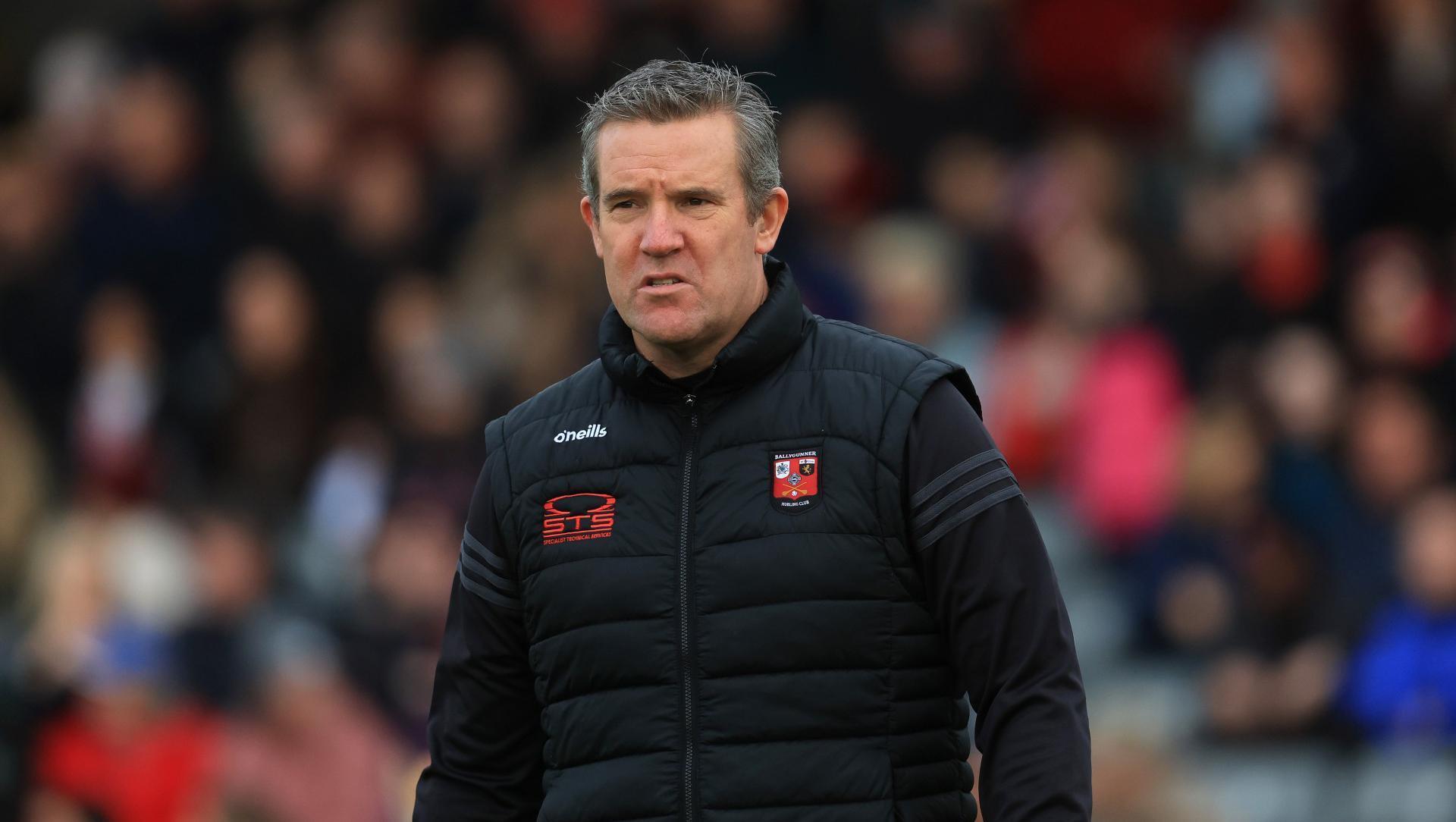
Ballygunner may have bridged another yawning gap between county and provincial hurling, but manager Jason Ryan admitted this 11-week margin, their longest yet, was “nightmarish”.
The All-Ireland club champions have made something of an art form of negotiating eight-week layoffs between domestic and provincial action in recent seasons. This time, though, the former Wexford football manager found the extended break particularly testing as he tried to keep an already battle-hardened squad sharp for the next phase of knockout hurling.
Managing an 11-week layoff
Ryan did not hide his frustration at both the concession of a second-half goal to Oisín O’Reilly and the challenge of sustaining elite standards across nearly three months without competitive action.
“The goal we let in was soft,” he said of O’Reilly’s second-half strike. “We’ll look back and think we shouldn’t have done this, or we shouldn’t have done that. But overall today was about putting in a good enough performance to win the game, so we achieved that.
“But the 11-week gap is nightmarish, getting fellas ready and right and everything. So, being right and being able to win that game is just fabulous.
“It’s a whole pre-season. You’re starting all over again, so it’s massive. I think the 11 weeks is longer than what the Waterford championship was. It’s a big gap.”
In the structure of the Irish club season, county championships feed directly into the provincial series under the jurisdiction of the Gaelic Athletic Association. That means county winners such as Ballygunner can face significant down time before reappearing on the provincial stage, especially in seasons where local competitions conclude early.
Internal competition as competitive edge
If the calendar tested management, Ballygunner defender Ronan Power underlined that the squad leaned heavily on internal standards to maintain intensity.
Power praised Ryan and his backroom team for setting the tone across the 11-week window. “Ever since I’ve been playing, it’s been the same thing year in out since 2021,” he said, pointing to a now-established pattern of navigating long gaps between trophies and the next campaign.
With challenge matches difficult to secure so late in the year, the club’s depth became a structural advantage.
“It’s hard to get challenge matches this time of the year so in fairness to Jason and the lads, we’re lucky that we have the strength of the panel that we do and those A versus B games have been driving us on.”
Having a fully-fledged second senior panel in the form of Ballygunner B for in-house games, Power added, has turned training into a key competitive asset rather than just conditioning work.
“When you have another 15 lads that have played competitive senior hurling, that’s massive and the confidence it gives them that they can compete at senior and they’re driving us on. If you took the foot off the pedal for a training session, you’d be quickly found out.”
This kind of internal competition matters at provincial and All-Ireland level, where club sides must be able to restart quickly after long breaks and still match opponents coming out of fresher county campaigns.
Veteran spine still setting the standards
It is 17 years since Stephen O’Keeffe and Pauric Mahony played in their first Munster club final, and Ryan was keen to highlight what that kind of longevity means in a dressing room still competing at the top end of the club game.
“It’s incredible. Just incredible. As people and the drive and desire they have, it takes up so much time but they love it and they’re incredible competitors,” he said.
For teammates like Power, the presence of that core group is more than a reassuring backdrop: it is a daily challenge to match their standards while there is still a window to do so together.
Power admitted the chance to keep playing alongside the likes of O’Keeffe and Mahony is a significant motivation. “We get to go back training Tuesday or Wednesday.
“The best days we have are going away in the Munster club, I know today was at home but I’d nearly rather the away games and heading up on the bus leaving Ballygunner at nine or ten o’clock and getting a coffee on the way, that’s what keeps us going is spending time together.
“There’s lads getting older within the group and we’re going to try make the most of it while we can.”
Balancing structures, schedules and standards
Ballygunner’s experience shines a light on a broader structural tension in elite club hurling: a calendar that can leave champions idle for extended periods, yet still demands peak performance when the provincial and All-Ireland series resume.
The 11-week break Ryan described as “a whole pre-season” effectively forced the Waterford champions to reset conditioning, rebuild match sharpness and sustain motivation without the regular benchmarks of competitive fixtures.
Within that environment, three elements stand out:
- Depth of panel: A second senior team (Ballygunner B) allows high-quality A v B games to replicate match tempo.
- Continuity of core leaders: Long-serving figures such as O’Keeffe and Mahony provide a cultural anchor through repeated runs at county, provincial and national honours.
- Adaptation to calendar realities: Since 2021, Ballygunner’s players and staff have operated with an expectation of long gaps and structured their training blocks accordingly.
For international readers less familiar with the Irish club structure, Ballygunner’s situation illustrates how success deep into the season often depends as much on how teams handle the spaces between big games as on what happens once the ball is thrown in. In a system where the governing body sets fixed windows for county, provincial and All-Ireland stages, clubs must find their own solutions to keep edges honed.
For now, Ryan and his players have once again managed to bridge that divide. The next challenge is ensuring that an 11-week “pre-season” translates into another sustained run in Munster and beyond, before this veteran group runs out of time to chase more silverware together.
Worth a look
