
Neuer and Olise Return to Bayern Training as Injury Picture Slowly Clears
At midday on Monday, Bayern Munich received a double boost at Säbener Straße as both Manuel Neuer and Michael Olise rejoined full team training, offering some relief in a period marked by fitness setbacks.
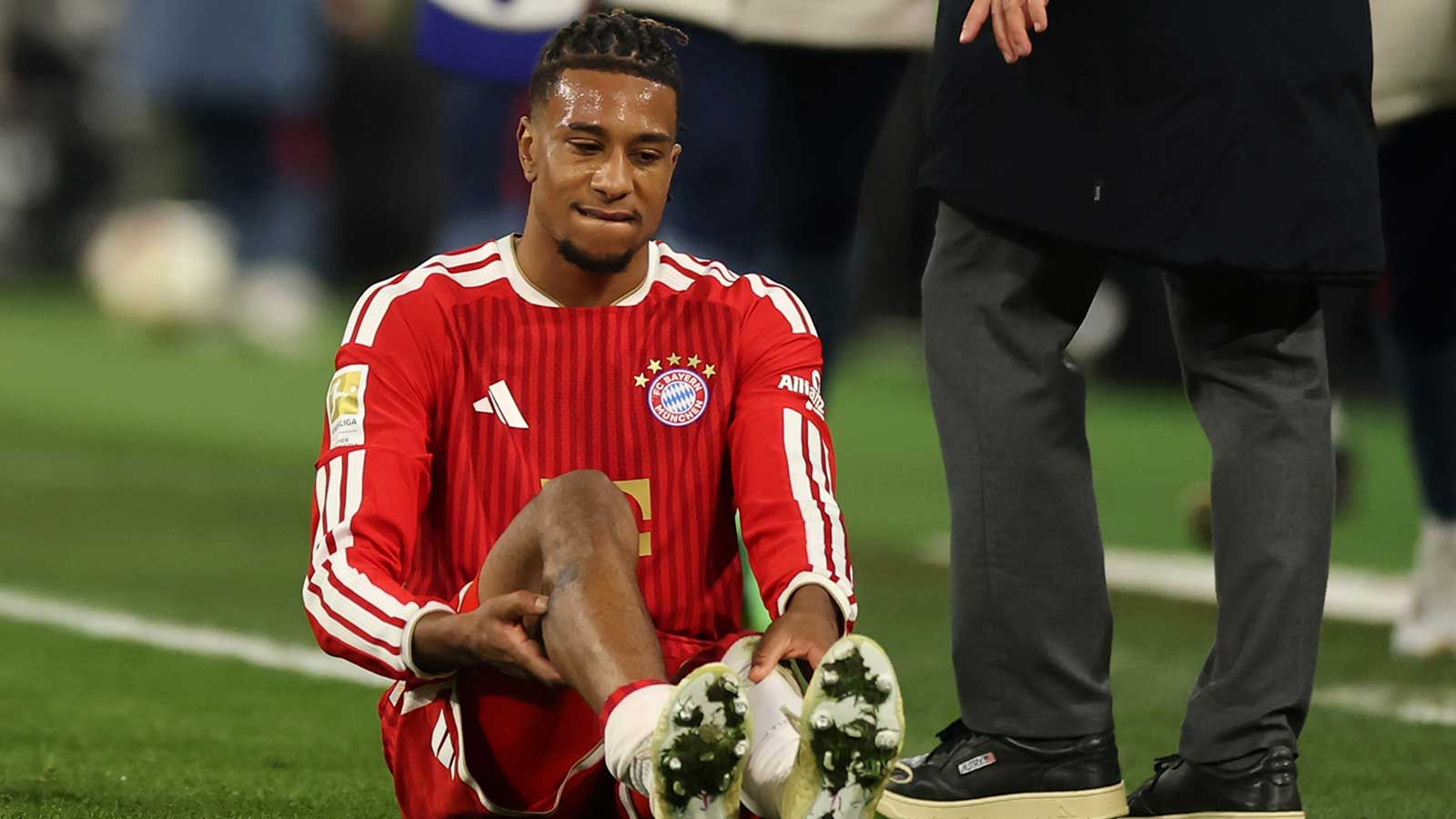
Neuer had missed Bayern’s recent matches with a foot injury, while Olise trained with a bandage on his left knee. The attacking midfielder had gone off injured in the closing stages of Saturday’s 2-2 draw with Borussia Dortmund and later left the arena limping, raising initial concerns over his availability for upcoming fixtures.
Injuries Shape Bayern’s Trip to Madrid
Despite the positive signs from Neuer and Olise, Bayern will travel to Madrid without several key attacking and creative options. The club will definitely be missing Luis Díaz, Jamal Musiala, Serge Gnabry and Ismael Saibari for the match in the Spanish capital.
Saibari, a Morocco international, underwent surgery on Sunday for a tear of the syndesmosis ligament in his right ankle. The midfielder is not expected to be fit to play again until the new year, removing a versatile option from Bayern’s midfield rotation at a time when fixture congestion intensifies in both domestic and European competition. Gnabry, meanwhile, suffered a muscle injury in his left thigh in the match against Dortmund, further limiting Bayern’s wide attacking depth.
With several creative players unavailable, Bayern’s tactical choices in Madrid will likely hinge on how well returning players such as Neuer and, fitness permitting, Olise can reintegrate. The goalkeeping position is central not only to shot-stopping but also to Bayern’s build-up play, while Olise’s ability to operate between the lines adds variation in attack that becomes even more valuable when other forwards are sidelined.
Rehabilitation Milestones After the International Break
There is, however, a broader indication that Bayern’s personnel situation may gradually improve as the calendar year progresses. After the international break, the club’s medical and performance staff expect a slightly more stable picture, with several players moving from treatment rooms back onto the training ground.
On Monday, Luis Díaz completed his first individual session with the ball since tearing a muscle bundle in his left thigh during the 2-2 Champions League draw against FC Arsenal on 22 October. That session represents a crucial phase in his return-to-play protocol, where straight-line running and controlled ball work typically precede reintroduction to full-contact team training.
Jamal Musiala has reached a similar stage in his recovery. He also completed his first individual ball session after suffering a muscle fibre tear while on duty with the national team in late September. For Bayern, Musiala’s progress is particularly significant: his ability to connect midfield and attack has been central to their recent tactical identity in both domestic league play and the UEFA Champions League, governed by UEFA’s competition regulations.
Squad Management Under Fixture Pressure
The timing of these injuries and returns is shaped by a demanding schedule that includes league commitments, European knockout ambitions and the complications of international duty. For an elite club like Bayern, managing minutes around international breaks has become an institutional priority, with clubs and national teams working within predefined FIFA release windows that influence training loads and recovery planning.
Short-term absences, such as Gnabry’s thigh problem, can force tactical adjustments on the flanks, while longer-term injuries like Saibari’s ankle ligament tear alter medium-term squad planning. In this context, the gradual reintroduction of Díaz and Musiala to ball work is not just a medical milestone but a competitive one, affecting rotation options and the balance between experienced starters and emerging players across multiple competitions.
Outlook for the Remainder of the Year
While Bayern will be stretched in Madrid, the broader trend after the international break is cautiously positive. The club expects its squad depth to improve for the matches through to the end of the year, provided Neuer and Olise react well to their return to full training and Díaz and Musiala continue to progress without setbacks in their individual programmes.
For Bayern’s coaching staff, the coming weeks will be a test of squad management as much as pure tactics: integrating returning players at the right pace, compensating for those ruled out until the new year, and sustaining performance levels in a season shaped by dense scheduling and tight margins at the top of European football. In that context, every successful step on the training pitches of Säbener Straße carries direct implications for how Bayern can line up and compete on some of the biggest stages in the game.
Related reading
- Ciara Mageean and Thomas Moran: A Partnership of Athletic Excellence and Resilience
- Kangaroos Face Rising Challenges as Rugby League World Cup Semi-Finals Loom
- Bellingham Explains Mourinho’s Talk with Real Madrid Players (archyde.com)
- Trump endorses embattled Netanyahu ahead of Israeli election (globallypulse.com)
