

‘Training Partner for Life’: How Thomas Moran Has Helped Shape Ciara Mageean’s Career On and Off the Track
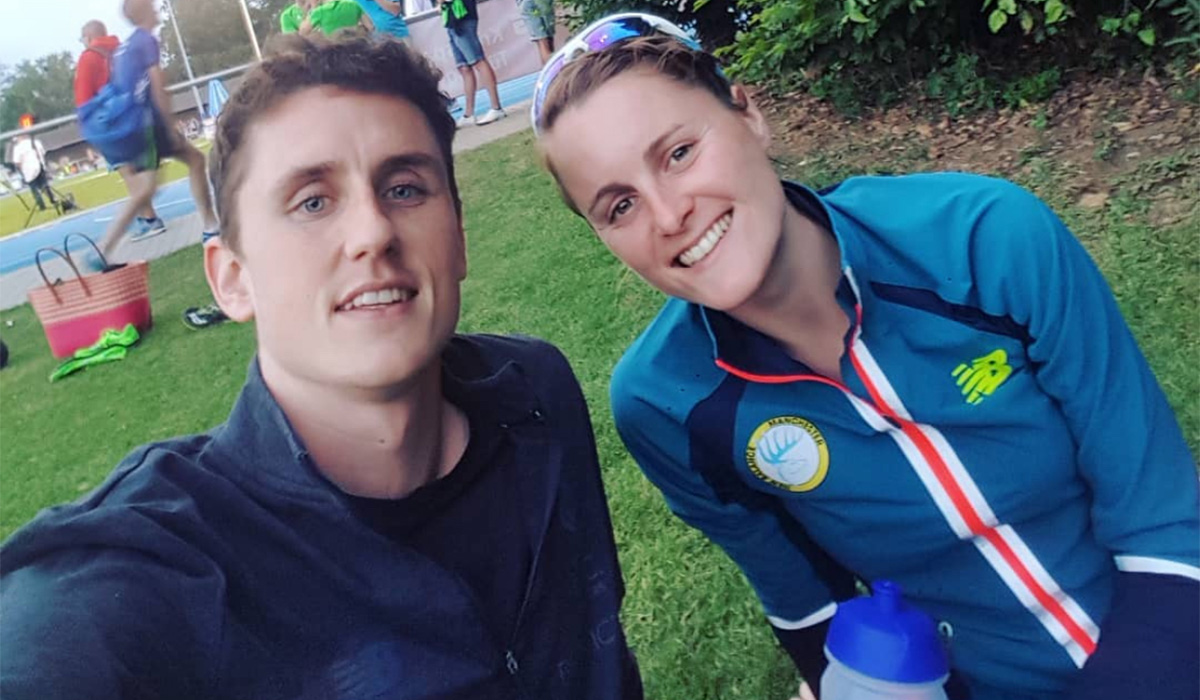
Irish middle-distance star Ciara Mageean has long credited her partner, fellow runner Thomas Moran, as a central influence on her success on the track and a constant source of support away from it.
Since revealing a stage four bowel cancer diagnosis in 2025, Mageean has spoken openly about how Moran has remained her “rock” through the most challenging period of her life, reinforcing how elite performance and personal resilience are often built on the same foundations.
Their story offers a rare, detailed look at the role a trusted training partner and life partner can play in sustaining an athlete through Olympic cycles, major championships and serious illness.

Shared Track Roots at University Level
Mageean and Moran met while studying at University College Dublin, where both were heavily involved in athletics. Moran raced over 1500m on the track and claimed the Griffith Avenue Mile title in 2019, experience that would later prove invaluable as he helped Mageean navigate the tactical demands of elite middle-distance running.
Over time, Moran moved from being simply a fellow student-athlete to becoming one of Mageean’s regular training partners. His role has included pacing duties in sessions and providing the everyday structure that underpins an elite schedule built around key championships under the global rules and calendar set by World Athletics.
That shared technical background matters at the sharp end of international middle-distance running, where fine margins in training volume, pace judgment and recovery can determine whether an athlete reaches a global final or misses out.

Logistical Sacrifice and Daily Support
Mageean has described how fully she commits her life to athletics, and how Moran has structured his own life around that commitment. She has spoken about him relocating to Manchester to be with her when her training base moved, recognising that her career path meant she was unlikely to return to Ireland full-time.
For a middle-distance runner working through multiple competition phases-national meets, European events and global championships-such support is more than symbolic. A partner willing to follow coaching setups, adjust work schedules and live around training blocks can be the difference between sustaining high performance through a full Olympic cycle and burning out under pressure.
That willingness to “go the extra mile” has been visible beyond training. When Mageean missed her university graduation in 2017 because she was competing, Moran and friends organised a surprise ceremony, complete with cap, gown and her carefully stored script. It was a small, improvised rite of passage, but it underlined how often elite athletes sacrifice traditional milestones in service of their careers-and how close circles step in to protect a sense of normal life.

Handling Olympic Disappointment Together

Mageean has also detailed how central Moran was when injury derailed her Olympic ambitions. After hurting her ankle, she faced the decision to withdraw from the Games-one of the most brutal calls any athlete can make given the four-year Olympic cycle and the limited windows to compete at that level.
She recalled sitting beside a river with Moran as she came to terms with the decision, describing how she broke down in tears as the reality of pulling out took hold. For a middle-distance runner whose entire training cycle is structured around peaking for a specific championship period, that sort of setback can be career-defining. Having a partner embedded in the sport’s demands allowed her to process the disappointment with someone who understood both the emotional toll and the professional implications.

Cancer Diagnosis and a Different Kind of Fight
In July 2025, Mageean announced that she had been diagnosed with stage four bowel cancer and that treatment had already begun. In a personal message, she stressed how grateful she was to be surrounded by the support of family and close friends, and framed her response to the illness as another contest, saying she was ready to face it with the same fight she had always shown on the track.
She later described how deeply the diagnosis affected Moran. Not naturally prone to tears, he took time off work and the couple spent days together simply crying as they processed the news. For an athlete used to controlling variables-training loads, competition schedules, travel-cancer represents a stark confrontation with uncertainty, and partners often become de facto carers and advocates alongside their emotional role.
The impact of serious illness on an elite career is multifaceted: treatment schedules compete with training, energy levels fluctuate, and long-term planning for championships gives way to short-term medical timelines. Mageean’s comments highlight how Moran’s presence helped her navigate not only the emotional shock but also the shift from season-by-season sporting goals to managing her health.
From Long-Term Partners to Engagement

Moran proposed over Christmas 2024 after more than a decade together, with Mageean announcing the engagement in January 2025. She described saying yes as the “easiest question” she had ever been asked and referred to him as her “training partner for life,” language that underlined how fully their relationship is intertwined with her identity as an athlete.
She later explained that the proposal had been delayed several times. Moran had bought a ring in Switzerland and initially planned to propose there, but Mageean was going through a difficult spell. He then considered asking the question in France after the Olympics in Paris, once they had time together after competition, but those plans also fell through. Even on the eventual day of the proposal, he had hoped to get down on one knee by the River Shannon, only for poor weather to force a change of setting before he finally asked.
Those repeated postponements reflect how elite competition calendars and health challenges can shape even the most personal decisions for top athletes. Engagements, holidays and family planning are often fitted around training blocks, major championships and, in Mageean’s case, treatment cycles.
Planning a Wedding Under the Shadow of Illness
As treatment continued, Mageean said the couple accelerated their wedding plans. She has been candid about fearing she may not reach her 40th birthday and has spoken of her concern at the thought of Moran becoming a widower.
She has described wanting their wedding to feel “normal” rather than being dominated by illness-specifically not wishing to be extremely underweight or confined to a hospital bed on the day. She has also used humour in conversations with Moran, telling him he “can’t move on too fast” if she dies, saying it helped her cope with the genuine worry of leaving him alone.
For many elite athletes facing serious health conditions, such conversations sit alongside more familiar performance discussions with coaches and medical staff. Questions about future racing plans, potential returns to championship-level competition and long-term health management all intersect with private decisions about marriage and family life.
Making It Official in Belfast
Mageean and Moran were married in Belfast in October 2026, formalising a relationship that had already spanned university athletics, international championships and life-altering medical news.
They marked the day by toasting with Champagne in front of a Mercedes-Benz at the Harland & Wolff shipyard, beside Titanic Belfast, a landmark backdrop with strong symbolism in Northern Irish public life. Mageean chose a short, vintage-inspired wrap dress with an A-line skirt that finished above the knee, pairing it with a short veil in a half-up, half-down hairstyle and a leather jacket that gave the look a relaxed, modern edge befitting an active, high-profile athlete.

The couple then hosted a second celebration at Darver Castle in Co Louth “just last weekend,” as Mageean put it, emphasising that they had no intention of skipping the larger party. She described an “incredible day” at the venue, surrounded by “the most amazing people.”
For the second event, Mageean changed into a long, flowing gown with spaghetti straps and a cowl neckline-a more traditional bridal silhouette that contrasted with her Belfast mini-dress and underlined the dual nature of their celebrations: intimate city ceremony, followed by a more expansive gathering.
In performance terms, the timing of the weddings reflects a deliberate decision to prioritise personal milestones alongside training and treatment. For an athlete whose life has been governed by race calendars and qualification windows, that rebalancing speaks to a broader shift in how many elite competitors now think about career arcs, wellbeing and life beyond the track.
A Partnership That Extends Beyond Results
For international audiences, Mageean and Moran’s story illustrates how elite middle-distance running increasingly depends not only on coaching, sports science and federation structures, but also on the stability provided by close personal relationships.
From university tracks in Dublin to major championship arenas, through Olympic disappointment and a life-changing diagnosis, Moran has been more than a spectator. He has been a pace-setter in training, a logistical anchor across moves and competitions, an emotional constant in crisis, and now a husband as they confront an uncertain future together.
In an era when athletes are more open about the human realities behind medals and records, their partnership stands as a reminder that the margins that decide careers at the highest level are often shaped as much in private-on riverbanks, in hospital waiting rooms and at improvised graduations-as they are in stadiums.
Worth a look
