
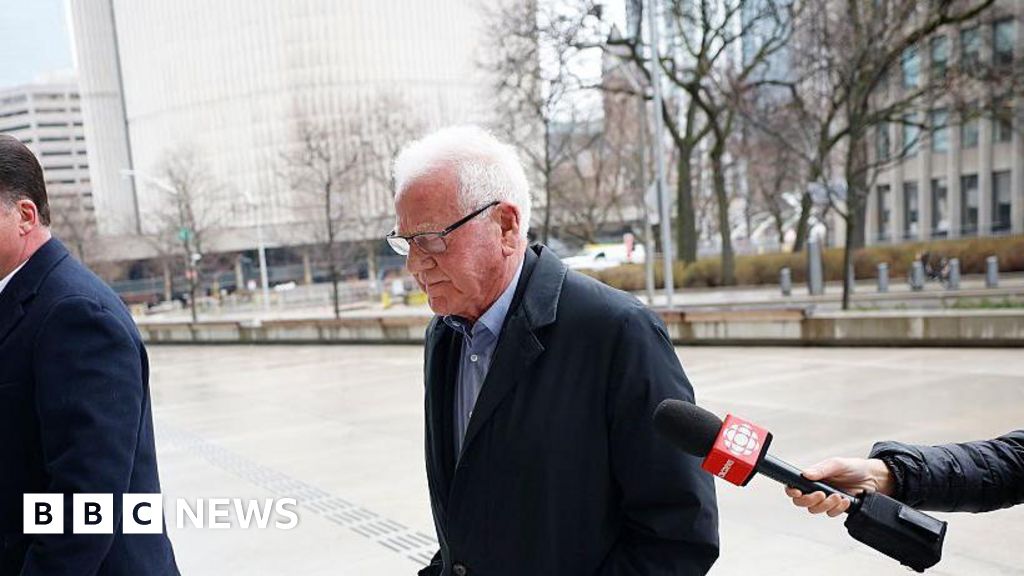
Racing braces for legal spotlight as Frank Stronach faces trial in Canada
Frank Stronach, the Austrian‑Canadian billionaire whose name has been synonymous with North American thoroughbred racing for decades, is facing a criminal sexual assault trial in Canada. Stronach has denied the allegations, which have not been proven in court, and the proceedings are expected to test how a traditionally close‑knit industry responds when one of its most visible figures is drawn into a high‑stakes legal process.
A towering influence on the sport
Beyond building a global auto‑parts fortune, Stronach became one of the most influential private investors in horse racing. Through companies he founded or shaped, the Stronach name has been attached to major U.S. venues and marquee race days, and to extensive breeding and training operations that helped set the tempo of winter and spring racing on both coasts. That footprint means developments in his case are being watched not only in Canada but across racing jurisdictions in the United States and beyond, particularly where his family interests remain involved in track ownership, management or branding.
For stakeholders, the case lands at a time when racing is already under pressure to demonstrate modern standards around workplace conduct, athlete and animal welfare, and corporate oversight. Industry sources say boards and regulators are likely to examine not just the allegations themselves but also what the response signals about governance norms in a sport that has long relied on powerful owner‑operators.
Operational impact and governance
Day‑to‑day racetrack operations are typically managed by corporate leadership teams and regulated at the jurisdictional level. In Ontario, racetracks and participants are licensed and overseen by the Alcohol and Gaming Commission of Ontario, which sets wagering, licensing and integrity frameworks for the province’s horse racing industry. In the United States, regulation is shared across state commissions and the federal Horseracing Integrity and Safety Authority, which is rolling out national safety and anti‑doping rules alongside existing state oversight.
As a result, legal proceedings involving an individual figure-even a prominent one-do not automatically alter race dates, purse schedules or licensing status; any change would require formal action from regulators or corporate boards based on their own thresholds, evidentiary standards and codes of conduct. Where an individual holds an officer, director or key employee role, regulators can also review whether disclosure, suitability and “fit and proper person” requirements are being met, but such reviews typically move on a separate track from the criminal courts.
Commercial and competitive considerations
While no event calendars have been changed as a direct result of the case, stakeholders are assessing secondary effects that can ripple through a season:
- Sponsorship and hospitality: High‑profile legal proceedings can prompt brand due diligence around on‑site activations, naming rights and premium seating programs, potentially influencing short‑term hospitality sales or the tone of new commercial negotiations.
- Breeding and sales windows: Consignors and breeders often plan matings, yearling prep and sales entries months in advance; perceived stability at major training centers and farms helps protect those timelines and supports valuations at bloodstock auctions.
- Broadcast and wagering: Track operators and tote partners aim to ensure uninterrupted broadcast and wagering product, particularly around televised winter meets and the spring build‑up to the classics, where even brief uncertainty can affect betting handle and media coverage.
Insiders note that much of the immediate commercial risk lies not in formal sanctions but in reputational calculations-how broadcasters, betting platforms and hospitality partners weigh association with a sport figure facing serious allegations, and whether they seek additional assurances from corporate entities connected to his legacy.
What industry leaders are watching
Executives, regulators and horsemen’s groups will focus on three practical questions as the trial proceeds: whether any licensing determinations are required in relevant jurisdictions; whether corporate governance structures around racetrack and breeding entities need adjustment to insulate operations from individual legal risk; and whether sponsors or media partners seek changes to existing agreements, including morality clauses or enhanced disclosure.
Absent formal directives, racing programs are expected to continue under existing schedules, with operational teams prioritizing participant safety, wagering integrity and customer experience. However, senior officials say the case is likely to feature in boardroom risk registers, succession planning discussions and future policy debates about how racing’s governing frameworks address personal conduct by controlling minds or influential shareholders.
For an international sport accustomed to balancing tradition with modern compliance standards, the case underscores how off‑track developments can intersect with governance and commercial planning-shaping how decisions are made in stewards’ rooms, boardrooms and regulatory hearings-without, by themselves, deciding who breaks from the gate when the starter calls the next field to order.
Worth a look
