
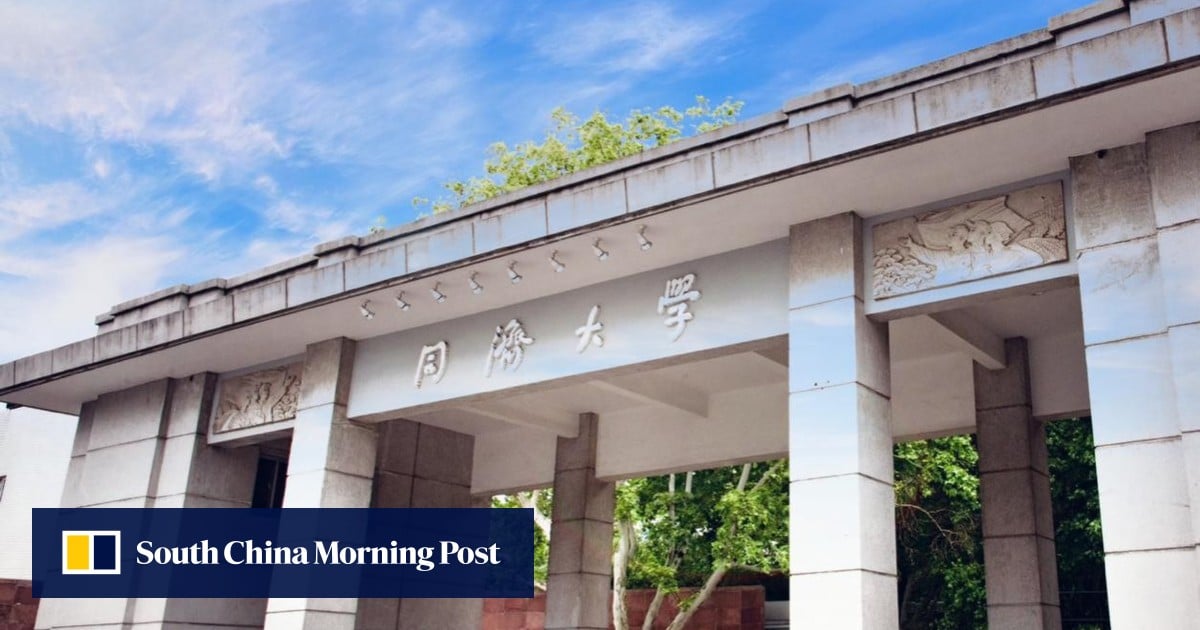
The sudden passing of Sun Fanglin at age 58 marks a significant loss for the field of translational medicine. As the director of the Advanced Institute of Translational Medicine at Tongji University in Shanghai and the former dean of its School of Life Sciences and Technology, Sun operated at the critical junction where fundamental biological discovery meets clinical application. His work unfolded as governments, including China’s National Health Commission and regulators aligned with frameworks such as the International Council for Harmonisation of Technical Requirements for Pharmaceuticals for Human Use, were pushing for faster but safer pathways to bring innovative therapies from the lab to the clinic.
Epigenetic Regulation and Cellular Aging
Sun’s primary scientific contribution centered on the complex mechanisms of gene regulation and epigenetics. Unlike genetic mutations, which alter the DNA sequence itself, epigenetic changes involve chemical modifications that dictate whether specific genes are turned on or off. This process is heavily influenced by environmental factors and cellular behavior, directly impacting how cells age and the likelihood of malignant transformation.
By decoding these regulatory switches, Sun provided deeper insights into why certain cells bypass natural senescence-the process of biological aging-to become immortalized tumor cells. His role as chief scientist for several national research programmes underscores the strategic importance of this research within the broader infrastructure of biotechnology and public health, where national funding priorities increasingly treat epigenetic targets as critical assets in cancer control strategies.
Reversing Resistance in Targeted Oncology
A persistent failure point in modern cancer treatment is the development of acquired resistance, where tumors evolve to neutralize the effects of targeted drugs. This adaptive survival mechanism often renders initially successful treatments ineffective, leading to relapse and placing additional strain on health systems that must then resort to costlier or more toxic options.
Sun’s research team achieved a global milestone by identifying the biological pathways that allow tumors to resist these targeted interventions. More importantly, they discovered how to reverse this process, effectively stripping the tumor of its defense mechanisms and restoring drug sensitivity. For policymakers and hospital decision-makers, this line of work points toward oncology protocols that could extend the useful life of existing drugs, potentially lowering overall treatment costs and reducing the need for repeated rounds of experimental therapies.
| Treatment Approach | Primary Mechanism | Typical Failure Risk | Sun Fanglin’s Contribution |
|---|---|---|---|
| Traditional Chemotherapy | Cytotoxic attack on all rapidly dividing cells | High systemic toxicity and broad resistance | Shift toward precision regulation of cellular responses |
| Targeted Therapy | Blocking specific proteins/mutations | Adaptive mutation and pathway bypass | Reversing the epigenetic and signaling pathways of resistance |
| Cell Therapies | Engineering immune cells to target tumors | Poor infiltration and immunosuppression | Providing the theoretical framework for more durable design |
The Framework for Next-Generation Cell Therapies
The implications of Sun’s work extend beyond drug discovery into the realm of translational medicine, where laboratory findings are systematically converted into patient therapies under increasingly structured ethical and regulatory oversight. His discovery of pathways to reverse drug resistance “provided a core theoretical framework for cell therapies and the development of new anti-tumour drugs”, informing how trial protocols are designed and how regulators evaluate risk-benefit profiles for first-in-human studies.
This framework is essential for the advancement of CAR-T cell therapies and other engineered immune responses. By understanding the epigenetic landscape of the tumor microenvironment, researchers can now better design cells that are not only capable of identifying cancer but are also resilient against the tumor’s attempts to shut them down-an attribute that health authorities and hospital review boards weigh heavily when approving complex, high-cost interventions.
- Systemic Impact: Accelerates the timeline from bench-side research to clinical trials, supporting national and regional cancer plans that depend on a predictable pipeline of novel therapies.
- Infrastructure Influence: Guides the development of high-throughput screening platforms for epigenetic markers, shaping investment decisions at major research universities and state-backed innovation hubs.
- Therapeutic Reach: Opens new avenues for treating refractory cancers that had previously exhausted all targeted options, informing reimbursement debates and long-term planning in oncology services.
In a field where scientific discovery, regulatory scrutiny and public health priorities increasingly intersect, Sun Fanglin’s legacy will continue to influence not only how cancer is studied in the laboratory, but how future therapies are evaluated, approved and delivered to patients worldwide.
Related reading
- Quantum Networking Milestones: How Quantum Key Distribution (QKD) Testbeds Are Moving to Financial Hubs in 2026
- The Rise of Specialized Small Language Models (SLMs) in Enterprise On-Premise Deployments
- Flu and COVID-19 Vaccinations for Blood Cancer: Why They Matter This Autumn (archyde.com)
- Pope Leo to leave hospital Saturday following lung cancer surgery (globallypulse.com)
