

HONG KONG – The Hong Kong hospitality and leisure sector is seeing a strategic expansion of specialized international dining concepts, marked by the entry of high-profile European brands into the Wan Chai and Central districts.
These developments reflect a broader industry trend toward “experiential” dining, where technical specialization and transparency in production are utilized to differentiate brands within a competitive urban market. The openings also align with Hong Kong’s post-pandemic push to restore visitor footfall and retail traffic under the government’s tourism and hospitality initiatives, which sit within the city’s Basic Law framework for maintaining its status as an international hub.
Global Scaling of Neapolitan Concepts
World-champion pizzaiolo Vincenzo Capuano has expanded his operational footprint to Wan Chai, adding to a global portfolio of more than 40 restaurants. Capuano is introducing his “Nuvola” pizza, a product defined by a specific dough-fermentation process designed to create an airy, cloud-like texture.
The service model incorporates a specific ritual involving the use of “golden” scissors to divide the pizza at the table, a method intended to preserve the structural integrity and lightness of the base while turning the slicing into part of the theatre of the meal. The establishment is located at Shop G04-05, G/F, Lee Tung Avenue, 200 Queen’s Road East, Wan Chai, a pedestrianised retail precinct that has become a test bed for experience-led international concepts.
Market Entry of Portuguese Artisanal Production
Lisbon-based Manteigaria has entered the Central market, bringing authentic Portuguese pastéis de nata to a region where such specialties have historically been concentrated in Macau. Its arrival underscores how Central is evolving from a purely financial district into a mixed-use neighbourhood where food-led retail is used to extend dwell time for office workers and tourists.
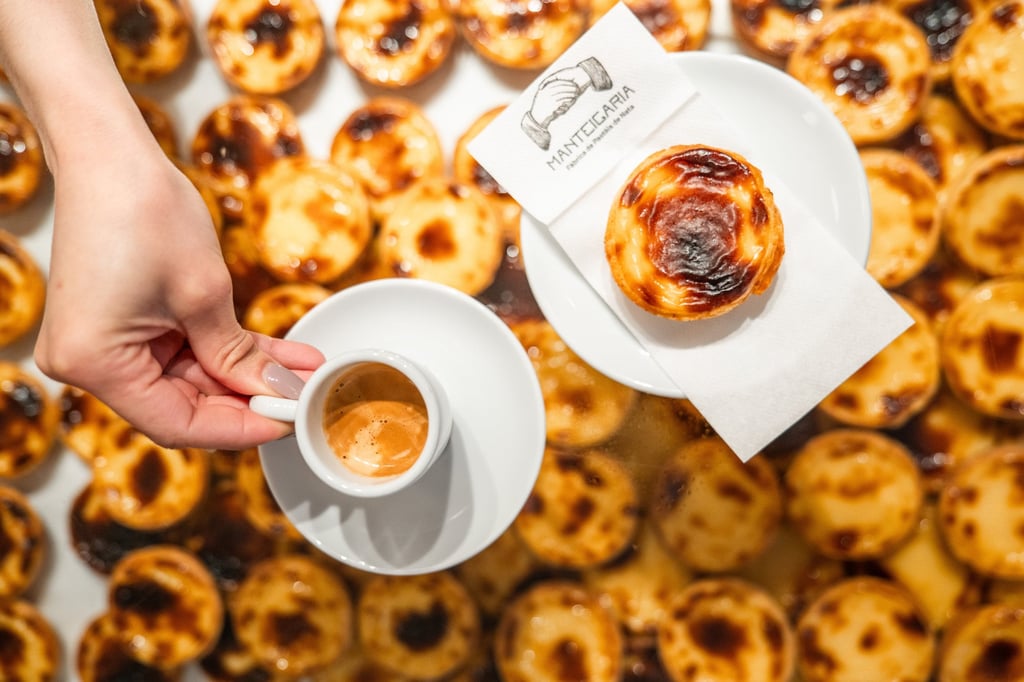
The brand utilizes an open-kitchen architectural layout to allow customers to observe the artisanal creation process, a design choice that mirrors broader industry moves toward visible supply chains and food-safety reassurance. Operational alerts for fresh batches of the caramelized custard tarts are signaled by a bell, encouraging impulse purchases and repeat traffic throughout the day. The outlet is situated at Shop B, G/F, Man Hing Commercial Building, 79 Queen’s Road Central, Central.
Hospitality Integration and Design Partnerships
Nina Hotel Causeway Bay has launched Parkside@Nina CWB, a casual dining destination located near Victoria Park. The venue represents a melding of Asian and Western cuisines, featuring a menu that includes morel mushroom risotto, king prawn with miso butter, and smoked salmon in mini cones. For hotel operators, such hybrid menus are increasingly used to appeal simultaneously to local residents, staycation guests and returning international travellers under Hong Kong’s tourism recovery strategy.
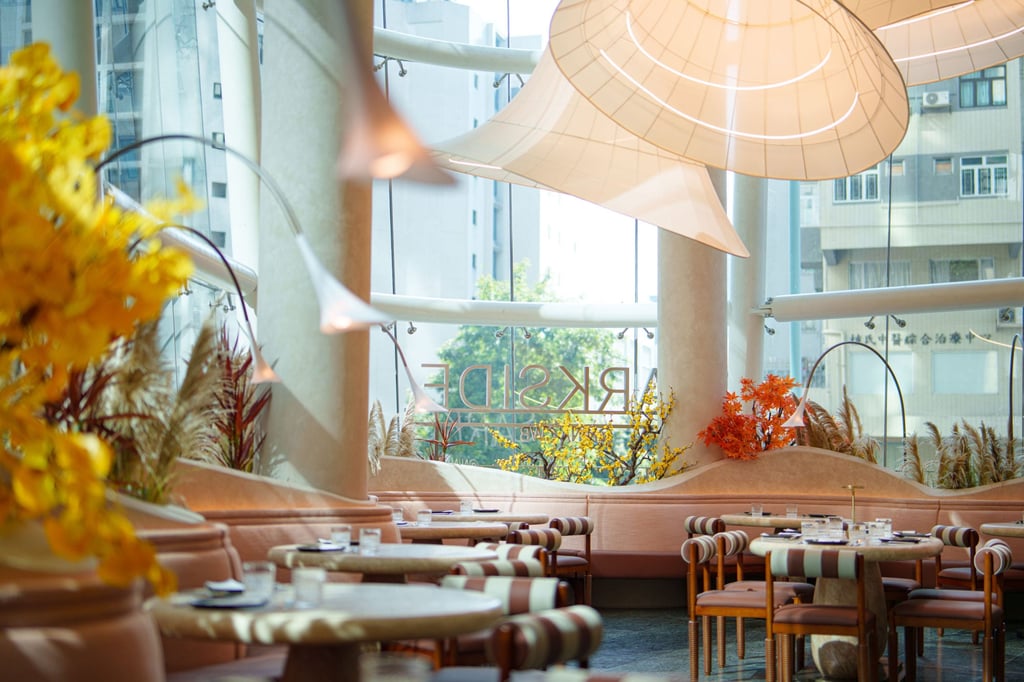
The interior was developed by the design firm Atelier E, which implemented botanical silhouettes and sculptural inspirations in the venue’s aesthetic, positioning the restaurant as an all-day social space as well as a dining room. Such collaborations between hotel groups and external designers are becoming more common in Hong Kong as operators respond to tighter margins, shifting consumer expectations and evolving building-safety and accessibility codes overseen by the city’s development and licensing authorities.
Collectively, the three openings illustrate how global brands and local hotel operators are using high-visibility design, open production and menu innovation to compete for footfall in core districts while staying aligned with Hong Kong’s regulated standards for food safety, building use and tourism development. Operational status: All three venues are currently open for business at their respective Hong Kong locations.