
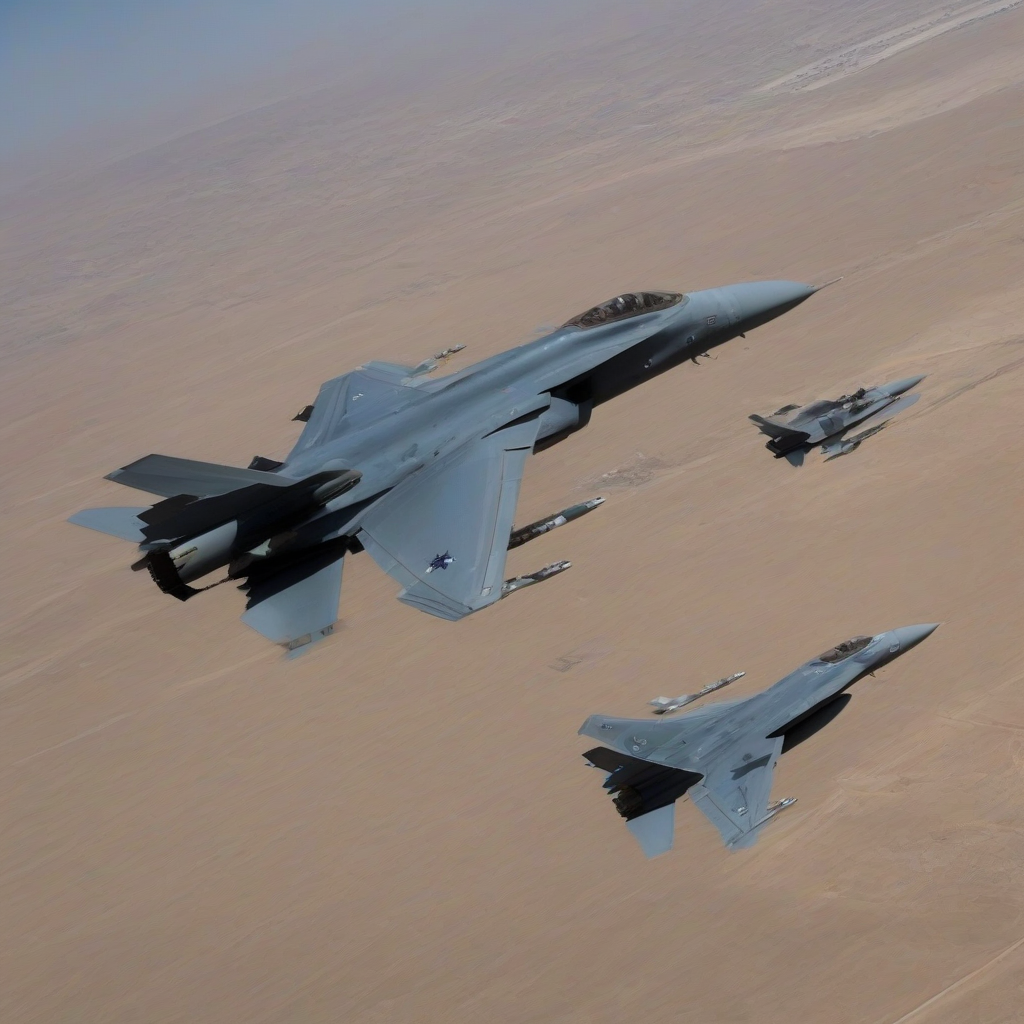
WASHINGTON – US Central Command (CENTCOM) launched a seventh consecutive night of military strikes against Iran on July 17, 2026, prompting a warning from a senior Iranian military adviser that Tehran is prepared to initiate a full-scale offensive if the attacks persist.
The operation, which began at 19:00 GMT on Friday, represents a significant escalation in a week of intensifying hostilities. The strikes are part of a broader US strategy to dismantle Iranian military infrastructure across multiple provinces.
CENTCOM Operations and Strategic Targets
In a statement published on X, CENTCOM confirmed the strikes were “designed to continue degrading Iranian military capabilities at the Commander in Chief’s direction,” underscoring that the campaign is being conducted under the existing US law-of-war framework and the President’s authorities as commander in chief. CENTCOM, one of the Pentagon’s unified combatant commands responsible for 20 countries spanning the Middle East, Central and South Asia, and surrounding waterways, has been at the core of US military operations in the region for decades.
The military operation utilized a combined force of warships, aerial drones, and fighter aircraft. According to official reports, the US targeted the following categories of infrastructure:
- Surveillance and early-warning sites
- Military logistics and command infrastructure
- Underground weapons storage facilities
- Maritime capabilities, including assets tied to coastal operations
The strikes were distributed across several strategic locations, including Jask, Sirik, Bushehr, Bandar Abbas, Qeshm Island, Ahvaz, and Yazd – areas that collectively touch key shipping lanes, energy hubs, and internal supply routes vital to Iran’s security posture.
US officials have not publicly detailed the specific legal basis for this latest round of strikes, but operations of this type are typically justified under the President’s Article II authorities and, where applicable, longstanding congressional authorizations for the use of military force. The broader command structure and area of responsibility for CENTCOM is formally defined in the US military’s unified command plan, and the combatant command itself is established and overseen under the statutory framework of Title 10 of the US Code governing armed forces.
Casualties and Impact Within Iran
Iranian state media reported widespread explosions across the country during the early hours of Saturday, July 18. In central Iran, the state news agency IRNA reported five explosions in Yazd. Additionally, state television confirmed three explosions in the southern city of Sirik, while the Mehr news agency reported blasts across several southern provinces.
The human toll has risen as the campaign continues:
- At least three people were killed and eight others wounded in attacks in Hormozgan province, which borders the Strait of Hormuz.
- Iranian officials stated that previous attacks on the night of Thursday into Friday resulted in eight deaths.
Tehran has accused Washington of committing war crimes and targeting civilian infrastructure. Iranian state media has released footage showing significant damage to railway lines and bridges in the southern region of the country. None of these claims have been independently verified, and US officials have insisted that target selection is being conducted under the laws of armed conflict, with an emphasis on minimizing civilian casualties.
Iranian Retaliation and Regional Fallout
Iran has responded by targeting assets it claims are linked to the United States across the Gulf region, signaling a broader contest that now extends far beyond Iranian territory. The Islamic Revolutionary Guard Corps (IRGC) reported striking a US unmanned aerial vehicle (UAV) depot in Bahrain on Friday evening, though Washington has not independently confirmed this hit.
The Iranian military further claimed via the Tasnim news agency that missiles targeted the Sheikh Isa airbase in Bahrain, specifically hitting fuel tanks, parking areas, and aircraft hangars. Iran alleged the base was used to coordinate operations against its territory; the US has not confirmed these claims and regional officials have released limited on-the-record information.
Other regional impacts include:
- Jordan: The Jordanian military reported that air defenses intercepted and downed 10 Iranian missiles on Saturday morning. No casualties or damage were reported, in what officials framed as a demonstration of the country’s integrated air-defense posture and coordination with partners.
- Bahrain: Warning sirens were activated four times in several hours, leading the Ministry of Interior to instruct residents to seek safe shelter and follow official guidance as air-defense systems engaged incoming threats.
- Kuwait: The Ministry of Electricity, Water and Renewable Energy announced that an Iranian strike hit a power and water plant. The attack damaged numerous electricity generation units and caused a fire, leading authorities to urge residents to ration electricity and brace for possible rolling outages.
Collectively, these strikes and counterstrikes are testing regional security architectures that have been reinforced in recent years through bilateral defense agreements with the United States and other Western partners. Gulf governments are now weighing additional emergency measures, from civil-defense drills to potential restrictions on airspace and port operations, as they assess the risk of further Iranian action.
Critical Infrastructure and Global Shipping Risks
The targeting of water and power facilities has raised alarms regarding the humanitarian stability of the Gulf states. These nations rely heavily on desalination plants, which account for roughly 40 percent of global desalinated water production and are often co-located with power-generation sites along vulnerable coastlines. Military analysts note that sustained attacks on these facilities could create catastrophic economic and humanitarian conditions within days, disrupting drinking water supplies, hospital operations, and industrial output.
Beyond infrastructure on land, there are growing concerns regarding the Bab al-Mandeb Strait and other maritime chokepoints, including the Strait of Hormuz. Colonel Abbas Dahouk, a former senior military adviser for Middle East affairs at the US State Department, stated that any effort by Iran or its Houthi allies to disrupt shipping through the Bab al-Mandeb would be a “serious escalation,” given its role as a critical corridor for global energy and container traffic connecting the Red Sea to the Gulf of Aden.
“If it is disrupted, then definitely it will increase pressure not only in the region, but also on the international markets and the United States as well,” Dahouk said, warning that prolonged interference could quickly translate into higher energy prices, insurance premiums, and supply-chain delays.
Diplomats in several capitals are now openly discussing contingency planning with shipping companies and port authorities, including potential rerouting, naval escorts, and new risk assessments for commercial vessels transiting through contested waters.
Ultimatum from Tehran
Major-General Mohsen Rezaei, an adviser to Iran’s supreme leader, issued a stark warning on Friday, stating that Tehran is moving beyond the phase of military deterrence.
“Iran will no longer limit itself to retaliatory, like-for-like responses … and no political border will be safe,”
Rezaei said, according to the Iranian news agency IRIB.
Rezaei asserted that Washington’s strategy of “war and negotiation” has failed and warned that Tehran is ready to resume “full-scale offensive operations” if US strikes continue for another two to three days. He described this upcoming phase as one of “offence and complete destruction.”
The remarks, which go beyond Iran’s usual calibrated rhetoric about proportional retaliation, are being closely parsed by Western and regional officials looking for signs of whether Tehran intends to widen the conflict or use the threat of escalation as leverage in any back-channel diplomacy.
US State Department Travel Advisory and Policy Signals
As regional tensions escalate, the US State Department has urged American citizens to reconsider travel to and through the Middle East, using its travel advisory system as a key tool of crisis management and public communication. The advisory, issued under the department’s global consular mandate and aligned with its standardized four-level risk scale, serves as both a practical warning to travelers and an indirect signal of Washington’s assessment of the security environment.
In a statement posted on X, the department described the security environment as “complex with the potential for unforeseen escalation.” The advisory instructs citizens to monitor developments closely and coordinate with airlines before flying, while reminding those already in the region of the “continued need for caution.” Officials have also urged Americans to enroll in the Smart Traveler Enrollment Program, enabling embassies and consulates to push security updates directly as the situation evolves.
While military operations are being directed by CENTCOM within the legally defined framework of US combatant commands, the diplomatic and consular response is being shaped by civilian agencies and codified procedures – from travel advisories to potential evacuation planning – that together reflect how Washington is attempting to manage the crisis at both the strategic and citizen level.
